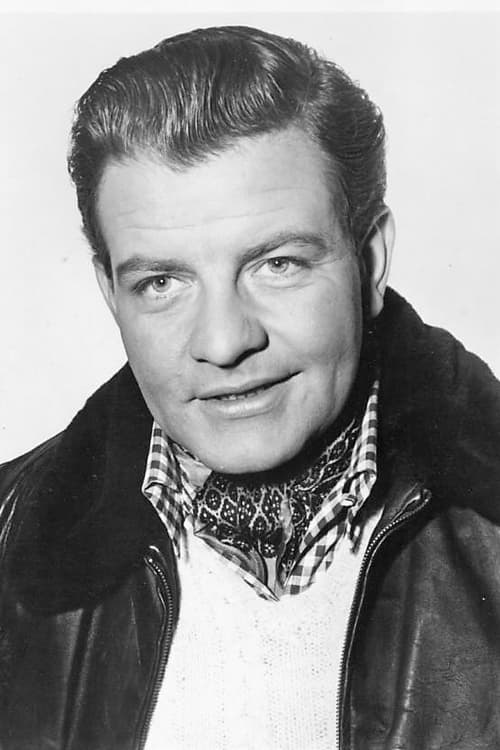
Sean McClory
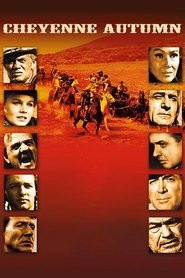
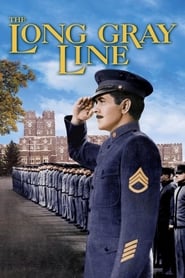
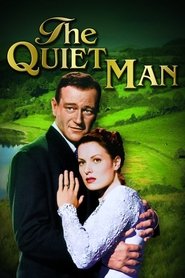
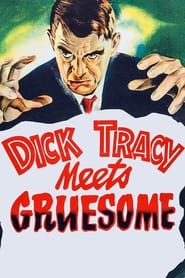
Sean McClory was born in Dublin, Ireland, but spent his early life in Galway. He was the son of Hugh Patrick, an architect and civil engineer, and Mary Margaret Ball, who had been a model. Sean decided to become an actor and joined Dublin's renowned Abbey Theater (also known as the National Theater of Ireland, opened in 1904). He rose through the ranks playing in productions of the works of such authors as William Butler Yeats and George Bernard Shaw, and soon began to play leads mostly in comedies (popular through most of the 1940s and into the 1950s). When comedies began to fade from the theater after World War II, McClory turned an eye toward film. In early 1947 he decided to make the jump to America and break into Hollywood. His first roles were that of a staple in American films: the Irish cop, which he played in two of the Dick Tracy series in 1947. In 1949 he signed a short contract with 20th Century-Fox. By 1950 he was showing up in more notable films - though uncredited, particularly in The Glass Menagerie (1950). Within a year McClory's talents were being showcased in various small feature roles. John Ford finally began casting - a painstaking process for the finicky director - for his long conceived The Quiet Man (1952) and chose McClory for a small but showy part, in which he was seen throughout the film feature with Charles B. Fitzsimons, the younger brother of the film's star, Maureen O'Hara, playing an Irish villager. Although some of the cast were familiar members of the "John Ford Stock Company", many roles were filled by actual Irish villagers (the film was shot on location) and included a generous helping of Abbey Theater alumni: the Shields brothers (Barry Fitzgerald and Arthur Shields) and Jack MacGowran, in addition to O'Hara McClory. Ford wanted him for roles in several of his subsequent films, however McClory's busy film and TV schedule only allowed him to accept roles in two other Ford films, The Long Gray Line and Cheyenne Autumn. McClory had a cultured, neutral Irish brogue that fit well in small- or big-screen performances, unlike such Irish actors as Barry Fitzgerald who, though very effective and beloved, had a thick brogue that kept him forever cast as an Irishman. As a result, McClory was much more at home in American TV and had many memorable roles from 1953 onward, appearing in a gamut of episodic TV in addition to his feature film work. However, it was his frequent appearances on the small screen that enabled McClory to stand out in viewers' memories, especially in a range of western and adventure series (in which he played a good sprinkling of Irish characters) well into the 1970s. Though not as busy in the 1980s as he was in the '70s, one role in which he truly stood out was in an adaptation by John Huston of Irish writer James Joyce's famous 1907 short story "The Dead" made in 1987 (The Dead (1987)), his final film appearance. McClory's role as Mr. Grace was not a character in the original story but was created by Huston and his son Tony Huston to provide McClory with a reading of the medieval Irish poem "Young Donal", which was very effective to the mood of this look at Irish family remembrance.
Sean McClory wurde in Dublin, Irland, geboren, verbrachte seine Kindheit und Jugend aber in Galway. Er war der Sohn von Hugh Patrick, einem Architekten und Bauingenieur, und Mary Margaret Ball, einem ehemaligen Model. Sean beschloss, Schauspieler zu werden und trat dem renommierten Abbey Theatre in Dublin bei (auch bekannt als National Theatre of Ireland, eröffnet 1904). Er arbeitete sich in den Reihen der Schauspieler hoch und spielte in Inszenierungen von Werken von Autoren wie William Butler Yeats und George Bernard Shaw. Schon bald übernahm er Hauptrollen, vorwiegend in Komödien (die in den 1940er- und 1950er-Jahren sehr beliebt waren). Als Komödien nach dem Zweiten Weltkrieg an Popularität verloren, wandte sich McClory dem Film zu. Anfang 1947 wagte er den Sprung nach Amerika und versuchte, in Hollywood Fuß zu fassen. Seine ersten Rollen waren die eines typischen amerikanischen Filmcharakters: des irischen Polizisten, den er 1947 in zwei Filmen der Dick-Tracy-Reihe verkörperte. 1949 unterzeichnete er einen Kurzzeitvertrag mit 20th Century-Fox. Um 1950 war er in bekannteren Filmen zu sehen – wenn auch ohne Nennung im Abspann –, insbesondere in „Die Glasmenagerie“ (1950). Innerhalb eines Jahres konnte McClory sein Talent in verschiedenen kleineren Filmrollen unter Beweis stellen. John Ford begann schließlich mit dem Casting – ein mühsamer Prozess für den pingeligen Regisseur – für seinen lange geplanten Film „Der Sieger“ (1952) und wählte McClory für eine kleine, aber eindrucksvolle Rolle aus. In dieser Rolle war er während des gesamten Films an der Seite von Charles B. Fitzsimons zu sehen, dem jüngeren Bruder des Filmstars Maureen O’Hara, der einen irischen Dorfbewohner spielte. Obwohl einige der Darsteller bekannte Mitglieder der „John Ford Stock Company“ waren, wurden viele Rollen mit echten irischen Dorfbewohnern besetzt (der Film wurde vor Ort gedreht). Darunter befanden sich auch zahlreiche ehemalige Mitglieder des Abbey Theatre: die Shields-Brüder (Barry Fitzgerald und Arthur Shields) und Jack MacGowran sowie O’Hara McClory. Ford wollte ihn für Rollen in mehreren seiner späteren Filme besetzen, doch McClorys voller Terminkalender für Film und Fernsehen erlaubte ihm nur, Rollen in zwei weiteren Ford-Filmen anzunehmen: „The Long Gray Line“ und „Cheyenne Autumn“. McClory besaß einen kultivierten, neutralen irischen Akzent, der sowohl im Fernsehen als auch im Kino gut zur Geltung kam. Anders als bei irischen Schauspielern wie Barry Fitzgerald, der zwar sehr erfolgreich und beliebt war, aber aufgrund seines starken Akzents immer wieder auf die Rolle des Iren festgelegt wurde. Daher fühlte sich McClory im amerikanischen Fernsehen deutlich wohler und hatte ab 1953 viele einprägsame Rollen. Neben seinen Kinofilmen wirkte er in einer Vielzahl von Fernsehserien mit. Doch es waren seine häufigen Auftritte im Fernsehen, die McClory im Gedächtnis der Zuschauer verankerten, insbesondere in einer Reihe von Western- und Abenteuerserien (in denen er bis weit in die 1970er-Jahre hinein immer wieder irische Charaktere verkörperte). ...
Sean McClory nació en Dublín, Irlanda, pero pasó sus primeros años de vida en Galway. Era hijo de Hugh Patrick, arquitecto e ingeniero civil, y Mary Margaret Ball, que había sido modelo. Sean decidió convertirse en actor y se unió al renombrado Abbey Theatre de Dublín (también conocido como Teatro Nacional de Irlanda, inaugurado en 1904). Ascendió de rango tocando en producciones de obras de autores como William Butler Yeats y George Bernard Shaw, y pronto comenzó a interpretar papeles principales principalmente en comedias (populares durante la mayor parte de los años cuarenta y cincuenta). Cuando las comedias comenzaron a desaparecer del teatro después de la Segunda Guerra Mundial, McClory se volvió hacia el cine. A principios de 1947 decidió dar el salto a América e irrumpir en Hollywood. Sus primeros papeles fueron los de un personaje básico del cine americano: el policía irlandés, que interpretó en dos series de Dick Tracy en 1947. En 1949 firmó un contrato breve con la 20th Century-Fox. En 1950 aparecía en películas más notables, aunque sin acreditar, particularmente en The Glass Menagerie (1950). Al cabo de un año, los talentos de McClory se mostraban en varios papeles pequeños. John Ford finalmente comenzó a elegir el casting (un proceso minucioso para el quisquilloso director) para su largometraje The Quiet Man (1952) y eligió a McClory para un papel pequeño pero llamativo, en el que se le vio durante toda la película junto a Charles B. Fitzsimons, el hermano menor de la estrella de la película, Maureen O'Hara, interpretando a un aldeano irlandés. Aunque algunos miembros del elenco eran miembros familiares de la "John Ford Stock Company", muchos papeles fueron desempeñados por aldeanos irlandeses reales (la película se rodó en exteriores) e incluyeron una generosa ayuda de ex alumnos del Abbey Theatre: los hermanos Shields (Barry Fitzgerald y Arthur Shields) y Jack MacGowran, además de O'Hara McClory. Ford lo quería para papeles en varias de sus películas posteriores, sin embargo, la apretada agenda cinematográfica y televisiva de McClory solo le permitió aceptar papeles en otras dos películas de Ford, The Long Gray Line y Cheyenne Autumn. McClory tenía un acento irlandés culto y neutral que encajaba bien en actuaciones de pantalla pequeña o grande, a diferencia de actores irlandeses como Barry Fitzgerald, quien, aunque muy efectivo y querido, tenía un acento marcado que lo mantuvo para siempre en el papel de un irlandés. Como resultado, McClory se sentía mucho más a gusto en la televisión estadounidense y tuvo muchos papeles memorables desde 1953 en adelante, apareciendo en una variedad de episodios de televisión además de su trabajo en largometrajes. Sin embargo, fueron sus frecuentes apariciones en la pequeña pantalla las que permitieron a McClory destacar en la memoria de los espectadores, especialmente en una serie de series del oeste y de aventuras (en las que interpretó un buen puñado de personajes irlandeses) hasta bien entrada la década de 1970.
Acting (33)