Fyodor Dostoevsky
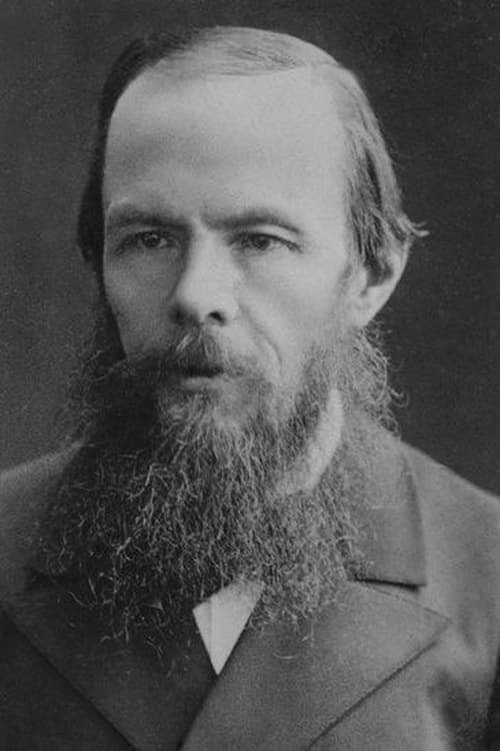
Fyodor Mikhailovich Dostoevsky (UK: /ˌdɒstɔɪˈɛfski/, US: /ˌdɒstəˈjɛfski, ˌdʌs-/; Russian: Фёдор Михайлович Достоевский, tr. Fyódor Mikháylovich Dostoyévskiy, IPA: [ˈfʲɵdər mʲɪˈxajləvʲɪdʑ dəstɐˈjefskʲɪj] (listen); 11 November 1821 – 9 February 1881), sometimes transliterated as Dostoyevsky, was a Russian novelist, short story writer, essayist and journalist. Dostoevsky's literary works explore the human condition in the troubled political, social, and spiritual atmospheres of 19th-century Russia, and engage with a variety of philosophical and religious themes. His most acclaimed novels include Crime and Punishment (1866), The Idiot (1869), Demons (1872), and The Brothers Karamazov (1880). His 1864 novella, Notes from Underground, is considered to be one of the first works of existentialist literature. Numerous literary critics rate him as one of the greatest novelists in all of world literature, as many of his works are considered highly influential masterpieces. Born in Moscow in 1821, Dostoevsky was introduced to literature at an early age through fairy tales and legends, and through books by Russian and foreign authors. His mother died in 1837 when he was 15, and around the same time, he left school to enter the Nikolayev Military Engineering Institute. After graduating, he worked as an engineer and briefly enjoyed a lavish lifestyle, translating books to earn extra money. In the mid-1840s he wrote his first novel, Poor Folk, which gained him entry into Saint Petersburg's literary circles. However, he was arrested in 1849 for belonging to a literary group, the Petrashevsky Circle, that discussed banned books critical of Tsarist Russia. Dostoevsky was sentenced to death but the sentence was commuted at the last moment. He spent four years in a Siberian prison camp, followed by six years of compulsory military service in exile. In the following years, Dostoevsky worked as a journalist, publishing and editing several magazines of his own and later A Writer's Diary, a collection of his writings. He began to travel around western Europe and developed a gambling addiction, which led to financial hardship. For a time, he had to beg for money, but he eventually became one of the most widely read and highly regarded Russian writers. Dostoevsky's body of work consists of 13 novels, 3 novellas, 17 short stories, and numerous other works. His writings were widely read both within and beyond his native Russia and influenced an equally great number of later writers including Russians such as Aleksandr Solzhenitsyn and Anton Chekhov, philosophers Friedrich Nietzsche and Jean-Paul Sartre, and the emergence of Existentialism and Freudianism. His books have been translated into more than 170 languages, and served as the basis for many films.
Fjodor Michailowitsch Dostojewski war ein russischer Schriftsteller, Kurzgeschichtenschreiber, Essayist und Journalist. Dostojewskis literarische Werke erkunden die menschliche Existenz im unruhigen politischen, sozialen und spirituellen Klima Russlands des 19. Jahrhunderts und behandeln eine Vielzahl philosophischer und religiöser Themen. Zu seinen bekanntesten Romanen zählen „Schuld und Sühne“ (1866), „Der Idiot“ (1869), „Die Dämonen“ (1872) und „Die Brüder Karamasow“ (1880). Seine Novelle „Aufzeichnungen aus dem Kellerloch“ von 1864 gilt als eines der ersten Werke der existentialistischen Literatur. Zahlreiche Literaturkritiker zählen ihn zu den größten Romanciers der Weltliteratur, da viele seiner Werke als einflussreiche Meisterwerke gelten. Dostojewskis Werk umfasst 13 Romane, 3 Novellen, 17 Kurzgeschichten und zahlreiche weitere Werke. Seine Schriften fanden weite Verbreitung in Russland und darüber hinaus und beeinflussten unzählige spätere Schriftsteller, darunter Russen wie Alexander Solschenizyn und Anton Tschechow, die Philosophen Friedrich Nietzsche und Jean-Paul Sartre sowie die Entstehung des Existenzialismus und des Freudismus. Seine Bücher wurden in über 170 Sprachen übersetzt und dienten als Vorlage für viele Filme.
فیودور میخایلوویچ داستایِفسکی یا فیودور میخایلوویچ دوستویِوسکی نویسندهٔ مشهور و تأثیرگذار روسی بود. داستایفسکی عمق و فراز جامعهٔ روسیه را تجربه کرد. شخصیتهای او در همهٔ رمانهایش با مشکلات روانشناسانه و عاطفی درگیر هستند اما مهمتر آنکه کتابهایش از آموزههای ایدئولوژیک زمان خود الهام میگرفتند. رمانهای مشهور او جنایت و مکافات (۱۸۶۶)، ابله (۱۸۶۹)، جنزدگان (۱۸۷۲) و برادران کارامازوف (۱۸۸۰) هستند.
Fiodor Mikhaïlovitch Dostoïevski (en russe : Фёдор Михайлович Достоевский) est un écrivain russe, né à Moscou le 11 novembre 1821 et mort à Saint-Pétersbourg le 9 février 1881. Considéré comme l'un des plus grands romanciers russes, il a influencé de nombreux écrivains et philosophes.
费奥多尔·米哈伊洛维奇·陀思妥耶夫斯基(俄语:Фёдор Михайлович Достоевский,1821年11月11日—1881年2月9日),俄国作家,以长篇小说、短篇故事、散文和新闻作品闻名。其文学创作深入探讨19世纪俄国动荡政治、社会及精神氛围下的人类处境,并触及众多哲学与宗教主题。代表作包括《罪与罚》(1866)、《白痴》(1869)、《群魔》(1872)及《卡拉马佐夫兄弟》(1880)。1864年的中篇小说《地下室手记》被视为存在主义文学的开山之作。众多文学评论家将他列为世界文学史上最伟大的小说家之一,其作品被广泛视为具有深远影响力的杰作。 陀思妥耶夫斯基1821年生于莫斯科,幼年通过童话传说及俄国内外作家的作品接触文学。15岁时母亲去世,他随即离开学校进入尼古拉耶夫军事工程学院。毕业后担任工程师,曾短暂过着奢华生活,并通过翻译书籍补贴收入。19世纪40年代中期创作首部小说《穷人》,由此跻身圣彼得堡文学圈。1849年因参与讨论批判沙俄禁书的彼得拉舍夫斯基小组遭逮捕,被判处死刑却在临刑前改判。他经历了四年西伯利亚苦役,又被迫在流放地服六年兵役。此后投身新闻事业,创办并编辑多本杂志,后期出版收录个人随笔的《作家日记》。他游历西欧期间沉迷赌博导致经济困顿,一度靠乞讨度日,最终成为俄国最受推崇、读者最广的作家之一。 陀思妥耶夫斯基一生创作了13部长篇小说、3部中篇小说、17篇短篇小说及大量其他作品。其著作在俄国本土及海外被广泛阅读,深刻影响了亚历山大·索尔仁尼琴、安东·契诃夫等俄国作家,哲学家弗里德里希·尼采、让-保罗·萨特,并推动了存在主义与弗洛伊德学说的兴起。其作品已被译为170余种语言,并成为众多影视作品的创作蓝本。
費奧多爾·米哈伊洛維奇·杜斯妥耶夫斯基(俄語:Фёдор Михайлович Достоевский,1821 年 11 月 11 日 — 1881 年 2 月 9 日),俄國作家,以長篇小説、短篇故事、散文和新聞作品聞名。其文學創作深入探討 19 世紀俄國動蕩政治、社會及精神氛圍下的人類處境,並觸及眾多哲學與宗教主題。代表作包括《罪與罰》(1866)、《白痴》(1869)、《群魔》(1872)及《卡拉馬佐夫兄弟》(1880)。1864 年的中篇小説《地下室手記》被視為存在主義文學的開山之作。眾多文學評論家將他列為世界文學史上最偉大的小説家之一,其作品被廣泛視為具有深遠影響力的傑作。 杜斯妥耶夫斯基 1821 年生於莫斯科,幼年通過童話傳説及俄國內外作家的作品接觸文學。15 歲時母親去世,他隨即離開學校進入尼古拉耶夫軍事工程學院。畢業後擔任工程師,曾短暫過着奢華生活,並通過翻譯書籍補貼收入。19 世紀 40 年代中期創作首部小説《窮人》,由此躋身聖彼得堡文學圈。1849 年因參與討論批判沙俄禁書的彼得拉捨夫斯基小組遭逮捕,被判處死刑卻在臨刑前改判。他經歷了四年西伯利亞苦役,又被迫在流放地服六年兵役。此後投身新聞事業,創辦並編輯多本雜志,後期出版收錄個人隨筆的《作家日記》。他遊歷西歐期間沉迷賭博導致經濟困頓,一度靠乞討度日,最終成為俄國最受推崇、讀者最廣的作家之一。 杜斯妥耶夫斯基一生創作了 13 部長篇小説、3 部中篇小説、17 篇短篇小説及大量其他作品。其著作在俄國本土及海外被廣泛閲讀,深刻影響了亞歷山大·索爾仁尼琴、安東·契訶夫等俄國作家,哲學家弗里德裏希·尼採、讓 - 保羅·薩特,並推動了存在主義與弗洛伊德學説的興起。其作品已被譯為 170 餘種語言,並成為眾多影視作品的創作藍本。
Writing (110)
… and 50 more