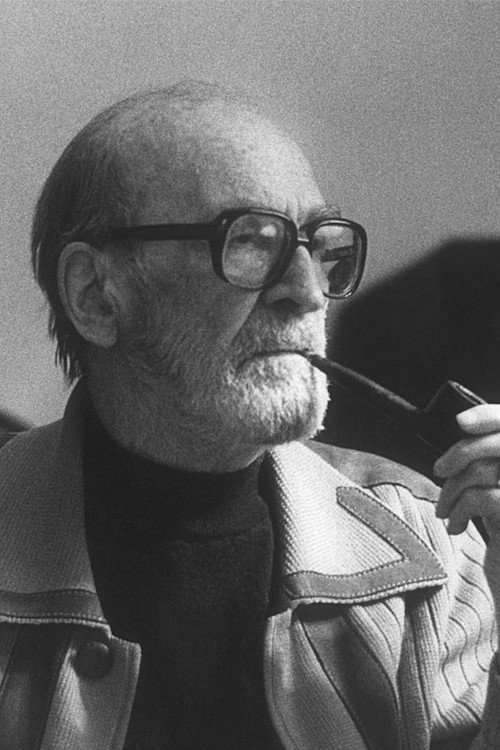
Mircea Eliade
Mircea Eliade (Romanian: [ˈmirtʃe̯a eliˈade]; March 13 [O.S. February 28] 1907 – April 22, 1986) was a Romanian historian of religion, fiction writer, philosopher, and professor at the University of Chicago. One of the most influential scholars of religion of the 20th century and interpreter of religious experience, he established paradigms in religious studies that persist to this day. His theory that hierophanies form the basis of religion, splitting the human experience of reality into sacred and profane space and time, has proved influential.[2] One of his most instrumental contributions to religious studies was his theory of eternal return, which holds that myths and rituals do not simply commemorate hierophanies, but (at least in the minds of the religious) actually participate in them. Eliade's literary works belong to the fantastic and autobiographical genres. The best known are the novels Maitreyi ('La Nuit Bengali' or 'Bengal Nights', 1933), Noaptea de Sânziene ('The Forbidden Forest', 1955), Isabel și apele diavolului ('Isabel and the Devil's Waters'), and Romanul Adolescentului Miop ('Novel of the Nearsighted Adolescent', 1989); the novellas Domnișoara Christina ('Miss Christina', 1936) and Tinerețe fără tinerețe ('Youth Without Youth', 1976); and the short stories Secretul doctorului Honigberger ('The Secret of Dr. Honigberger', 1940) and La Țigănci ('With the Gypsy Girls', 1963). Early in his life, Eliade was a journalist and essayist, a disciple of Romanian philosopher and journalist Nae Ionescu, and a member of the literary society Criterion. In the 1940s, he served as cultural attaché of the Kingdom of Romania to the United Kingdom and Portugal. Several times during the late 1930s, Eliade publicly expressed his support for the Iron Guard, a Romanian Christian fascist organization. His involvement with fascism at the time, as well as his other far-right connections, came under frequent criticism after World War II. Noted for his vast erudition, Eliade had fluent command of five languages (Romanian, French, German, Italian, and English) and a reading knowledge of three others (Hebrew, Persian, and Sanskrit). In 1990 he was elected a posthumous member of the Romanian Academy. Description above from the Wikipedia article Mircea Eliade, licensed under CC-BY-SA, full list of contributors on Wikipedia.
米尔恰·伊利亚德(罗马尼亚语:[ˈmirtʃe̯a eliˈade];1907年3月13日[旧历2月28日]—1986年4月22日)是罗马尼亚宗教史学家、小说家、哲学家及芝加哥大学教授。作为20世纪最具影响力的宗教研究学者和宗教体验阐释者之一,他建立的宗教学范式沿用至今。其关于"显圣"构成宗教基础的理论——将人类对现实的体验划分为神圣与世俗的时空——影响深远。他对宗教学最关键的贡献之一是"永恒回归"理论,该理论认为神话与仪式不仅纪念显圣现象,更(至少在信徒心中)实际参与其中。 伊利亚德的文学作品涵盖奇幻与自传体裁,最著名的包括小说《孟加拉之夜》(1933年)、《禁林》(1955年)、《伊莎贝尔与魔鬼之水》及《近视少年的罗曼史》(1989年);中篇小说《克里斯蒂娜小姐》(1936年)与《没有青春的青春》(1976年);短篇小说《霍尼格伯格医生的秘密》(1940年)和《与吉卜赛女郎》(1963年)。 早年间,伊利亚德曾担任记者和散文家,师从罗马尼亚哲学家兼记者奈·约内斯库,并加入文学团体"准则社"。1940年代,他出任罗马尼亚王国驻英国及葡萄牙文化参赞。1930年代末期,伊利亚德多次公开支持罗马尼亚基督教法西斯组织"铁卫团"。他在二战期间与法西斯主义的关联及其他极右翼关系,在战后持续受到批评。 伊利亚德以渊博学识著称,精通五门语言(罗马尼亚语、法语、德语、意大利语、英语),并能阅读三种语言文献(希伯来语、波斯语、梵语)。1990年,他被追认为罗马尼亚科学院院士。
米爾恰·伊利亞德(羅馬尼亞語:[ˈmirtʃe̯a eliˈade];1907 年 3 月 13 日[舊歷 2 月 28 日]—1986 年 4 月 22 日)是羅馬尼亞宗教史學家、小説家、哲學家及芝加哥大學教授。作為 20 世紀最具影響力的宗教研究學者和宗教體驗闡釋者之一,他建立的宗教學範式沿用至今。其關於"顯聖"構成宗教基礎的理論——將人類對現實的體驗劃分為神聖與世俗的時空——影響深遠。他對宗教學最關鍵的貢獻之一是"永恆回歸"理論,該理論認為神話與儀式不僅紀念顯聖現象,更(至少在信徒心中)實際参與其中。 伊利亞德的文學作品涵蓋奇幻與自傳體裁,最著名的包括小説《孟加拉之夜》(1933 年)、《禁林》(1955 年)、《伊莎貝爾與魔鬼之水》及《近視少年的羅曼史》(1989 年);中篇小説《克里斯蒂娜小姐》(1936 年)與《沒有青春的青春》(1976 年);短篇小説《霍尼格伯格醫生的秘密》(1940 年)和《與吉卜賽女郎》(1963 年)。 早年間,伊利亞德曾擔任記者和散文家,師從羅馬尼亞哲學家兼記者奈·約內斯庫,並加入文學團體"準則社"。1940 年代,他出任羅馬尼亞王國駐英國及葡萄牙文化参讚。1930 年代末期,伊利亞德多次公開支持羅馬尼亞基督教法西斯組織"鐵衞團"。他在二戰期間與法西斯主義的關聯及其他極右翼關係,在戰後持續受到批評。 伊利亞德以淵博學識著稱,精通五門語言(羅馬尼亞語、法語、德語、意大利語、英語),並能閲讀三種語言文獻(希伯來語、波斯語、梵語)。1990 年,他被追認為羅馬尼亞科學院院士。