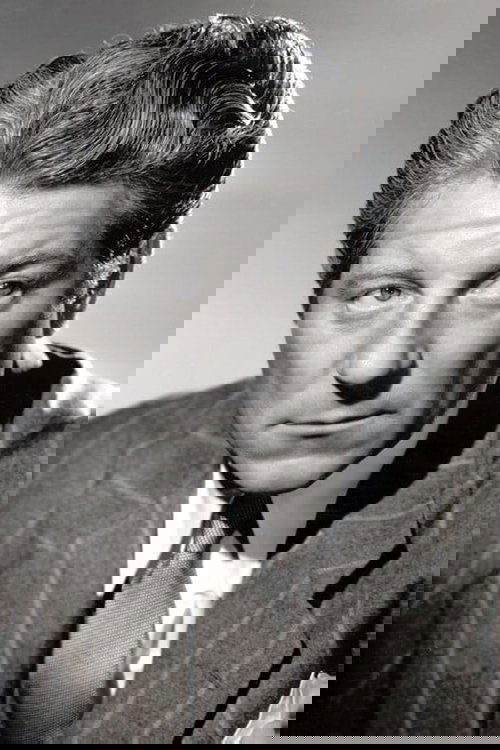
Jean Gabin
Jean Gabin Alexis Moncorgé (born Jean-Alexis Moncorgé), known as Jean Gabin (17 May 1904 – 15 November 1976), was a French actor and singer. Considered a key figure in French cinema, he starred in several classic films, including Pépé le Moko (1937), La grande illusion (1937), Le Quai des brumes (1938), La bête humaine (1938), Le jour se lève (1939), and Le plaisir (1952). During his career, he twice won the Silver Bear for Best Actor from the Berlin International Film Festival and the Volpi Cup for Best Actor from the Venice Film Festival, respectively. Gabin was made a member of the Légion d'honneur in recognition of the important role he played in French cinema. Gabin was born Jean-Alexis Moncorgé in Paris, the son of Madeleine Petit and Ferdinand Moncorgé, a cafe owner and cabaret entertainer whose stage name was Gabin, which is a first name in French. He grew up in the village of Mériel in the Seine-et-Oise (now Val-d'Oise) département, about 22 mi (35 km) north of Paris. He attended the Lycée Janson de Sailly. Gabin left school early, and worked as a laborer until the age of 19 when he entered show business with a bit part in a Folies Bergère production. He continued performing in a variety of minor roles before going into the military. After completing his military service in the Fusiliers marins, he returned to the entertainment business, working under the stage name of Jean Gabin at whatever was offered in the Parisian music halls and operettas, imitating the singing style of Maurice Chevalier, which was the rage at the time. He was part of a troupe that toured South America, and upon returning to France found work at the Moulin Rouge. His performances started getting noticed, and better stage roles came along that led to parts in two silent films in 1928. Two years later Gabin made the transition to sound films in a 1930 Pathé Frères production, Chacun sa chance. Playing secondary roles, he made more than a dozen films over the next four years, including films directed by Maurice and Jacques Tourneur. But he only gained real recognition for his performance in Maria Chapdelaine, a 1934 production directed by Julien Duvivier. He was then cast as a romantic hero in the 1936 war drama La Bandera; this second Duvivier-directed film established him as a major star. The next year he teamed up with Duvivier again in the highly successful Pépé le Moko. Its popularity brought Gabin international recognition. That same year he starred in Jean Renoir's La Grande Illusion, an antiwar film that ran at a New York City theatre for an unprecedented six months. This was followed by another of Renoir's major works, La Bête Humaine (The Human Beast), a film noir tragedy based on the novel by Émile Zola and starring Gabin and Simone Simon, as well as Le Quai Des Brumes (Port of Shadows), one of director Marcel Carné's classics of poetic realism. His rugged charisma could be compared with Humphrey Bogart and James Cagney. He divorced his second wife in 1939. ... Source: Article "Jean Gabin" from Wikipedia in English, licensed under CC-BY-SA.
Jean Gabin, nascut Jean-Alexis Moncorgé, va ser un actor i cantant francès. Considerat una figura clau del cinema francès. Gabin va ser nomenat membre de la Legió d'Honor en reconeixement a l'important paper que va tenir en el cinema francès.
Jean Gabin, eigentlich Jean-Alexis Moncorgé, war ein französischer Schauspieler und in jungen Jahren ein Chansonnier. Ab den späten 1930er Jahren bis zu seinem Tod war er einer der führenden Charakterdarsteller des französischen Kinos.
Jean Gabin (París, 17 de mayo de 1904 - íd., 15 de noviembre de 1976) fue un destacado actor y héroe de guerra francés.
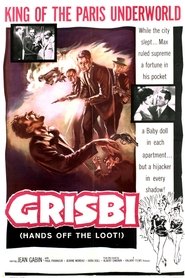
Jean Gabin Alexis Moncorgé, dit Jean Gabin, est un acteur français, né le 17 mai 1904 à Paris (9e arr.) et mort le 15 novembre 1976 à Neuilly-sur-Seine. Commençant sa carrière comme chanteur de revue et d'opérette, il s'impose ensuite à l'écran, devenant une figure incontournable du cinéma français, avec sa « Gueule d'amour », tournant avec les réalisateurs importants de l'entre-deux-guerres comme Julien Duvivier ou Jean Renoir. Après la guerre, où il s'est engagé au sein des Forces françaises libres, comme marin, d'abord naviguant, puis servant à partir de janvier 1944 comme chef de char au sein du régiment blindé de fusiliers-marins, il connait tout d'abord une période creuse en termes de succès, puis, à partir de 1954 et de la sortie de Touchez pas au grisbi, il devient un « pacha » au physique imposant et au regard sombre incarnant la plupart du temps des rôles de truands ou de policiers, toujours avec la même droiture, dans des films bien souvent dialogués par Michel Audiard. Sa filmographie dénombrant 95 films, compte un nombre important de classiques, parmi lesquels Gueule d'amour, La Bête humaine, Pépé le Moko, Le Quai des brumes, La Grande Illusion, Un singe en hiver, Le Chat, Le Pacha ou La Traversée de Paris. Il tourne avec la plupart des grands acteurs du cinéma français de l'époque dont certains, comme Fernandel, Lino Ventura, Bernard Blier, Jean-Paul Belmondo ou Alain Delon, sont ses amis. Acteur populaire, il a attiré plus de 161 millions de spectateurs dans les salles au cours de sa carrière d’après-guerre2, auxquels il faut ajouter ses nombreux succès parmi sa trentaine de films d'avant-guerre au box-office inconnu. Il a notamment remporté trois fois le prix d'interprétation masculine de la Mostra de Venise, en 1951 pour La nuit est mon royaume et en 1954 pour L'Air de Paris et Touchez pas au grisbi, ainsi que deux fois l'Ours d'argent du meilleur acteur à la Berlinale, en 1959 pour Archimède le clochard et en 1971 pour Le Chat.
Jean Gabin (Paris, 17 de maio de 1904 — Neuilly-sur-Seine, 15 de novembro de 1976), nascido Jean-Alexis Gabin Moncorgé, foi um ator francês. Iniciou sua carreira cinematográfica em 1931 e por mais de trinta anos foi considerado o maior ator do cinema francês. Gabin foi a imagem perfeita para muitos filmes de mistério e policiais, nos quais interpretava tanto papéis de gângster como de policial (dando vida, por exemplo, ao comissário Maigret em filmes baseados nos romances de Georges Simenon). Interpretou frequentemente personagens afastados da sociedade. Seus papéis mais célebres deram-lhe inúmeros prêmios, como em La grande illusion de Jean Renoir (1937), La Bête humaine (1938), La Marie du port (1949), Le clan des siciliens (1969) e Le chat (1970), contracenando com outro grande nome do cinema francês, Simone Signoret.
Жан Габен (настоящее имя Жан Алексис Монкорже) - французский актёр театра и кино. Двукратный лауреат премий Венецианского и Берлинского кинофестивалей, премии «Сезар». Офицер Ордена Почётного легиона. Жан Габен родился в Париже в семье артистов кабаре Фердинанда Монкорже и Элен Пети. Своё детство он провёл в городке Мерьель в 35 км к северу от Парижа. Какое-то время он работал разнорабочим, но в возрасте 19 лет начал карьеру в шоу-бизнесе, сыграв небольшую роль в одной из постановок «Фоли-Бержер». После этого он продолжал играть маленькие роли, пока не ушёл в армию.После возвращения во Францию он устроился работать в Мулен Руж. Талант Габена был замечен, и ему предложили более значимые роли в театре, а в 1928 году - роли в двух немых фильмах. Чуть раньше, в 1925 году, он женился в первый раз, на Габи Бассе, а через пять лет, в 1930 году, они расстались; в том же 1930 году Габен перешёл в звуковое кино, сыграв роль в фильме студии «Пате» «Chacun sa Chance». Играя второстепенные роли, Габен за последующие четыре года, сыграл в более чем дюжине фильмов, работая с такими режиссёрами, как Морис и Жак Турнёр. Признание к нему пришло в 1934 году благодаря роли в фильме режиссёра Жюльена Дювивье «Мария Шапделен» («Maria Chapdelaine»). В 1936 году Габен стал одной из главных звёзд французского кинематографа после того, как снялся в ещё одном фильме Жюльена Дювивье, военной драме «La Bandera», где он сыграл роль романтического героя. Всемирная слава пришла к Габену в следующем году после того, как он сыграл роли в двух фильмах, которые имели огромный успех и стали лидерами проката 1937 года во всём мире, наряду с мультфильмом «Белоснежка и семь гномов», который вышел в прокат в том же году. Одним из них был фильм Жюльена Дювивье «Пепе ле Моко», а другим - антивоенный фильм Жана Ренуара «Великая иллюзия», имевший большой успех в прокате и не сходивший с экранов нью-йоркских кинотеатров целых шесть месяцев. После того, как началась Вторая мировая война, Габен вслед за Жаном Ренуаром и Жюльеном Дювивье переехал в США. Там он в 1939 году развёлся со своей второй женой, Сюзанн Маргерит Жанной Мошен, от которой у него было двое детей за шесть лет совместной жизни, и начал бурный роман с актрисой Марлен Дитрих. Казалось, что карьера Габена окончена. Однако он ещё раз вернулся к былой славе в 1954 году в фильме Жака Беккера «Не тронь добычу». Его игра в этом фильме заслужила многочисленные похвалы кинокритиков, и сам фильм пользовался огромным успехом в прокате. За последующие 20 лет Габен снялся примерно в 50 фильмах, многие из которых были сделаны для «Gafer Films» - кинокомпании, которую он создал вместе со своим коллегой, актёром Фернанделем. От брака с Доминик Фурнье, с которой они поженились в 1949 году, у Габена было трое детей: дочери Флоранс и Валери и сын Матиас. Интересно, что Габен не хотел, чтобы его дочь Флоранс стала актрисой, и всячески препятствовал ей в этом. А когда она вышла замуж за жокея против его желания, он не пошёл на её свадьбу, послав вместо себя своего друга и коллегу Лино Вентуру. Жан Габен умер от сердечного приступа в возрасте 72 лет в пригороде Парижа Нёйи-сюр-Сен. Его тело было кремировано, а пепел развеян в море с борта военного корабля «Détroyat» со всеми военными почестями.
Jean Gabin (född "Jean-Alexis Moncorgé", 1904–1976) var en fransk skådespelare och krigshjälte. 1934 gjorde Jean Gabin filmdebut i "Folket från de stora vidderna" och fick sitt stora genombrott 1937 i "Pépé från Marseille". I slutet på 1930-talet fick han internationell berömmelse som en kraftfull filmpersonlighet; stark, tystlåten och verkligt mänsklig, ofta i roller som enstöring eller som arbetarklasshjälte. Trots sitt något fräcka yttre kunde han alltid konsten att vara den perfekte franske gentlemannen. En av hans mest populära rollgestaltningar var kommissarie Maigret i filmerna efter Georges Simenons romaner. Gabin kunde emellertid på ett trovärdigt sätt även framställa roller som aristokrater, bönder, tjuvar och företagsledare. Efter Tysklands ockupation av Frankrike 1940 fann Gabin en fristad i Hollywood, men de två amerikanska filmer han spelade in var tämligen obetydliga. Så småningom anslöt sig Gabin till general Charles de Gaulles fria franska styrkor. Gabin förtjänade Médaille militaire och en Croix de Guerre för sin tapperhet i strid, för de allierade i Nordafrika. Efter D-dagen tjänstgjorde Gabin med den 2:a pansardivisionen som befriade Paris. Under 1950-talet återtog han i Frankrike sin ställning som Frankrikes förnämste skådespelare, nu mer som erfaren medelålders man med auktoritet. Han slutade aldrig att arbeta, och när han dog var han fortfarande helt levande i sitt yrke för fransmännen.
Acting (101)

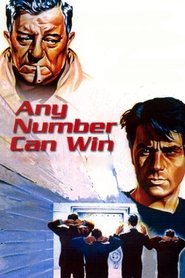
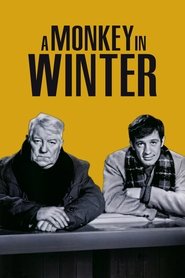
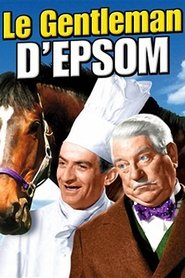
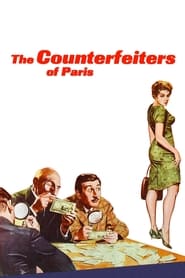
… and 41 more