Antonio Iranzo
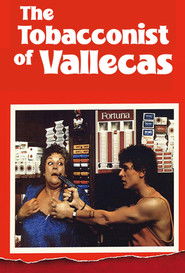
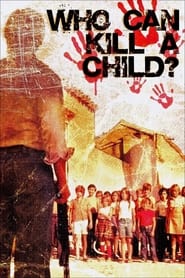
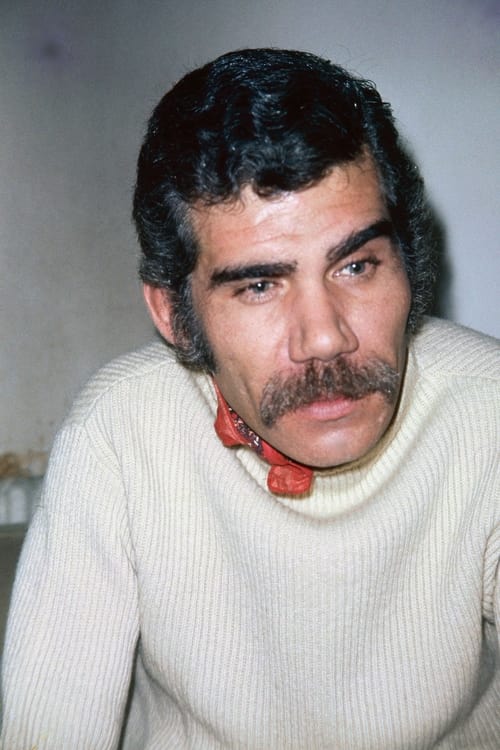
Antonio Iranzo (4 May 1930 – 7 July 2003) was a Spanish film actor in 77 feature films. He gained popularity for his acting in Island of the Damned and Cut - Throats Nine. Iranzo began his artistic career in the theater, while working as a radio announcer. Later he joined the Nuria Espert Company and made his film debut in 1963 with La chica del auto-stop directed by Miguel Lluch. His physique and hoarse voice helped him get the chance to play the supporting character in various films including Mario Camus's The Legend of Mayor of Zalamea (1973), Gonzalo Suárez's The Regent (1974), Narciso Ibáñez Serrador's Who Can Kill a Child? (1975), Hidden Pleasures (1977), The tobacconist of Vallecas (1986) (the latter two by Eloy de la Iglesia), the TV miniseries Riders of the Dawn (1990) and Vicente Aranda's Libertarias (1996). Iranzo had a well known career on stage, which particularly excelled in his interpretations of classics from the Golden Age. Some of the works featuring him were Adolfo Marsillach and Molière's Tartuffe (1969), Felix Lope de Vega's The Star of Seville (1958), Max Frisch's Andorra (1971), Adolfo Marsillach's Flower of Holiness (1973), Arnold Wesker and Irene Gutiérrez Caba's Chicken Soup with Oats (1978), Martín Recuerda's The Arrecogías the Beguinage of St. Mary of Egypt (1977), José María Rodríguez Méndez's Weddings that were famous in the Rag and Fandanga (1978), Miguel de Cervantes's The Baths of Algiers (1979) and The Roll Lavapies (1979), Woody Allen's Aspirin for Two (1980), Santiago Moncada's Ears of the Wolf (1980), Martin Recuerda's The Deceiting (1981), Miguel Mihura's Peach in Syrup (1982), Ibsen's Mallard (1982), Euripides's Fedra (1984), Shakespeare's Julius Caesar (1988), Alejandro Casona's The Third Word (1992). Iranzo also had a prolific career in television; he played several characters in dramas TVE as Study 1 or Novel, Time Eleven or Fictions. His deep voice helped him in standing out as a voice actor, remembered for being among other characters as BA Baracus in the television series El equipo A. He was the winner of the 1966's Silver Frames Award for Best Actor of Spanish cinema for the film Burnt Skin (La piel quemada). The film was directed by Josep Maria Forn and depicted the social problems of Spain during the decade. In the film Iranzo played the character of an Andalusian worker named Jose who works in Costa Brava and falls in love with a Belgian tourist while his family including wife and two children struggle to reach him. In 2014 the film Who can Kill a Child? was shown at Denver Film Society's Stanley Film Festival. Source: Article "Antonio Iranzo" from Wikipedia in English, licensed under CC-BY-SA 3.0.
Antonio Iranzo Escorihuela (València, 4 de maig de 1930 - València, 7 de juliol de 2003) va ser un actor de cinema i doblatge espanyol. Va començar la seva activitat artística en el teatre, al mateix temps que treballava com a locutor de ràdio. El seu físic d'home cepat i veu ronca marquen els personatges que interpretaria en la pantalla gran, gairebé sempre secundaris.
Antonio Iranzo (4. Mai 1930 – 7. Juli 2003) war ein spanischer Filmschauspieler, der in 77 Spielfilmen mitwirkte. Bekannt wurde er durch seine Rollen in „Die Insel der Verdammten“ und „Neun Halsabschneider“. Iranzo begann seine künstlerische Laufbahn am Theater und arbeitete nebenbei als Radiosprecher. Später schloss er sich der Nuria-Espert-Company an und gab 1963 in Miguel Lluchs „La chica del auto-stop“ sein Filmdebüt. Seine Statur und seine raue Stimme verhalfen ihm zu Nebenrollen in verschiedenen Filmen, darunter Mario Camus’ „Die Legende vom Bürgermeister von Zalamea“ (1973), Gonzalo Suárez’ „Der Regent“ (1974) und Narciso Ibáñez Serradors „Wer kann ein Kind töten?“. (1975), Verborgene Freuden (1977), Der Tabakhändler von Vallecas (1986) (die beiden letztgenannten unter der Regie von Eloy de la Iglesia), die Fernsehminiserie Reiter der Morgendämmerung (1990) und Vicente Arandas Libertarias (1996). Iranzo hatte eine erfolgreiche Bühnenkarriere, in der er insbesondere mit seinen Interpretationen von Klassikern des Goldenen Zeitalters glänzte. Zu den Werken, in denen er mitwirkte, gehörten Adolfo Marsillachs und Molières Tartuffe (1969), Felix Lope de Vegas Der Stern von Sevilla (1958), Max Frischs Andorra (1971), Adolfo Marsillachs Blume der Heiligkeit (1973), Arnold Weskers und Irene Gutiérrez Cabas Hühnersuppe mit Hafer (1978), Martín Recuerdas Die Arrecogías, der Beginenhof von Santa Maria de Egypt (1977), José María Rodríguez Méndez’ Hochzeiten, die in Rag und Fandanga berühmt waren (1978), Miguel de Cervantes’ Die Bäder von Algier (1979) und Die Rolle Lavapiés (1979), Woody Allens Aspirin für zwei (1980), Santiago Moncadas Ohren des Wolfes (1980), Martin Recuerdas „Die Täuschung“ (1981), Miguel Mihuras „Pfirsich in Sirup“ (1982), Ibsens „Die Stockente“ (1982), Euripides’ „Fedra“ (1984), Shakespeares „Julius Caesar“ (1988) und Alejandro Casonas „Das dritte Wort“ (1992) spielten seine Rollen. Iranzo war auch im Fernsehen sehr erfolgreich; er verkörperte verschiedene Charaktere in TVE-Dramen wie „Studie 1 oder Roman“, „Zeit 11“ oder „Fiktionen“. Seine tiefe Stimme trug dazu bei, dass er sich als Synchronsprecher hervortat; man erinnert sich unter anderem an seine Rolle als BA Baracus in der Fernsehserie „El equipo A“. Für seine Darstellung der verbrannten Haut („La piel quemada“) wurde er 1966 mit dem Silbernen Rahmen als bester Schauspieler des spanischen Kinos ausgezeichnet. Der Film unter der Regie von Josep Maria Forn thematisierte die sozialen Probleme Spaniens in den 1960er Jahren. In dem Film spielte Iranzo die Rolle des andalusischen Arbeiters José, der an der Costa Brava arbeitet und sich in eine belgische Touristin verliebt, während seine Familie – seine Frau und seine zwei Kinder – versucht, ihn zu erreichen. 2014 wurde der Film „Wer kann ein Kind töten?“ auf dem Stanley Film Festival der Denver Film Society gezeigt.
Acting (25)