Luigi Alva
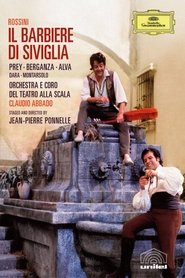
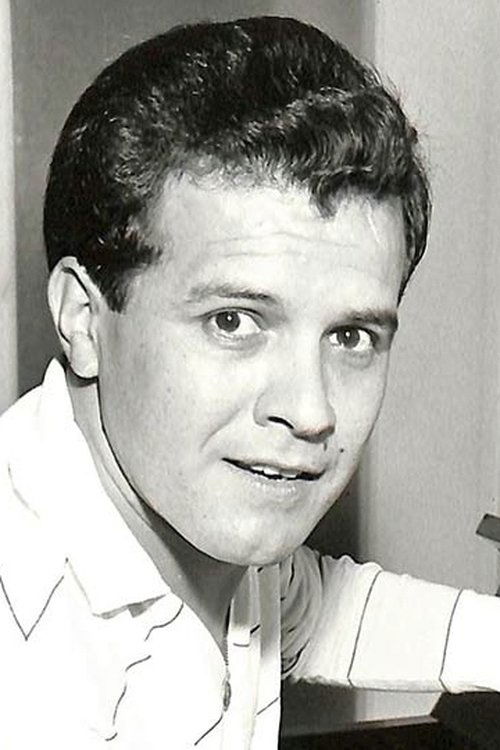
Luis Ernesto Alva y Talledo, better known as Luigi Alva (born 10 April 1927 in Paíta, Peru) is a Peruvian operatic tenor. A Mozart and Rossini specialist, Alva achieved fame with roles such as Don Ottavio (in Don Giovanni), Count Almaviva (in The Barber of Seville) and Fenton (in Verdi's Falstaff). He retired from the stage in 1989. Alva was born in Paita, Peru, and served for a while in the Peruvian Navy before concentrating on a singing career. He studied at the Conservatorio Nacional de Música in Lima under Rosa Mercedes Ayarza de Morales and made his operatic debut in Federico Moreno Torroba's Luisa Fernanda in Lima in 1949. Alva went to Milan in 1953 and studied under Emilio Ghirardini and Ettore Campogalliani. He made his European debut at the Teatro Nuovo in Milan as Alfredo in Verdi's La traviata in 1954, following that as Paolino in Cimarosa's Il matrimonio segreto. His debut at the La Scala came in 1956 as Count Almaviva in Rossini's The Barber of Seville, the role for which he became best known and widely admired. Subsequently he sang with most of the leading opera festivals and companies in the US and Europe. At Glyndebourne he made his debut as Nemorino in Donizetti's L'elisir d'amore. In 1962, Alva made his debut with the Philadelphia Lyric Opera Company as Count Almaviva and in 1964 he made his first appearance at the Metropolitan Opera as Fenton in Verdi's Falstaff. He went on to sing in a further 101 performances at the Met between 1964 and 1975. Alva had a light lyric tenor voice and was known for the clarity of his diction and his elegant phrasing, a quality which George Jellinek described as compensating for an "underpowered" voice in the 1956 live recording of Così fan tutte from La Scala. He rarely ventured beyond his favourite repertoire, which included Mozart, Rossini, and Donizetti and to which (according to Harold Rosenthal) his "elegant, refined style" was particularly suited. In 1980, he founded the Asociación Prolírica del Perú in Lima and served as its artistic director for several years. He retired from the stage in 1989, but sponsors the Premio Luigi Alva for young singers, gives master classes, and serves as a juror in singing competitions. Alva also teaches singing at La Scuola di Canto (Voice Academy) at La Scala in Milan. Amongst his students there was the Belgian tenor Marc Laho. In 2005, the Peruvian postal service issued a stamp in his honour and in 2012 he was awarded the Personalidad Meritoria de la Cultura medal by the Peruvian Ministry of Culture. Source: Article "Luigi Alva" from Wikipedia in English, licensed under CC-BY-SA 3.0.
Luigi Alva (Luis Ernesto Alva y Talledo) (né le 10 avril 1927 à Lima) est un ténor péruvien. Son élégance naturelle, le charme de sa présence en scène, son lyrisme pur ont fait de lui l'un des plus recherchés «tenore di grazia» de sa génération. Il étudie à Lima avec Rosa Mercedes de Morales, et commence à se produire en concert dès 1949. La même année il chante dans une zarzuela intitulée Luisa Fernanda. Il fait ses débuts à l'opéra dans sa ville natale dans le rôle de Beppe dans Pagliacci en 1951. Il se rend alors en Italie, pour poursuivre ses études à Milan avec Emilo Ghirardini et Ettore Campogalliani, et y chante pour la première fois au Teatro Nuovo en 1954, en Alfredo de La traviata. L'année suivante, il participe à l'ouverture de la «Piccola Scala» dans le rôle de Paolino dans Il matrimonio segreto, et peu après débute à La Scala, en Almaviva dans Il Barbiere di Siviglia. C'est alors le début d'une brillante carrière internationale. Il est invité à l'Opéra de Vienne, aux festivals de Salzbourg, Aix-en-Provence, Glyndebourne, Édimbourg, au Royal Opera House de Londres, au Metropolitan Opera de New York, etc., où il brille dans les emplois de ténor léger, notamment Mozart (Ottavio, Ferrando), Rossini (Lindoro, Ramiro), Donizetti (Nemorino, Ernesto), Verdi (Fenton), etc. En 1982, il est nommé directeur artistique de la «Fundacion Pro Arte Lirica» à Lima, où il aborde la mise en scène, et cesse progressivement de chanter jusqu'à son retrait définitif en 1989. Source: Article "Luigi Alva" de Wikipédia en français, soumis à la licence CC-BY-SA 3.0.
Acting (13)