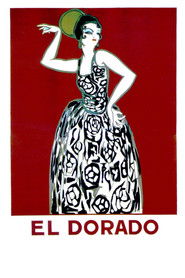
Alberto Cavalcanti
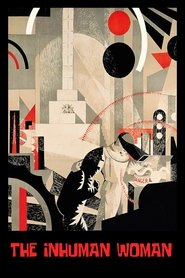
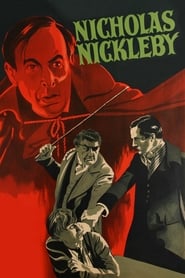
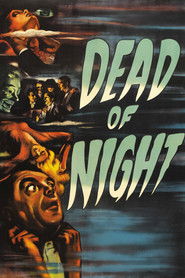
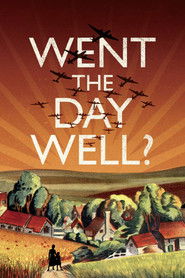
Alberto de Almeida Cavalcanti was a Brazilian-born film director and producer. He was born in Rio de Janeiro, the son of a prominent mathematician. He was a precociously intelligent child, and by the age of 15 was studying law at university. Following an argument with a professor he was expelled. His father sent him to Geneva, Switzerland on condition that he did not study law or politics. Cavalcanti chose to study architecture instead. At 18 he moved to Paris to work for an architect, later switching to working on interior design. After a visit back to Brazil he took up a position at the Brazilian consulate in Liverpool, England. Cavalcanti corresponded with Marcel L'Herbier, a leading light in France's avant-garde film movement. This led to a job offer from L'Herbier for Cavalcanti to work as a set designer. So, in 1920 he left his job at the Consulate and moved back to France to work for L'Herbier; he was to be involved in the making of numerous films, the most notable being L'Inhumaine. He was soon making his own films, in 1926 directing his first, Rien Que les Heures (Nothing But Time) — a day in the life of Paris and its citizens. In 1927 he collaborated with Walter Ruttmann on a similar project set in Berlin, called Berlin: Die Sinfonie der Großstadt (Berlin: Symphony of a Big City). Cavalcanti took a job with Paramount's French studios after the talkies came in, but he found himself making more commercial films which could not hold his interest and left Paramount in 1933. In the same year he returned to England to work for John Grierson's GPO Film Unit. He was involved in many capacities, from production to sound engineer. He was to spend seven years at the GPO Film Unit, working on many projects. Much of his work at the GPO was uncredited, he acted as a mentor to many new film makers, but in 1937 he was appointed acting head of the GPO Film Unit when Grierson left for Canada. When told that the only way the position could become permanent was to become a naturalized British citizen, he decided to leave the unit. In 1940 Cavalcanti joined Ealing Studios, under the leadership of producer Michael Balcon. He worked as an art editor, producer and director. His most notable works of this period (many of them propaganda films) were Yellow Caesar (1941), Went the Day Well? (1942), Three Songs of Resistance (1943), Champagne Charlie (1944), Dead of Night (as co-director) (1945) and Nicholas Nickleby (1947). In 1946 Cavalcanti left Ealing over a dispute about money. He went on to direct three more films in the UK, before returning to Brazil in 1950. In Brazil he worked as a producer for Companhia Cinematográfica Vera Cruz; the company eventually became insolvent. After being blacklisted as a communist in Brazil, he decided to move back to Europe in 1954. He eventually settled in France, where he continued his work in television. He died in Paris in 1982 at the age of 85.
Cineasta brasileño cuyo nombre se asocia a las vanguardias europeas del periodo de entreguerras. Frecuentó los ambientes artísticos franceses, dentro de los cuales realizó una película experimental de gran resonancia, Rien que les heures (1926). Más tarde alternó el documental y las películas de ficción, adaptaciones de obras literarias como Le capitaine Fracasse (1929). Fue llamado a Londres por John Grierson y su grupo de documentalistas y, convertido en productor, entre 1941 y 1949 realizó algunas películas de ficción. De regreso a Brasil, se dedicó a la enseñanza y a reorganizar la producción en su país. En esa época realizó O Canto do Mar (1953), una de sus obras más fuertes. De regreso a Europa rodó en Austria Herr Puntila und sein Knecht Matti (1960), según una obra del dramaturgo alemán Bertolt Brecht.
Alberto de Almeida Cavalcanti (Rio de Janeiro, 6 février 1897 - Paris, 23 août 1982) est un scénariste, réalisateur et producteur d'origine brésilienne. Diplômé en architecture-décoration de l'École des Beaux-Arts de Genève en 1916, Alberto Cavalcanti arrive à Paris au début des années 1920, et s’installe très tôt en France. Il se lie rapidement aux milieux d'avant-garde de l’époque et, après diverses expériences en tant que décorateur (notamment de L'Inhumaine de Marcel L'Herbier), il commence sa carrière de réalisateur en 1926 avec son premier film, Rien que les heures. La même année, il prend la nationalité française. Maître authentique de l’art cinématographique brésilien du XXe siècle, Cavalcanti a enraciné sa réputation en tant que documentariste en Grande-Bretagne pendant les années 1930, avant de renforcer sa renommée par la production de quelques grands films pour les studios Ealing. Cinéaste cosmopolite, on le découvre à Londres aux côtés de John Grierson dans les années 1930 pour la réalisation d'un documentaire Coal Face ou dans l'équipe son de Courrier de nuit (Night Mail, 1936) produit par Grierson. Il participe au grand mouvement documentaire-réaliste. À la fin des années 1940, de retour au Brésil, il tente de redonner une nouvelle impulsion au cinéma national. Il tourne ensuite en République fédérale d'Allemagne Maître Puntila et son valet Matti (Herr Puntila und sein Knecht Matti, 1956) d'après la pièce de Bertolt Brecht, et de nouveau au Brésil, Le Chant de la mer (O Canto do mar, 1954). Source: Article "Alberto Cavalcanti" de Wikipédia en français, soumis à la licence CC-BY-SA 3.0.
阿尔贝托·德·阿尔梅达·卡瓦尔坎蒂是一位巴西出生的电影导演和制片人。他出生于里约热内卢,父亲是著名数学家。他自幼聪慧过人,15岁时便进入大学攻读法律,后因与教授争执遭开除。父亲将他送往瑞士日内瓦,条件是不准再修读法律或政治。卡瓦尔坎蒂转而选择学习建筑。18岁时他移居巴黎,先在一家建筑事务所工作,后转入室内设计领域。一次回巴西探亲后,他受聘于巴西驻英国利物浦领事馆。 卡瓦尔坎蒂曾与法国先锋电影运动的核心人物马塞尔·莱尔比埃通信往来,这使他获得了莱尔比埃提供的美术设计职位。1920年,他辞去领事馆工作回到法国,参与制作了多部影片,其中最著名的是《非人性》。 他很快开始独立创作,1926年执导处女作《时光流逝》——这部作品以巴黎市民的日常生活为题材。1927年,他与沃尔特·鲁特曼合作完成柏林题材的姊妹篇《柏林:城市交响曲》。 有声电影兴起后,卡瓦尔坎蒂加入派拉蒙法国工作室,但因对商业影片失去兴趣于1933年离职。同年他重返英国,加入约翰·格里尔逊领导的英国邮政总局电影部。在此工作的七年里,他身兼制片、录音师等多职,虽多数工作未署名,却培养了许多新锐电影人。1937年格里尔逊赴加拿大后,他被任命为代理主管,但当得知必须入籍英国才能转正时,他选择离开。 1940年,卡瓦尔坎蒂加入迈克尔·巴尔康执掌的伊灵制片厂,担任美术指导、制片人和导演。这一时期他的代表作(多为宣传片)包括:《黄色凯撒》(1941)、《战火已燃?》(1942)、《抵抗三部曲》(1943)、《香槟查理》(1944)、合导的《夜夜春宵》(1945)及《尼古拉斯·尼克贝》(1947)。1946年因薪酬纠纷离开伊灵后,他在英国又执导了三部影片,于1950年返回巴西。 回国后,他担任维拉克鲁斯电影公司制片人,该公司最终破产。1954年因被巴西列为共产主义黑名单,他决定重返欧洲,最终定居法国从事电视创作。1982年,卡瓦尔坎蒂在巴黎逝世,享年85岁。
阿爾貝托·德·阿爾梅達·卡瓦爾坎蒂是一位巴西出生的電影導演和制片人。他出生於里約熱內盧,父親是著名數學家。他自幼聰慧過人,15 歲時便進入大學攻讀法律,後因與教授爭執遭開除。父親將他送往瑞士日內瓦,條件是不準再修讀法律或政治。卡瓦爾坎蒂轉而選擇學習建築。18 歲時他移居巴黎,先在一家建築事務所工作,後轉入室內設計領域。一次回巴西探親後,他受聘於巴西駐英國利物浦領事館。 卡瓦爾坎蒂曾與法國先鋒電影運動的核心人物馬塞爾·萊爾比埃通信往來,這使他獲得了萊爾比埃提供的美術設計職位。1920 年,他辭去領事館工作回到法國,参與制作了多部影片,其中最著名的是《非人性》。 他很快開始獨立創作,1926 年執導處女作《時光流逝》——這部作品以巴黎市民的日常生活為題材。1927 年,他與沃爾特·魯特曼合作完成柏林題材的姊妹篇《柏林:城市交響曲》。 有聲電影興起後,卡瓦爾坎蒂加入派拉蒙法國工作室,但因對商業影片失去興趣於 1933 年離職。同年他重返英國,加入約翰·格里爾遜領導的英國郵政總局電影部。在此工作的七年裏,他身兼制片、錄音師等多職,雖多數工作未署名,卻培養了許多新鋭電影人。1937 年格里爾遜赴加拿大後,他被任命為代理主管,但當得知必須入籍英國才能轉正時,他選擇離開。 1940 年,卡瓦爾坎蒂加入邁克爾·巴爾康執掌的伊靈制片廠,擔任美術指導、制片人和導演。這一時期他的代表作(多為宣傳片)包括:《黃色凱撒》(1941)、《戰火已燃?》(1942)、《抵抗三部曲》(1943)、《香檳查理》(1944)、合導的《夜夜春宵》(1945)及《尼古拉斯·尼克貝》(1947)。1946 年因薪酬糾紛離開伊靈後,他在英國又執導了三部影片,於 1950 年返回巴西。 回國後,他擔任維拉克魯斯電影公司制片人,該公司最終破產。1954 年因被巴西列為共產主義黑名單,他決定重返歐洲,最終定居法國從事電視創作。1982 年,卡瓦爾坎蒂在巴黎逝世,享年 85 歲。
Directing (49)
Acting (7)
Writing (13)
Crew (25)