Charlott Daudert
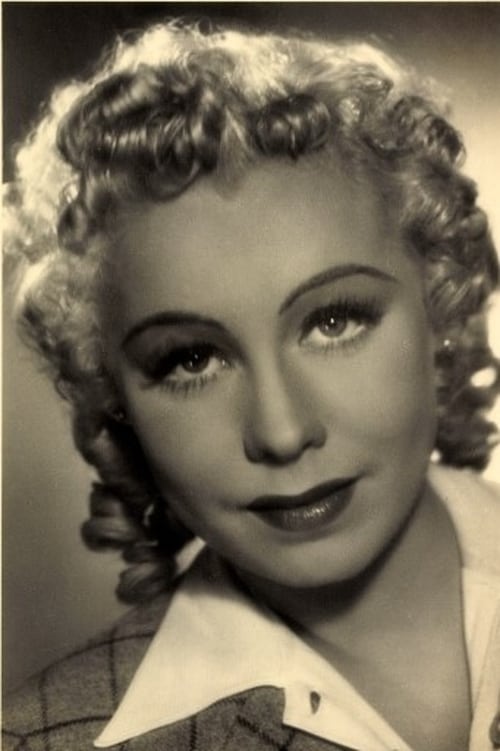
Whatever her limitations as an actress, Charlott Daudert made up for with wide-eyed effervescence and a cute, feisty personality. The bubbly blonde began working life as editor of the children's section of a newspaper (as 'Aunty Charlotte') in her home town of Königsberg, East Prussia. She also dabbled in drafting costume designs. The abandonment of her journalistic career seems to have come about all of a sudden and quite by accident: accompanying a friend to a theatrical audition as 'moral support' resulted in Charlotte, not the friend, being signed up for drama school. Her 'discovery' is generally credited to the renowned actor Max Pallenberg who took on the role of her mentor. Known by her peers as 'Charly', she made her debut in a minuscule part in Shakespeare's "Much Ado About Nothing" and spent the next three years at Tilsit's Stadttheater under Pallenberg's direction. Following a brief stint in local radio, she then moved on to wider canvases in Berlin where she underwent further tuition by Leopold Jessner. By 1933, Charly had developed into an accomplished comedienne and come to the attention of Trude Hesterberg. She began performing comedy routines and singing in various popular cabarets, including "Musenschaukel" and "Die Katakombe". At the same time, she spiced up the screen as perpetually naive, sexy friends of the heroine. Her output was rather heavily weighted towards escapist entertainments, some of them not at all bad: April, April! (1935), Der Etappenhase (1937), Kitty und die Weltkonferenz (1939). Resuming in the same vein in the aftermath of World War II, the ever likeable, pert, dizzy Charlott warbled a popular hit song ("Ach du liebe Zeit, hat den kein Mensch mehr für die Liebe Zeit") in the ruins of Berlin in Nacht ohne Sünde (1950). There were diverse other supporting roles in box-office hits, including the caper comedies Klettermaxe (1952) and Der blaue Stern des Südens (1951). Sadly, despite her enduring popularity as a conveyor of uncomplicated happiness, genuine stardom was never to be on the cards. The decline of Charly's career was to be exacerbated by depression and alcoholism. On occasion, she would come on stage and forget or fumble her lines. By the autumn of 1960, she was making plans to retire from acting and run an artists B & B in Monaco. It never came to pass. Just four months later she was dead from a blood disorder at the age of 47. - IMDb mini biography by: I.S.Mowis
Die Tochter eines Arztes wuchs in Königsberg, Ostpreußen auf. Sie machte das Abitur und besuchte die Handelsschule, danach war sie Redakteurin einer Zeitung, wo sie als „Tante Charlotte“ den Kinderteil übernahm. Später arbeitete sie als Modezeichnerin. Durch Zufall kam sie an das Schauspielhaus in Königsberg, wo sie von Max Pallenberg entdeckt wurde. Daudert kam über Tilsit nach Berlin und trat in Werner Fincks Kabarett Die Katakombe auf. Ab 1934 bis zu ihrem Tod drehte sie 70 Filme. In der Filmkomödie von 1950 Die Nacht ohne Sünde spielte sie eine tragende Rolle als mondäne junge Frau. 1960 wollte sie in Monte Carlo eine Künstlerpension eröffnen, starb aber bereits am 19. Januar 1961 an einer Blutkrankheit. Ihre Mutter war Wilhelmine Daudert. Ihre Schwester ist Erika Pahlke geb. Daudert. Es ist unklar, ob Charlotte Daudert-Burgess im Zeitpunkt ihres Todes noch mit dem britischen Staatsbürger George Nether Burgess verheiratet und durch diese Eheschließung britische Staatsbürgerin war. Quelle: Wikipedia
Acting (57)