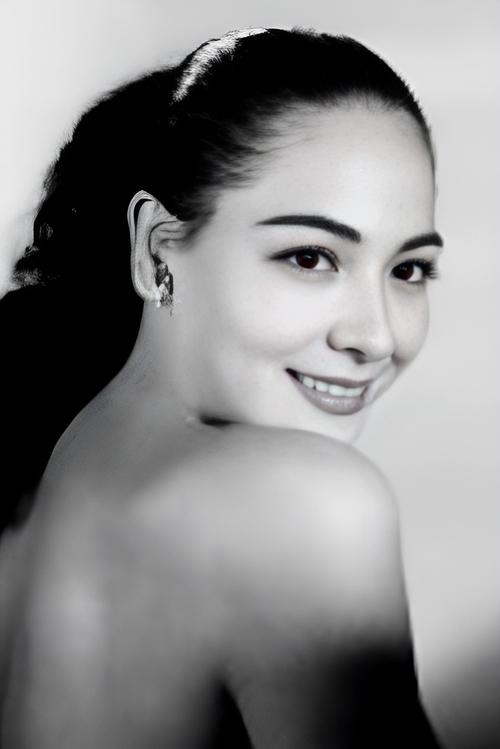
Columba Domínguez
Columba Domínguez Adalid (March 4, 1929 – August 13, 2014) was a Mexican film actress. Considered a crucial figure in the Golden Age of Mexican cinema. Considered one of the muses of the film director Emilio Fernández, who, moreover, was romantically linked for several years. She is remembered particularly for her performance in the film Pueblerina (1949), considered one of the jewels of the Mexican Cinema. Columba Domínguez Adalid born on March 4, 1929 in Guaymas, Sonora, Mexico, reaching very young with her family to the Mexico City. When she went to a party with one of her sisters, was discovered by the Mexican film director Emilio Fernández, who was amazed by her beauty with very marked Mexican features and gives you entry to a movie with little roles in films such as La perla (1945) and Río Escondido (1947). In 1948, Fernandez give her the antagonistic role in the film Maclovia (1948), with María Félix. Her performance is praised by critics and thanks to this film, Fernández entrusted with the leading role that would become her best film: Pueblerina (1948). Thanks to this movie Columba rises the stardom rapidly and becomes known worldwide to be presented at the Karlovy Vary International Film Festival. In that same year she participated in La Malquerida, with Dolores del Río and Pedro Armendáriz. Preceded by the success of Pueblerina, Columba was contracted in Italy to participate in the film L'Edera (1950).[1] The same year, she filming Un día de vida, which went unnoticed in Mexico, but became a huge success in the former Yugoslavia, released in 1952. Encased in native roles, Columba separates professionally Fernandez in 1952, which allowed them to become one first figure and work under the orders of other filmmakers, such as Luis Bunuel (with whom she worked in El río y la muerte (1955)), Fernando Méndez (director of the cult film Ladrón de cadáveres (1957), considered one of the best Mexican horror films) and Ismael Rodriguez (who took her to star in two masterpieces: Los Hermanos de Hierro (1961) and Ánimas Trujano (1962), with the Japanese actorToshiro Mifune), among others. In 1962 she participated in El tejedor de milagros, a film that represented Latin America in the IX Berlin Film Festival. Columba also made the first official nude in the Mexican Cinema in the film La virtud desnuda. (1956). In the television, Domínguez participed in some telenovelas like La tormenta (1967) and El carruaje (1972). Her last appearance in the television was in Aprendiendo a amar(1979). After her retirement in 1987, Columba was devoted to dance, humanistic art, painting (coming to exhibit in Europe) and piano. In 2008, after more than 20 years of retirement from cinema, the Mexican director Roberto Fiesco, returned her to the cinema with the short film Paloma. That same year, Dominguez was honored by the International Film Festival de la Frontera, in Ciudad Juarez, in which some of the most representative titles in which he participated were projected.[2] In 2010, Domínguez made a special appearances in the films La cebra and Borrar la memoria.[3] In 2012, she participates in the film El último trago. In May 2013, Columba Domínguez was honored with the Golden Ariel Award for her contributions to the Mexican film industry.
Columba Domínguez Alarid (Guaymas, Mèxic, 4 de març de 1929 - Ciutat de Mèxic, Mèxic, 13 d'agost de 2014) va ser una actriu, cantant i pintora mexicana. Va ser descoberta pel director cinematogràfic Emilio Fernández Romo, qui queda meravellat amb la seva bellesa amb trets mexicans molt marcats.
Columba Domínguez Alarid (Guaymas, Sonora, 4 de marzo de 1929 - Ciudad de México, 13 de agosto de 2014) fue una actriz y cantante mexicana. Es recordada particularmente por sus actuaciones en Maclovia (1948), por la cual ganó el premio Ariel a mejor coactuación femenina, y Pueblerina (1949) y recibió el Ariel de Oro en 2013. Columba fue descubierta por el director Emilio "Indio" Fernández, quien queda maravillado con su belleza con rasgos mexicanos muy marcados y le da entrada al cine con pequeños papeles como en La Perla (1945) y Río Escondido (1947) y ¡Como México no hay dos! y Pepita Jiménez, de 1945. En 1948 Emilio Fernández le da el antagónico en Maclovia (1948). Su actuación es elogiada y es gracias a esta cinta obtiene el protagónico de la que se convertiría en su mejor filme: Pueblerina (1948). Gracias a esta película Columba asciende rápidamente al estrellato y se vuelve conocida en todo el mundo al ser presentada en el Festival Internacional de Cine de Karlovy Vary, en Checoslovaquia (hoy República Checa), En ese mismo año participa en La malquerida. Precedida por el éxito de Pueblerina, es contratada en Italia para protagonizar L'edera (1950). En el mismo año filma Un día de vida, que paso desapercibida en México, pero que se convirtió en un gran éxito en la ex Yugoslavia, estrenada en 1952. Trabajó con Luis Buñuel El río y la muerte (1955), Fernando Méndez en Ladrón de cadáveres (1957), considerada la mejor película mexicana del género fantástico e Ismael Rodríguez en Los hermanos del hierro (1961) y Animas Trujano (1962). También estuvo en El tejedor de milagros (1962), cinta representante de Latinoamérica en el IX Festival Internacional de Cine de Berlín. Columba también realizó el primer desnudo oficial del Cine Mexicano en la cinta La virtud desnuda (1956). En 1961, Columba grabó un disco titulado La voz dulce y mexicana de Columba Domínguez para el sello RCA Víctor. El álbum contiene diez canciones y fue reeditada en formato digital por Sony Music en 2012. En televisión destaca en La tormenta (1967) y El carruaje (1972), ambas novelas de corte histórico. Su última aparición en la tv fue en Aprendiendo a amar (1979). En 1982 por problemas financieros tuvo que suspender la película Jacaranda, de la que fue guionista y productora; previamente había dirigido cinco cortometrajes. En 1984 la Asociación Nacional de Actores (ANDA) le hizo entrega de la medalla Virginia Fábregas, por sus más de 25 años de labor artística ininterrumpida. Después de su retiro en 1987 la actriz, se dedicó a la danza, pintura y piano. En 2008, fue homenajeada por el Festival Internacional de Cine de la Frontera, en Ciudad Juárez, en el que se proyectaron algunas de las cintas más representativas en las que participó, y además, después de más de 20 años de estar retirada, volvió con el cortometraje, Paloma. En 2010, hizo participaciones especiales en los filmes: La cebra y Borrar la memoria, estrenada en el Festival Internacional de Cine de Morelia. En 2012, participó en el rodaje de la película En el último trago, presentada en marzo de 2014 en el Festival Internacional de Cine de Guadalajara. En mayo de 2013, fue galardonada con el Premio Ariel de Oro por su trayectoria. Este mismo año, Domínguez realizaría su último trabajo como actriz protagonizando en un cortometraje titulado Ramona, grabado en 2013.
Columba Domínguez Adalid foi uma atriz, cantora e pintora mexicana. Ela é considerada uma figura crucial na Idade de Ouro do cinema mexicano e é lembrada particularmente por sua atuação no filme Pueblerina, considerado uma das jóias do cinema mexicano.