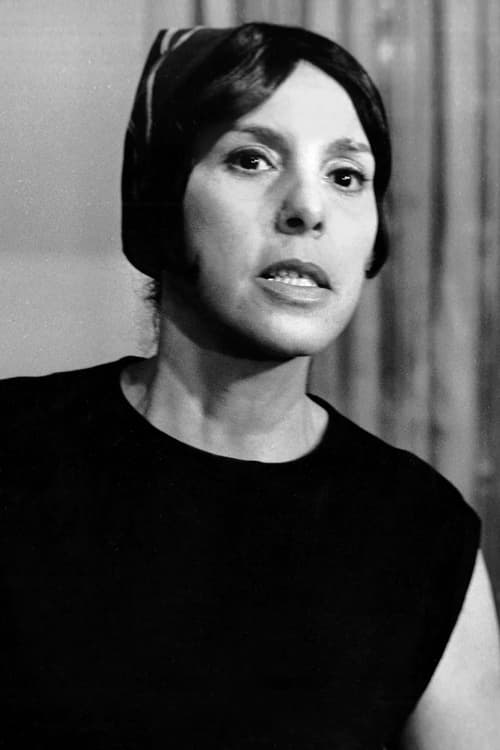
Keltoum (Aïcha Adjouri)
Keltoum, whose real name is Aïcha Adjouri, is an Algerian actress, born February 4, 1916 in Blida, and died November 11, 2010 in Algiers. Figure and dean of Algerian theater and cinema, Keltoum crosses paths with Mahieddine Bachtarzi who recruits her for a small role as a dancer in an operetta. In 1937, she co-starred with Rachid Ksentini in Marriage by Telephone and appeared in most of the shows on the famous "Mahieddine tours" in Algeria, North Africa and Europe. It also happened that the rigors of the colonial law of the time came to sanction the actress. In its edition of March 21, 1950, the daily newspaper Algiers Republican reports a fine of 50,000 francs imposed on Mahieddine by the municipality, the layoff for a month of the actress Keltoum and the ban on performing on the stage. of the Opera made to the Tunisian singer Ali Riahi, on the grounds that the piece El-Ouadjib and the songs during the performance included passages deemed "seditious". (Memoirs of M. Bachetarzi) Member of the Arab troupe of the Opera of Algiers when it was created in 1947 under the direction of Bachtarzi, alongside many stars including Mohammed Touri, Djelloul Bachdjerrah, Réda Falaki and Mustapha Kateb, she interrupted her activities in 1956 with the independance War. She is back on stage with the creation, in 1963, of the National Theater in the company of Mustapha Kateb, Mohamed Boudia, Abderrahmane Kaki, Allel el-Mouhib and Abdelkader Alloula. Until the turn of 1990, she will have played in several dozen plays. After Mort d'un commercial voyageur by Arthur Miller by Fouzia Aït El-Hadj (1987), followed by La Maison de Bernarda Alba by Federico Garcia Lorca, staged by Allel el-Mouhib, his last appearance dates back to 1991 , with the cover of El Bouaboune (Les Concierges) by Rouiched. At the cinema, she appeared in La Septième Porte by French filmmaker André Swobada with, in the main roles of Leila and Ali, on the one hand, Maria Casarès and Georges Marchal for the French version and, on the other hand, Keltoum and Bechir Gabsi for the Arabic version. She will shine especially in a magnificent silent and stripped interpretation of mother courage in the Vent des Aurès by Mohamed Lakhdar-Hamina in 1966. Asked about his meeting with the actress, Mohamed Lakhdar-Hamina confided that it was on the recommendation of André Swobada whom he met and chose Keltoum for the Vent des Aurès. She will play again in Hassan Terro (1968), December (1972) and Chronicle of the Brazen Years (1974) by the same director, then in Les Déracinés (Beni Hendel) by Lamine Merbah (1976), Le Vent du sud (Rih el- djanoub, 1975) and Hassan Taxi (1982) by Mohamed Slim Riad, The Roaring Years of the Twist by Mahmoud Zemmouri (1986) or even Hassan Niya by Ghaouti Bendedouche (1989). A figure of theater and cinema in Algeria, Keltoum was given a tribute in March 2010 at the initiative of the association of filmmakers Lumières. Ill, she could not be present at the ceremony. Keltoum was buried in the cemetery of El Alia.
كلتوم، واسمها الحقيقي عائشة الجوري، ممثلة جزائرية، ولدت في 4 فبراير 1916 بالبليدة، وتوفيت في 11 نوفمبر 2010 بالجزائر العاصمة. التقت كلتوم، إحدى رموز المسرح والسينما الجزائرية، بمحيي الدين بخترزي الذي جندها لدور صغير كراقصة في الأوبريت. وفي عام 1937، لعبت إلى جانب رشيد قسنطيني في فيلم "الزواج عبر الهاتف"، وظهرت في معظم عروض "جولات محيي الدين" الشهيرة في الجزائر والمغرب العربي وأوروبا. وحدث أيضًا أن قسوة القانون الاستعماري في ذلك الوقت عاقبت الممثلة. في عددها الصادر في 21 مارس 1950، أوردت صحيفة جمهوري الجزائر اليومية فرض غرامة قدرها 50 ألف فرنك على محيي الدين من قبل البلدية، وطرد الممثلة كلتوم لمدة شهر، ومنعها من الأداء على مسرح الأوبرا التي تؤديها المغنية التونسية. علي الرياحي، بحجة أن مسرحية "الواجب" والأغاني أثناء العرض تضمنت فقرات تعتبر "تحريضية". (مذكرات السيد باشيتارزي) كانت عضوا في الفرقة العربية لأوبرا الجزائر العاصمة أثناء إنشائها سنة 1947 تحت إدارة بختارزي إلى جانب العديد من النجوم منهم محمد توري، جلول باش جراح، رضا الفلكي ومصطفى كاتب، توقفت عن نشاطها سنة 1956 مع حرب الاستقلال. عادت إلى المسرح بتأسيس المسرح الوطني عام 1963 برفقة مصطفى كاتب ومحمد بودية وعبد الرحمن كاكي وعل المحب وعبد القادر علولة. حتى بداية التسعينيات، قدمت عشرات المسرحيات. بعد "وفاة بائع" لآرثر ميلر لفوزية آيت الحاج (1987)، يليه "بيت برناردا ألبا" للمخرج فيديريكو غارسيا لوركا، في إنتاج علال المحب، ويعود آخر ظهور له إلى عام 1991، مع الإحياء. البوبون (Les Concierges) لرويشد. وفي السينما، تظهر في فيلم "الباب السابع" للمخرج الفرنسي أندريه سوبادا، مع ليلى وعلي في الأدوار الرئيسية، من ناحية، ماريا كاساريس وجورج مارشال للنسخة الفرنسية، ومن ناحية أخرى، كلتوم و البشير. جابسي للنسخة العربية. وسوف تتألق بشكل خاص في التفسير الرائع الصامت والمجرد لشجاعة الأم في فيلم Le Vent des Aurès لمحمد الأخضر حمينة عام 1966. وعندما سئل محمد الأخضر حمينة عن لقاءه بالممثلة، أجاب بأنه كان بناء على توصية. بواسطة أندريه سوبادا الذي التقى به واختار كلتوم لفيلم Le Vent des Aurès. ستلعب مرة أخرى في فيلم "حسن تيرو" (1968)، و"ديسمبر" (1972) و"تاريخ سنوات الجمر" (1974) للمخرج نفسه، ثم في "Les Déracinés" (بني هندل) للمخرج لمين مرباح (1976)، و"فتحة الجنوب" (1976). ريح الجنوب (1975) وحسن تاكسي (1982) لمحمد سليم رياض، سنوات الالتواء الصاخبة لمحمود زموري (1986) وحسن نية للغوطي بندلوش (1989). كلتوم، إحدى رموز المسرح والسينما في الجزائر، حصلت على تكريم في مارس 2010 بمبادرة من جمعية صانعي الأفلام لوميير. وبسبب المرض لم تتمكن من حضور الحفل. ودفن كلتوم في مقبرة العالية.
Keltoum, de son vrai nom nom Aïcha Adjouri, est une actrice algérienne, née le 4 février 1916 à Blida, et morte le 11 novembre 2010 à Alger. Figure et doyenne du théâtre et du cinéma algériens, Keltoum croise la route de Mahieddine Bachtarzi qui la recrute pour un petit rôle de danseuse dans une opérette. En 1937, elle donne la réplique à Rachid Ksentini dans Mariage par téléphone et sera à l'affiche de la plupart des spectacles des fameuses "tournées Mahieddine" en Algérie, au Maghreb et en Europe. Il est aussi arrivé que les rigueurs de la loi coloniale d'alors viennent à sanctionner la comédienne. Dans son édition du 21 mars 1950, le quotidien Alger républicain fait état d'une amende de 50 000 francs infligée à Mahieddine par la municipalité, la mise à pied durant un mois de la comédienne Keltoum et l'interdiction de se produire sur la scène de l'Opéra faite au chanteur tunisien Ali Riahi, au motif que la pièce El-Ouadjib et les chants durant la représentation comportaient des passages jugés "séditieux". (Mémoires de M. Bachetarzi) Membre de la troupe arabe de l'Opéra d'Alger à sa création en 1947 sous la direction de Bachtarzi, aux côtés de nombreuses étoiles dont, Mohammed Touri, Djelloul Bachdjerrah, Réda Falaki et Mustapha Kateb, elle interrompt ses activités en 1956 avec la guerre d'indépendance. Elle est de retour sur scène avec la création, en 1963, du Théâtre national en compagnie de Mustapha Kateb, Mohamed Boudia, Abderrahmane Kaki, Allel el-Mouhib et Abdelkader Alloula. Jusqu'au tournant 1990, elle aura joué dans plusieurs dizaines de pièces. Après Mort d'un commis voyageur d'Arthur Miller par Fouzia Aït El-Hadj (1987), suivie de La Maison de Bernarda Alba de Federico Garcia Lorca, dans une mise en scène de Allel el-Mouhib, sa dernière apparition remonte à 1991, avec la reprise d'El Bouaboune (Les Concierges) de Rouiched. Au cinéma elle fut à l'affiche de La Septième Porte du cinéaste français André Swobada avec, dans les rôles principaux de Leila et Ali, d'une part, Maria Casarès et Georges Marchal pour la version française et, d'autre part, Keltoum et Bechir Gabsi pour la version arabe. Elle s'illustrera surtout dans une magnifique interprétation muette et dépouillée de mère courage dans le Vent des Aurès de Mohamed Lakhdar-Hamina en 1966. Interrogé sur sa rencontre avec la comédienne, Mohamed Lakhdar-Hamina confiera que c'est sur recommandation d'André Swobada qu'il a rencontré et choisi Keltoum pour le Vent des Aurès. Elle jouera encore dans Hassan Terro (1968), Décembre (1972) et Chronique des années de braise (1974) du même réalisateur, puis dans les Déracinés (Beni Hendel) de Lamine Merbah (1976), Le Vent du sud (Rih el-djanoub, 1975) et Hassan Taxi (1982) de Mohamed Slim Riad, Les Folles années du twist de Mahmoud Zemmouri (1986) ou encore Hassan Niya de Ghaouti Bendedouche (1989). Figure du théâtre et du cinéma en Algérie, Keltoum s'est vue consacrer un hommage en mars 2010 à l'initiative de l'association des cinéastes Lumières. Malade, elle n'avait pu être présente à la cérémonie. Keltoum a été inhumée au cimetière d'El Alia.