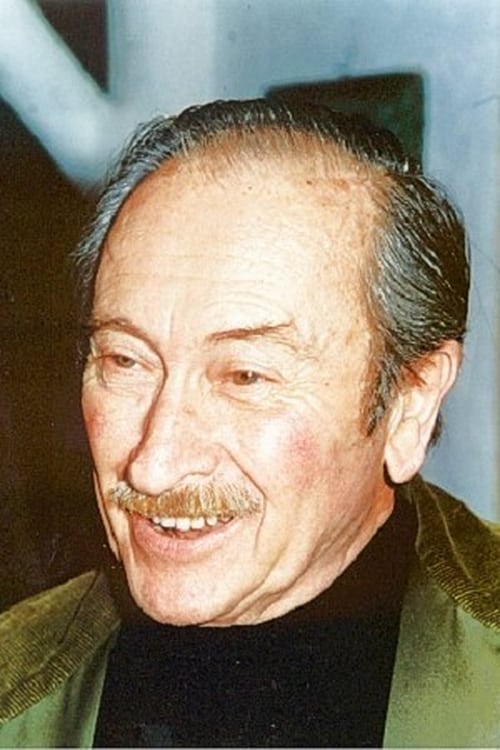
León Klimovsky
From Wikipedia, the free encyclopedia. León Klimovsky (16 October 1906–8 April 1996) was an Argentine film director. A trained dentist, born in Buenos Aires, his real passion was always the cinema. He pioneered Argentine cultural movement known as cineclub and financed the first movie theater to show art movies. He also founded Argentina's first film club in 1929. After participating as scriptwriter and assistant director of 1944's Se abre el abismo he filmed his first movie, an adaptation of Fyodor Dostoyevsky's The Player. From this first phase, it can be also highlighted the adaptations of Alexandre Dumas' The Count of Monte Cristo and Ernesto Sabato's The Tunnel. On the 1950s Klimovsky settled in Spain, where he becomes a "professional" director. He went into spaghetti westerns and so-called exploitation films, filming in Mexico, Italy and Egypt. Perhaps he is best remembered for his contribution to Spain's horror film genre, beginning with La noche de Walpurgis. León Klimovsky confessed to have always dreamt of doing great vanguard movies but ended on filming commercial ones, but without remorse, as doing cinema was a vocational mandate for him. On 1995 he won the "Honor Award" of the Spanish Film Director Association. He died in Madrid of a heart attack. He was brother to the Argentine mathematician and philosopher Gregorio Klimovsky. Description above from the Wikipedia article León Klimovsky, licensed under CC-BY-SA, full list of contributors on Wikipedia.
León Klimovsky Dulfán war ein argentinischer Filmregisseur, Drehbuchautor und Produzent. Er war Pionier der argentinischen Kulturbewegung Cineclub und finanzierte das erste argentinische Kino, das Kunstfilme zeigte. 1929 gründete er außerdem Argentiniens ersten Filmclub. Nachdem er 1944 als Drehbuchautor und Regieassistent an „Se abre el abismo“ mitgewirkt hatte, drehte er seinen ersten Film, eine Adaption von Fjodor Dostojewskis „Der Spieler“. Er arbeitete außerdem an Adaptionen von Alexandre Dumas‘ „Der Graf von Monte Christo“ und Ernesto Sabatos „Der Tunnel“. In den 1950er Jahren ließ sich Klimovsky in Spanien nieder, wo er hauptberuflich als Regisseur arbeitete. Er drehte zahlreiche Italowestern, Eurokriegs- und Exploitationfilme in Mexiko, Italien, Spanien und Ägypten. Horrorfilmfans erinnern sich vor allem an seine Beiträge zum spanischen Horrorfilmgenre, beginnend mit „Nacht der Vampire“, dem Film, der 1971 den spanischen Horrorfilmboom der 1970er Jahre ausgelöst hat. Klimovsky führte in den 1970er Jahren bei nicht weniger als neun Filmen Regie mit der berühmten spanischen Horror-Ikone Paul Naschy und führte auch bei anderen klassischen Horrorfilmen Regie.
León Klimovsky Dulfán (Buenos Aires, 16 de octubre de 1906 - Madrid, 8 de abril de 1996) fue un director de cine argentino. Graduado en odontología, la verdadera pasión de Klimovsky fue el cine. Fue pionero del cineclub en Argentina, financiando el primer local de proyección de cine arte. Klimovsky emigra a mediados de los años cincuenta a España, donde continúa su carrera con un total eclecticismo temático; se convierte en un director de cine "profesional". Incursionó en el spaghetti western y en los llamados exploitation films (de "explotación comercial"), y filmó en México, Italia y Egipto. Quizás se lo recuerde fundamentalmente por su contribución al cine de terror español, comenzando con La noche de Walpurgis. Fue galardonado en 1995 con el premio de honor de la Asociación de Directores de España.
Directing (75)
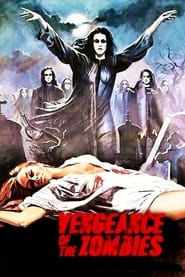
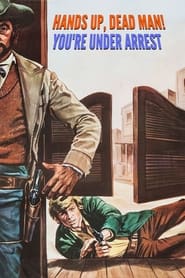
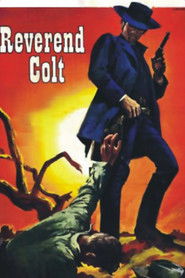
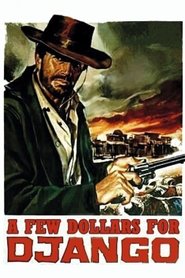
… and 15 more