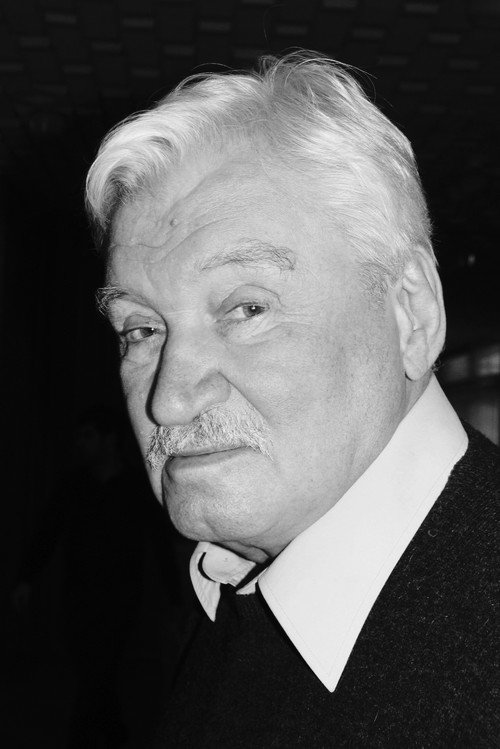
Igor Maslennikov
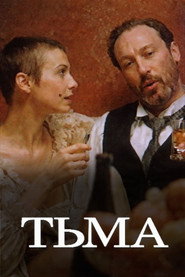
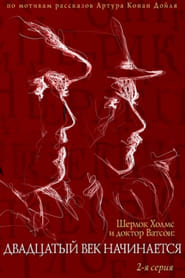
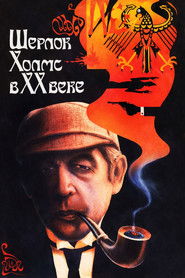
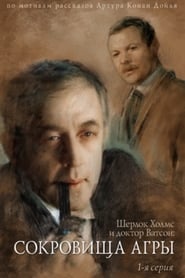
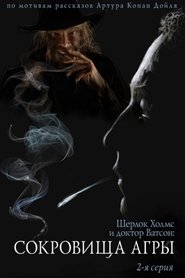
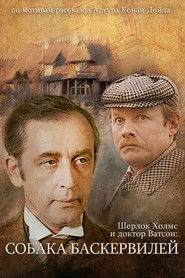
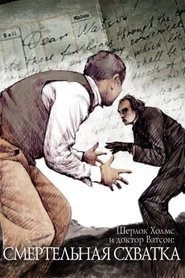
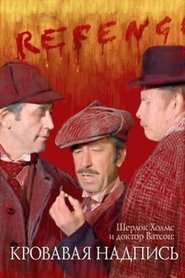
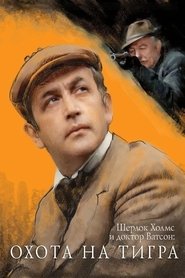
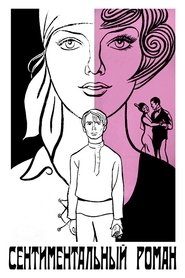
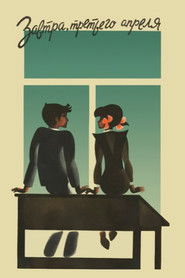
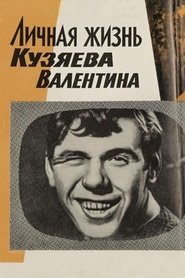
Igor Fyodorovich Maslennikov (Russian: Игорь Фёдорович Масленников; 26 October 1931 – 17 September 2022; Nizhny Novgorod) was a Soviet and Russian film director. Maslennikov was born in Nizhny Novgorod. In 1954 he completed his education in the department of journalism of the Leningrad University and worked as an editor, script writer, and cameraman on Leningrad television. In 1965 he entered the Higher Directors' Courses of Lenfilm (Grigori Kozintsev's workshop), at end of which he became the director of this motion picture studio. In the cinema, Maslennikov made his debut at the end of the 1960s with a film about a senior pupil: the Personal Life of Kuzyaev Valentin. He directed children's films (Tomorrow and 3 April), movies about sports (Racers), historical costume-dramas (Yaroslavna, the Queen of France). He worked on the joint Soviet-Norwegian picture Under a Stone Sky, which narrates the sad events which occurred in one of the Norwegian towns during the Nazi occupation. He filmed Vera Panova's autobiographical Sentimental novel. Enormous success came to Maslennikov when he directed a cycle of films about Sherlock Holmes and Doctor Watson. The successful selection of the actors, among whom there were Vasily Livanov, Vitaly Solomin, Boryslav Brondukov, Rina Zelyonaya, Nikita Mikhalkov and the outstanding talent of the director ensured audience's love of the film. In 1985 Maslennikov presented the melodrama Winter Cherry. The movie became one of the greatest blockbusters of the decade and gained Yelena Safonova a wide reputation. The special feature of this everyday melodrama was that for the first time the spectator saw on the screen a strong but misunderstood woman played by Safonova. The popularity of this film inspired Maslennikov to create sequels in 1990 and 1995 and the same-name TV-series in 1997. In 1989 Maslennikov filmed the television adventure picture Philipp Traum, based on the unfinished Mark Twain novel The Mysterious Stranger. The cinema version was named Chronicle of Satan Jr.. He made a co-production with French partners, filming the story of Leonid Andreyev (The Dark), where the main roles were played by Oleg Yankovsky and Kseniya Kachalina. The year 2000 saw the release of the 10 series of Chto skazal pokoynik (What Has the Deceased Said) (2000) after the popular Polish writer Ioanna Khmelevskaya, and start of the filming of Vospominaniya o Sherloke Kholmse (The Memoirs of Sherlock Holmes), which united all the five famous Sherlock Holmes films with a single plotline. In 2001 he was a member of the jury at the 23rd Moscow International Film Festival. Maslennikov became People's Artist of the RSFSR in 1988. In 2001 he received the State Prize of the Russian Federation. By his 75th birthday in 2006 Igor Maslennikov finished his book of memoirs under the title The Baker Street in Petrogradskaya.
Игорь Масленников - режиссёр, сценарист, актёр. Заслуженный деятель искусств РСФСР (18.01.1979). Народный артист РСФСР (16.10.1987). Окончил журналистский факультет ЛГУ (1954) по двум специальностям - филолог и журналист, Высшие курсы кинорежиссёров при «Ленфильме» (1967, мастерская Г.М. Козинцева). После окончания университета работал в газете, до 1965 года работал редактором, сценаристом, художником, автором-оператором Ленинградского телевидения (выпускал тележурнал «Молодой ленинградец», работал над телеспектаклями). В 32 года стал главным редактором литературно-драматического вещания (1963-1965). Первые художественные работы на телевидении Игорь Фёдорович выполнял в качестве сценографа. Это началось в 1959 году, когда режиссер Алексей Рессер из детской редакции, увидев его рисунки, предложил ему придумать декорации к «Приключениям Жакони» – маленькой забавной обезьянки. Позднее он оформил телеспектакли «Крестьянка из Хетафе» Лопе де Вега (1961, режиссёр П. Вайсбрем), «Журавлиные перья» Д. Киноситы (1961, режиссёр В. Горлов), «Человек из Стратфорда» С. Алёшина (режиссёр И. Владимиров), «Женихи и ножи» по ранним опереттам И. Дунаевского (1962, режиссёр В. Васильев), «Гром на улице Платанов» Р. Роуза (1962, режиссёр Г. Товстоногов), «Шпильки» (1962, режиссёр Р. Агамирзян), «Мститель» по роману Г. Вайзенборна (1963, режиссёр Г. Товстоногов), «Рембрандт» Д. Кедрина (режиссёры Е. Копелян, Л. Пчелкин), «Два брата» М. Лермонтова (1964, режиссёр И. Ермаков). К слову, именно на телевидении Масленников первый предложил фотодекорации – в спектакле Г. Товстоногова «Гром на улице Платанов». Как художник он также сделал спектакли «Пасынок» К. Финна (1960, режиссер Л. Цуцульковский) в Малом драматическом театре на Литейном, «Интервенция» К. Славина (1962, режиссёр Л. Цуцульковский) в ДК имени Горького, «Перед ужином» (1963, режиссёры Г. Товстоногов и В. Голиков) в Большом драматическом театре, «Улыбнись, Света!» (1964, режиссёр А. Белинский) в Ленинградском театре музыкальной комедии. С 1967 года - режиссёр киностудии «Ленфильм». С 1987 года - художественный руководитель Третьего творческого объединения киностудии «Ленфильм» (ныне студия «Троицкий мост»), с 1990 года - президент студии «Троицкий мост». В 1990 году на учредительном съезде Союза кинематографистов России был избран его председателем. В 1999-2004 являлся Первым секретарём Союза кинематографистов России. С 1996 года возглавлял мастерскую режиссуры художественного кино в Санкт-Петербургском университете кино и телевидения; с 2002 года вёл режиссерскую мастерскую во ВГИКе. Профессор. Академик Российской академии кинематографических искусств, Евразийской академии телевидения и радио.
Directing (28)




Acting (5)
Writing (11)