H.M. Walker
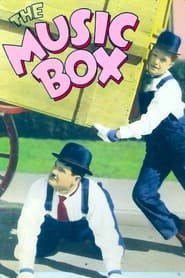
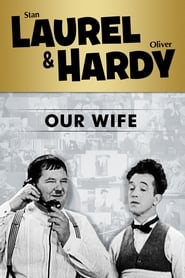
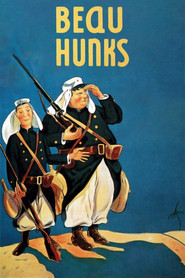
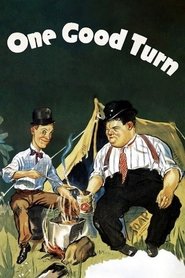
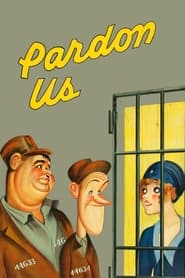
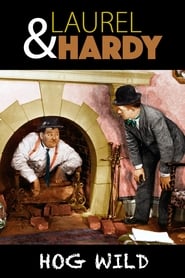
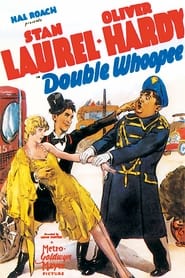
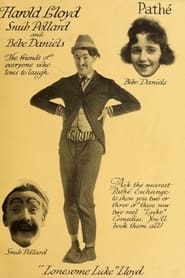
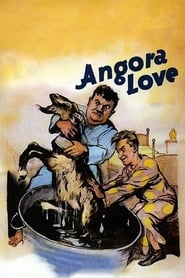
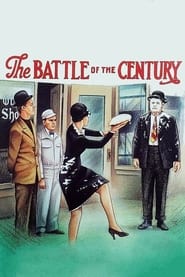
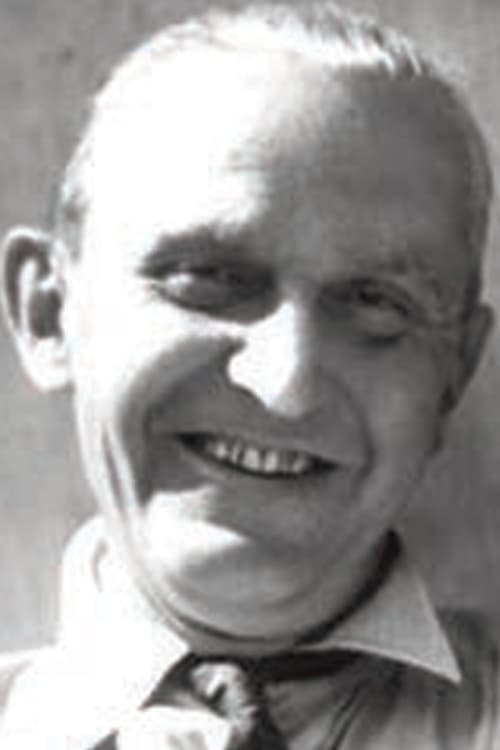
WALKER, H.M. (Harley Marquis Walker) started as a telegrapher, tapping out the descriptions of sportswriters at boxing matches and sending them to the offices of their newspapers. In 1903 he became a sportswriter himself and wrote a column, “The Wisdom of Blinkey Ben,” for the Los Angeles Examiner before joining Roach in 1917 as a part-time scenario and title writer for Harold Lloyd. In 1920, he left newspaper work and joined Roach full time as head of the editorial department. A brilliant title writer in the silent era, Walker was less skilled at dialogue; he was credited for providing these elements on more than 350 Roach comedies. He usually came up with the title for each film and also wrote fairly severe critiques after each preview. After leaving Roach in 1932 he wrote dialogue for some features, including Son of a Sailor (1933) with Joe E. Brown, W.C. Fields’ The Old Fashioned Way (1934), and the ZaSu Pitts picture Affair of Susan (1935). Walker died in the home of his good friend Leroy Shield, who had written scores at the Roach lot in 1930 and ’31. Died June 23, 1937, Chicago, Illinois, age 58; of a heart attack. From Wikipedia, the free encyclopedia Harley M. "Beanie" Walker (June 27, 1878 – June 23, 1937) was a member of the Hal Roach movie production company from 1916 until his resignation in 1932. The title cards he wrote for Harold Lloyd, Charley Chase, Our Gang and Laurel and Hardy comedies "have entered legend, both for silent films, and as opening remarks for the earlier talkies." He was also an officer of the Roach Studio corporation. On Roach's "Lot of Fun", script development usually started with meetings among the gag men, who would develop what was known as an "action script": the outline of the story and a description of the scenes and some of the sight gags, which generally would run three to six legal-size pages. This document would then pass to Walker, the head of the editorial department, which oversaw not only script editing, but film editing as well. Walker usually came up with the title of each film, wrote "brilliantly witty" title cards which would be produced and inserted into the film, and wrote a critique before the picture went out to the distributors, Pathé Exchange, or later, M-G-M. Walker's writing did not transition well to talkies and by 1931 he had left Roach studio and wrote dialogue for comedies produced by ex-Roach general manager Warren Doane at Universal Pictures. Later, he worked at Paramount Pictures, where he contributed to the W. C. Fields picture The Old Fashioned Way (1934).
沃克(H.M.沃克,全名哈利·马奎斯·沃克)最初是一名电报员,负责在拳击比赛中敲击出体育记者的报道并发送至报社办公室。1903年,他转型为体育记者,在《洛杉矶考察家报》开设专栏"布林基·本的智慧"。1917年加入罗奇公司,成为哈罗德·劳埃德的兼职剧本与字幕撰稿人。1920年他正式离开报社,全职担任罗奇公司编辑部主任。作为默片时代杰出的字幕撰稿人,沃克在对话创作方面稍逊一筹,但累计为350多部罗奇喜剧提供了关键文本元素。他通常负责拟定影片片名,并在每次试映后撰写严谨的影评。1932年离开罗奇后,他为多部故事片创作对白,包括与乔·E·布朗合作的《水手之子》(1933)、W.C.菲尔兹主演的《老派作风》(1934)以及扎苏·皮茨主演的《苏珊事件》(1935)。1937年6月23日,沃克在挚友勒罗伊·希尔德的芝加哥寓所因心脏病逝世,享年58岁。
Writing (34)