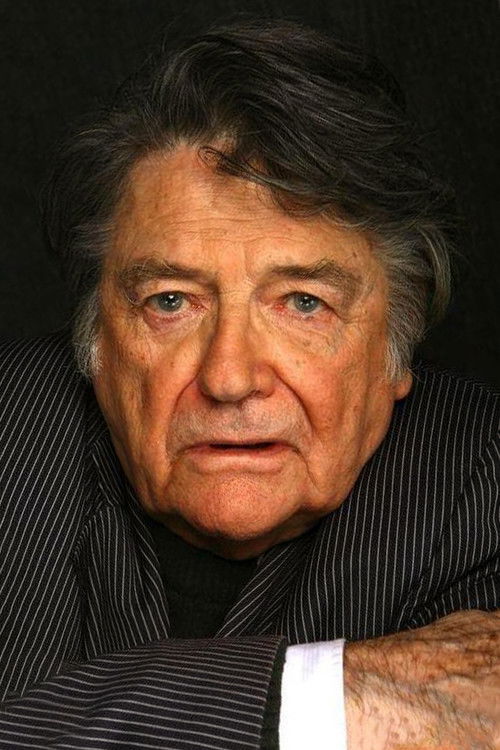
Jean-Pierre Mocky
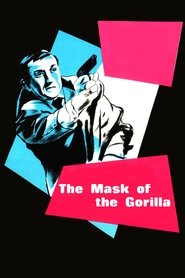
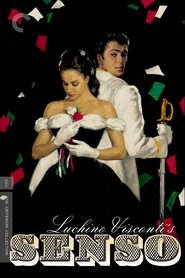
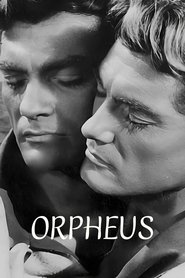
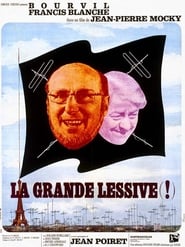
Jean-Pierre Mocky (6 July 1929 – 8 August 2019), pseudonym of Jean-Paul Adam Mokiejewski, was a French film director, actor, screenwriter and producer. Mocky was born in Nice, France to Polish immigrant parents, Jeanne Zylinska and Adam Mokiejewski. His father was Jewish and his mother was Catholic. Mocky appeared as an actor in the 1955 film Gli Sbandati and in many other movies, including some of those he also directed (Solo, L'albatros, L'Ombre d'une chance, Un Linceul n'a pas de poches). His 1987 film Le Miraculé was entered into the 37th Berlin International Film Festival. He began as an actor in the cinema and theater. In particular, he played in Jean Dréville's Les Casse-pieds (1948), Jean Cocteau's Orphée (1950) and Bernard Borderie's The Mask of the Gorilla (1957). But it was especially in Italy that he became famous, thanks to his role in I vinti by Michelangelo Antonioni. After working as an assistant with Luchino Visconti on Senso (1954) and Federico Fellini on La strada (1954), he wrote his first film, La Tête contre les murs (1959) and planned to direct it himself, but the producer preferred to entrust the task to Georges Franju. He went on to direct the following year with Les Dragueurs (1959). Since then, he has never stopped shooting. As early as the 1960s, he was able to reach a wide audience with crazy comedies such as A Funny Parishioner (1963) and La Grande Lessive (1968). After May 1968, he turned to darker films with Solo (1969), in which he shows a group of young terrorists of the extreme left, then L'Albatros (1971) which shows the corruption of politicians. In the 1980s, he returned to success with a film denouncing, a year before the drama of Heysel, the excesses of some football fans (À mort l'arbitre, 1984) and a comedy denouncing the hypocrisy around the pilgrimage to Lourdes (Le Miraculé, 1987). In the 1990s and 2000s, his films met with less success, but Mocky continued to shoot with much enthusiasm. In the beginning, his films were dedicated to the uprising against the restrictions imposed by society. Later, he concentrated on farce, as in Bonsoir where the homeless Alex (Michel Serrault) pretends to be the lover of the lesbian Caroline (Claude Jade) in order to save her inheritance from her homophobic relatives. Mocky's cinema, often satirical and pamphleteer, is generally inspired by the truth of society. He worked with few resources and filmed very quickly. He worked with Bourvil (A Funny Parishioner, The City of Unspeakable Fear, La Grande Lessive and The Stallion), Fernandel (The Exchange and Life), Michel Simon (The Red Ibis), Michel Serrault (twelve films including Le Miraculé), Francis Blanche (five films including The City of Unspeakable Fear), Jacqueline Maillan (five films), Jean Poiret (eight films) and with the stars Catherine Deneuve (Agent Trouble), Claude Jade (Bonsoir), Jane Birkin (Noir comme le souvenir), Jeanne Moreau (Le Miraculé) and Stéphane Audran (The Seasons of Pleasure). In 2010, he received the Prix Henri-Langlois for his entire career and the 2013 Alphonse Allais Prize. The International Festival of Film Entrevues in Belfort in 2012 and the Cinémathèque française in 2014 dedicated full retrospectives to him. He died on 8 August 2019. Source: Article "Jean-Pierre Mocky" from Wikipedia in English, licensed under CC-BY-SA 3.0.
Jean-Pierre Mocky (6. Juli 1929 – 8. August 2019), Pseudonym von Jean-Paul Adam Mokiejewski, war ein französischer Filmregisseur, Schauspieler, Drehbuchautor und Produzent. Mocky wurde in Nizza als Sohn polnischer Einwanderer, Jeanne Zylinska und Adam Mokiejewski, geboren. Sein Vater war Jude, seine Mutter Katholikin. Mocky wirkte 1955 in dem Film „Gli Sbandati“ mit und spielte in zahlreichen weiteren Filmen, darunter auch einige, bei denen er Regie führte („Solo“, „L'albatros“, „L'Ombre d'une chance“, „Un Linceul n'a pas de poches“). Sein Film „Le Miraculé“ aus dem Jahr 1987 lief im Wettbewerb der 37. Internationalen Filmfestspiele Berlin. Er begann seine Karriere als Schauspieler im Film und Theater. Insbesondere spielte er in Jean Drévilles „Les Casse-pieds“ (1948), Jean Cocteaus „Orphée“ (1950) und Bernard Borderies „Die Maske des Gorillas“ (1957). Berühmt wurde er jedoch vor allem in Italien durch seine Rolle in Michelangelo Antonionis „I vinti“. Nachdem er als Regieassistent bei Luchino Visconti an „Senso“ (1954) und Federico Fellini an „La strada“ (1954) gearbeitet hatte, schrieb er sein erstes Drehbuch, „La Tête contre les murs“ (1959), und plante, selbst Regie zu führen. Der Produzent übertrug die Regie jedoch lieber Georges Franju. Im darauffolgenden Jahr führte er dann bei „Les Dragueurs“ (1959) Regie. Seitdem hat er ununterbrochen gedreht. Bereits in den 1960er Jahren erreichte er mit schrägen Komödien wie „A Funny Parishioner“ (1963) und „La Grande Lessive“ (1968) ein breites Publikum. Nach dem Mai 1968 wandte er sich mit „Solo“ (1969), in dem er eine Gruppe junger linksextremer Terroristen porträtiert, und „L'Albatros“ (1971), der die Korruption von Politikern thematisiert, düstereren Filmen zu. In den 1980er Jahren feierte er mit einem Film, der ein Jahr vor der Heysel-Katastrophe die Exzesse einiger Fußballfans anprangerte („À mort l'arbitre“, 1984), und einer Komödie, die die Heuchelei rund um die Lourdes-Pilgerfahrt entlarvte („Le Miraculé“, 1987), ein Comeback. In den 1990er und 2000er Jahren blieben seine Filme hinter den Erwartungen zurück, doch Mocky drehte weiterhin mit großem Enthusiasmus. Anfangs widmete er seine Filme dem Aufbegehren gegen gesellschaftliche Zwänge. Später konzentrierte er sich auf die Farce, wie in „Bonsoir“, wo der obdachlose Alex (Michel Serrault) vorgibt, der Geliebte der lesbischen Caroline (Claude Jade) zu sein, um ihr Erbe vor ihren homophoben Verwandten zu retten. Mockys Kino, oft satirisch und streitbar, ist im Allgemeinen von der Realität der Gesellschaft inspiriert. Er arbeitete mit wenigen Mitteln und drehte sehr schnell. Er arbeitete mit Bourvil (Ein lustiger Gemeindemitglied, Die Stadt der unaussprechlichen Angst, Die große Lessive und Der Hengst), Fernandel (Der Tausch und Das Leben), Michel Simon (Der rote Ibis), Michel Serrault (zwölf Filme, darunter Le Miraculé), Francis Blanche (fünf Filme, darunter Die Stadt der unaussprechlichen Angst), Jacqueline Maillan (fünf Filme), Jean Poiret (acht Filme) und mit den Stars Catherine Deneuve (Agent Trouble), Claude Jade (Bonsoir), Jane Birkin (Noir comme le souvenir), Jeanne Moreau (Le Miraculé) und Stéphane Audran (Die Jahreszeiten der Freude) zusammen. ... Er starb am 8. August 2019.
Franc-tireur du cinéma français, ardent défenseur du cinéma populaire, personnage fort en "gueule", Jean-Pierre Mocky débute en tant qu'acteur dans le film Vive la Liberté, en 1946, mais ne devient véritablement célèbre qu'en interprétant le poète (non-crédité) d'Orphee (1949) de Jean Cocteau. Suivent, entres autres, son rôle d'Albert de Morcerf dans Le Comte de Monte-Cristo (1955), et celui de François Gérane dans La Tête contre les murs de Georges Franju (1958), film dont il écrit le scénario et qu'il voulait à la base réaliser lui même. Au théâtre, on l'aperçoit également dans Le Roi Pêcheur, de Julien Gracq, en 1955.
让-皮埃尔·莫基(1929年7月6日—2019年8月8日),本名让-保罗·亚当·莫基耶夫斯基,法国电影导演、演员、编剧及制片人。 莫基出生于法国尼斯,父母为波兰移民,父亲是犹太人,母亲信奉天主教。1955年,他出演电影《迷途者》开启演艺生涯,此后参演并执导了多部影片,包括《独行杀手》《信天翁》《机缘魅影》《寿衣无口袋》等。其1987年作品《奇迹创造者》曾入围第37届柏林国际电影节。 他最初以戏剧和电影演员身份活跃于艺坛,曾参演让·德雷维尔的《讨厌鬼》(1948)、让·科克托的《奥菲斯》(1950)以及贝尔纳·博尔德里执导的《猩猩面具》(1957)。而真正令他声名鹊起的是在意大利出演米开朗基罗·安东尼奥尼的《失败者》。 在担任卢基诺·维斯康蒂《战国妖姬》(1954)和费德里科·费里尼《大路》(1954)的助理导演后,他于1959年创作了首部电影剧本《头撞墙》,原计划亲自执导,但制片人最终选择由乔治·弗朗叙执导。次年他独立执导了《猎艳者》(1959),从此开启不间断的创作生涯。 早在1960年代,他便凭借《古怪的教徒》(1963)、《大清洗》(1968)等荒诞喜剧赢得大众市场。1968年五月风暴后,其作品转向暗黑风格:《独行杀手》(1969)刻画极左翼青年恐怖分子群体,《信天翁》(1971)则揭露政客腐败现象。 1980年代,他凭借批判现实的作品重获成功:在海瑟尔惨案发生前一年,以《裁判该死》(1984)抨击足球流氓的暴行;又以《奇迹创造者》(1987)讽刺卢尔德朝圣背后的伪善现象。1990年代至2000年代,其作品反响有所减弱,但莫基始终保持着旺盛的创作热情。 早期作品聚焦反抗社会规训,后期则侧重荒诞讽刺,如《晚安》中无家可归者亚历克斯(米歇尔·塞罗饰)假扮女同性恋卡洛琳(克洛德·雅德饰)的恋人,助其对抗恐亲族以保全遗产。 莫基的电影常具社会讽刺与论战色彩,多取材现实议题。他以低成本快速拍摄著称,曾与布尔维尔(合作《古怪的教徒》《无言恐惧》《大清洗》《种马》)、费尔南德尔(《交换与人生》)、米歇尔·西蒙(《红鹮》)、米歇尔·塞罗(合作12部影片含《奇迹创造者》)、弗朗西斯·布朗什(合作5部影片含《无言恐惧》)、雅克利娜·马耶兰(合作5部影片)、让·波莱(合作8部影片)等演员多次合作,更与凯瑟琳·德纳芙(《麻烦代理人》)、克洛德·雅德、简·伯金(《往昔如晦》)、让娜·莫罗(《奇迹创造者》)、斯特凡·奥德朗(《欢愉之季》)等巨星有过精彩碰撞。 2010年,他荣获亨利·朗格卢瓦终身成就奖,2013年获阿尔方斯·阿莱斯奖。2012年贝尔福国际电影节与2014年法国电影资料馆均为其举办完整作品回顾展。 2019年8月8日,让-皮埃尔·莫基与世长辞。
讓 - 皮埃爾·莫基(1929 年 7 月 6 日 — 2019 年 8 月 8 日),本名讓 - 保羅·亞當·莫基耶夫斯基,法國電影導演、演員、編劇及制片人。 莫基出生於法國尼斯,父母為波蘭移民,父親是猶太人,母親信奉天主教。1955 年,他出演電影《迷途者》開啓演藝生涯,此後參演並執導了多部影片,包括《獨行殺手》《信天翁》《機緣魅影》《壽衣無口袋》等。其 1987 年作品《奇跡創造者》曾入圍第 37 屆柏林國際電影節。 他最初以戲劇和電影演員身份活躍於藝壇,曾參演讓·德雷維爾的《討厭鬼》(1948)、讓·科克托的《奧菲斯》(1950)以及貝爾納·博爾德裏執導的《猩猩面具》(1957)。而真正令他聲名鵲起的是在意大利出演米開朗基羅·安東尼奧尼的《失敗者》。 在擔任盧基諾·維斯康蒂《戰國妖姬》(1954)和費德裏科·費裏尼《大路》(1954)的助理導演後,他於 1959 年創作了首部電影劇本《頭撞牆》,原計劃親自執導,但制片人最終選擇由喬治·弗朗敘執導。次年他獨立執導了《獵艷者》(1959),從此開啓不間斷的創作生涯。 早在 1960 年代,他便憑借《古怪的教徒》(1963)、《大清洗》(1968)等荒誕喜劇贏得大眾市場。1968 年五月風暴後,其作品轉向暗黑風格:《獨行殺手》(1969)刻畫極左翼青年恐怖分子群體,《信天翁》(1971)則揭露政客腐敗現象。 1980 年代,他憑借批判現實的作品重獲成功:在海瑟爾慘案發生前一年,以《裁判該死》(1984)抨擊足球流氓的暴行;又以《奇跡創造者》(1987)諷刺盧爾德朝聖背後的偽善現象。1990 年代至 2000 年代,其作品反響有所減弱,但莫基始終保持着旺盛的創作熱情。 早期作品聚焦反抗社會規訓,後期則側重荒誕諷刺,如《晚安》中無家可歸者亞歷克斯(米歇爾·塞羅飾)假扮女同性戀卡洛琳(克洛德·雅德飾)的戀人,助其對抗恐親族以保全遺產。 莫基的電影常具社會諷刺與論戰色彩,多取材現實議題。他以低成本快速拍攝著稱,曾與布爾維爾(合作《古怪的教徒》《無言恐懼》《大清洗》《種馬》)、費爾南德爾(《交換與人生》)、米歇爾·西蒙(《紅䴉》)、米歇爾·塞羅(合作 12 部影片含《奇跡創造者》)、弗朗西斯·布朗什(合作 5 部影片含《無言恐懼》)、雅克利娜·馬耶蘭(合作 5 部影片)、讓·波萊(合作 8 部影片)等演員多次合作,更與凱瑟琳·德納芙(《麻煩代理人》)、克洛德·雅德、簡·伯金(《往昔如晦》)、讓娜·莫羅(《奇跡創造者》)、斯特凡·奧德朗(《歡愉之季》)等巨星有過精彩碰撞。 2010 年,他榮獲亨利·朗格盧瓦終身成就獎,2013 年獲阿爾方斯·阿萊斯獎。2012 年貝爾福國際電影節與 2014 年法國電影資料館均為其舉辦完整作品回顧展。 2019 年 8 月 8 日,讓 - 皮埃爾·莫基與世長辭。
Directing (69)

… and 9 more
Acting (52)



Crew (80)
… and 20 more
Writing (65)
… and 5 more