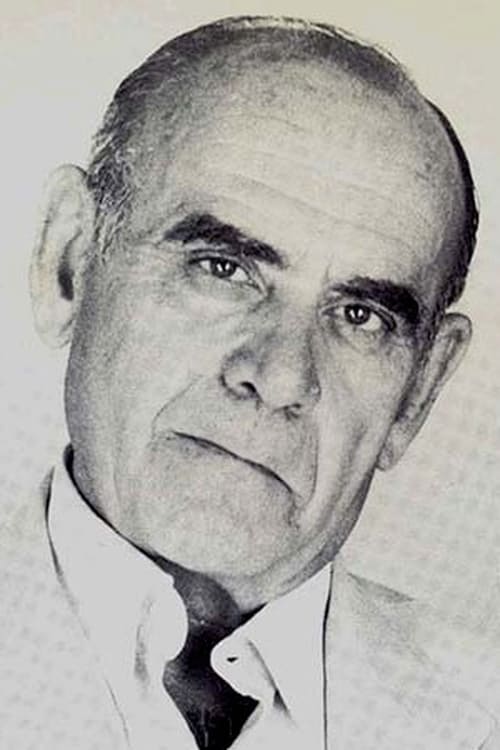
Vittorio Caprioli
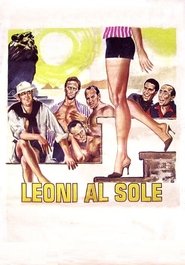
Vittorio Caprioli (15 August 1921 – 2 October 1989) was an Italian film actor, film director and screenwriter. He appeared in 109 films between 1946 and 1990, mostly in French productions. He was born and died in Naples, Italy. Caprioli was born in Naples. Having graduated from the Accademia Nazionale di Arte Drammatica Silvio D'Amico in Rome, he made his stage debut in 1942 in the Carli-Racca company. From 1945, he began his collaboration with the Italian public broadcaster, RAI, often together with Luciano Salce, creating magazine and variety programs. Arriving in 1948 at the Piccolo theatre in Milan, where under the direction of Giorgio Strehler he took part in William Shakespeare's The Tempest. At the beginning of 1950, he was cast alongside Alberto Bonucci and Gianni Cajafa for the Neapolitan Carosello musical theatrical work, directed by Ettore Giannini. A versatile interpreter, in 1950 he founded, with Bonucci and Franca Valeri the Teatro dei Gobbi, which proposed a subtly satirical type of show. In 1960, he married Valeri with whom he presented plays. They divorced in 1974. He appeared in cinema as a character actor and made his directorial debut in 1961 with Lions In the Sun, which was later selected to enter the list of the 100 Italian films to be saved. He followed this with Paris, My Love and then a segment of I cuori infranti which was shown as part of a retrospective on Italian comedy at the 67th Venice International Film Festival. The Splendors and Miseries of Madame Royale in 1970 was generally considered to be his best film. He continued to appear on stage in between his films and was occasionally tempted by television, where he began his career in 1959, but he never really loved the small screen ("I suffer more than anything because of the absence of the public, which I consider an integral and irreplaceable part of the show in which I participate"). In the Sixties he acted in Village Wooing, directed by Antonello Falqui, and in 1972 he let himself be tempted by a television variety show, which he wrote and interpreted, Una Serata con Vittorio Caprioli. In his last years he returned to theater interpreting, among others, Don Marzio in Carlo Goldoni's Bottega del caffè, The Sunshine Boys by Neil Simon paired with Mario Carotenuto, and Capocomico in Luigi Pirandello's Six Characters in Search of an Author. During the rehearsals of a interpretation of Napoli Milionaria, he died suddenly at the age of 68, in a room of one of the famous hotels on the promenade of Naples, struck down by a heart attack. Source: Article "Vittorio Caprioli" from Wikipedia in English, licensed under CC-BY-SA 3.0.
Vittorio Caprioli (Nàpols, Itàlia, 15 d’agost de 1921 - Nàpols, Itàlia, 2 d’octubre de 1989) va ser un actor, director i guionista cinematogràfic de nacionalitat italiana. Va actuar en 109 films entre 1946 i 1990.
Vittorio Caprioli (15. August 1921 – 2. Oktober 1989) war ein italienischer Filmschauspieler, Filmregisseur und Drehbuchautor. Zwischen 1946 und 1990 wirkte er in 109 Filmen mit, hauptsächlich in französischen Produktionen. Er wurde in Neapel geboren und starb dort auch. Caprioli wurde in Neapel geboren. Nach seinem Abschluss an der Accademia Nazionale di Arte Drammatica Silvio D'Amico in Rom gab er 1942 sein Bühnendebüt bei der Theatergruppe Carli-Racca. Ab 1945 arbeitete er für den italienischen öffentlich-rechtlichen Rundfunk RAI, oft zusammen mit Luciano Salce, und produzierte Magazin- und Unterhaltungssendungen. 1948 kam er ans Teatro Piccolo in Mailand, wo er unter der Regie von Giorgio Strehler in William Shakespeares „Der Sturm“ mitwirkte. Anfang 1950 spielte er neben Alberto Bonucci und Gianni Cajafa in dem neapolitanischen Musical „Carosello“ unter der Regie von Ettore Giannini. Als vielseitiger Interpret gründete er 1950 zusammen mit Bonucci und Franca Valeri das Teatro dei Gobbi, das ein subtil satirisches Theaterformat präsentierte. 1960 heiratete er Valeri, mit der er gemeinsam Theaterstücke aufführte. Die Ehe wurde 1974 geschieden. Er trat als Charakterdarsteller im Kino auf und gab 1961 mit „Lions in the Sun“ sein Regiedebüt. Der Film wurde später in die Liste der 100 zu rettenden italienischen Filme aufgenommen. Es folgten „Paris, My Love“ und ein Segment aus „I cuori infranti“, das im Rahmen einer Retrospektive italienischer Komödien bei den 67. Internationalen Filmfestspielen von Venedig gezeigt wurde. Sein Film „Die Herrlichkeit und das Elend der Madame Royale“ aus dem Jahr 1970 gilt allgemein als sein bester. Zwischen seinen Filmen stand er weiterhin auf der Bühne und wurde gelegentlich vom Fernsehen gelockt, wo er 1959 seine Karriere begonnen hatte. Doch er konnte sich nie wirklich für das Fernsehen begeistern („Ich leide am meisten unter der Abwesenheit des Publikums, das ich als integralen und unersetzlichen Bestandteil der Show betrachte, an der ich mitwirke“). In den 1960er-Jahren spielte er in Antonello Falquis „Village Wooing“ mit, und 1972 ließ er sich von einer Fernseh-Varietéshow verführen, für die er das Drehbuch schrieb und in der er auch selbst auftrat: „Una Serata con Vittorio Caprioli“. In seinen letzten Jahren kehrte er zum Theater zurück und verkörperte unter anderem Don Marzio in Carlo Goldonis „Bottega del caffè“, Neil Simons „The Sunshine Boys“ an der Seite von Mario Carotenuto und Capocomico in Luigi Pirandellos „Sechs Personen suchen einen Autor“. Während der Proben zu einer Interpretation von Napoli Milionaria starb er plötzlich im Alter von 68 Jahren in einem Zimmer eines der berühmten Hotels an der Promenade von Neapel an einem Herzinfarkt.
Actor, director y guionista cinematográfico italiano nacido en Nápoles. Actuó en 109 filmes entre 1946 y 1989. Estudió en la Academia Nacional de Arte Dramático de Roma, donde se graduó, iniciando inmediatamente en 1942 una carrera teatral en la compañía Carli-Racca. También actuó en revistas y en comedias musicales, y en 1950, un año excepcional en su carrera, fundó con los actores Alberto Bonnucci y Franca Valeri, con la que después se casó, Teatro dei Gobbi, en el cual propusieron espectáculos sutilmente satíricos, actuando en piezas espontáneas y desprovistas de textos escritos. Caprioli actuó por vez primera en el cine en el film de Giacomo Gentilomo O sole mio (1946). Sin embargo, la mayoría de las filmografías sitúan su verdadero debut en el cine en la primera producción de Federico Fellini con Alberto Lattuada, Luces de variedades, en la cual interpretó, bajo el nombre de Caprioli, un número cómico en un night-club. Después participó en la que fue la última cinta de Stan Laurel y Oliver Hardy, Atollo K, de Léo Joannon. En esa época Caprioli se dividía entre el teatro, en el que llenaba las salas, y el cine, con papeles todavía modestos, pero de calidad, como en Carosello napolitano y, sobre todo, en Zazie dans le métro, de Louis Malle (1960). En 1961 dirigió su primer film Leoni al sole, película en la que también actuaba. Dirigió en 1970 una película con un destacado guión, Madame Royale, en el cual se explora con sensibilidad e inteligencia la homosexualidad. En sus últimos años volvió al teatro, interpretando, entre otras piezas, obras de Carlo Goldoni, Neil Simon y Luigi Pirandello.
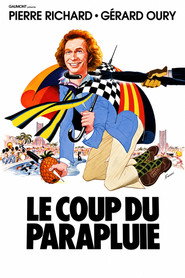
Vittorio Caprioli est un acteur, réalisateur et scénariste italien né le 15 août 1921 à Naples, ville où il est mort le 2 octobre 1989. Caprioli apparaît dans 109 films, surtout italiens mais également français, entre 1946 et 1990. Le grand public français le connaît notamment pour ses seconds rôles dans des films populaires à succès: le double rôle de l'éditeur Charron et de l’infâme colonel Karpov dans Le Magnifique (1973) de Philippe de Broca, ou Don Barberini dans Le Coup du parapluie (1980) de Gérard Oury. Vittorio Caprioli entre très tôt à l'Académie nationale d'art dramatique de Rome, d'où il sort diplômé et entame aussitôt sa carrière théâtrale en 1942 chez Carli-Racca dans une pièce de William Saroyan aux côtés de Vittorio De Sica, Nino Bezossi et Vivi Gioi. Dès sa première prestation, il affiche dans son jeu une certaine amertume, de l'ironie voire de l'agressivité, des traits de caractère qui vont aller crescendo tout au long de sa carrière de comédien. Il passe ensuite dans la compagnie du Piccolo Téatro de Milan avec lequel en 1948 il participe, sous la direction de Giorgio Strehler, à la pièce de William Shakespeare, La tempête et immédiatement après en 1949 dans celle de Carlo Gozzi, Il corvo. Vittorio Caprioli se risque aussi dans des revues puis dans des comédies musicales et l'année suivante, en 1950, une année phare pour sa carrière, il fonde avec le comédien Alberto Bonnucci et la comédienne Franca Valeri (qui devient sa femme par la suite), Le Téatro dei Gobbi. Lequel va proposer des spectacles subtilement satiriques, contenant des gags sournois, chafouins et des répliques mordantes, d'autant plus spontanées que ses pièces sont totalement dépourvues de textes écrits. Il apparaît pour la première fois au cinéma en 1946 dans le film de Giacomo Gentilomo, O sole mio, mais de manière si furtive que la plupart des filmographies situent ses véritables débuts au cinéma en 1950 dans la première réalisation de Fellini associé à Lattuada, Les Feux du music-hall (Luci del Varieta), sur le thème du monde du spectacle, dans lequel Caprioli donne une première composition remarquée en interprétant, sous le nom de «Caprioli», un numéro comique dans un night-club. Il enchaîne en 1951 dans ce qui sera le dernier film du duo comique Laurel et Hardy, Atoll K de Léo Joannon. À cette période, Caprioli se partage entre la scène où il fait salle comble et les plateaux de tournage, dans des rôles encore modestes mais de bonne composition comme en 1954 dans Le Carrousel fantastique (Carosello napolitano) et surtout dans Zazie dans le métro (1960) de Louis Malle. Entre-temps, il joue dans la pièce de Beckett En attendant Godot et signe sa première réalisation avec La Catacombe, dont le scénario est écrit par sa femme, Franca Valeri. Il se lance dans la réalisation en 1961 avec Leoni al sole (Lions au soleil), se mettant lui-même en scène dans une satire mordante et amère du vitellonisme de Fellini qui est, en fait, un mélange de nostalgie des vieux tréteaux de cirque misérable d'avant-guerre, et de l'ennui qu'éprouvent les curistes d'une station thermale très prisée de la Belle Époque (comme le fut la station de Vittel), qui donna son nom à la stylistique fellinienne. ... Source: Article "Vittorio Caprioli" de Wikipédia en français, soumis à la licence CC-BY-SA 3.0.
Acting (81)
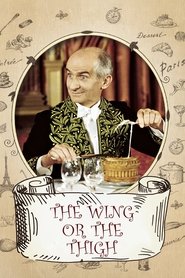


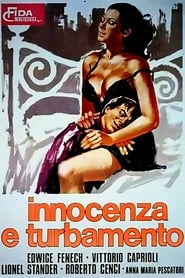
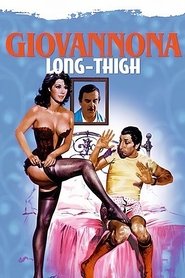
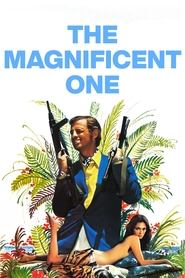
… and 21 more
Writing (8)
Directing (7)