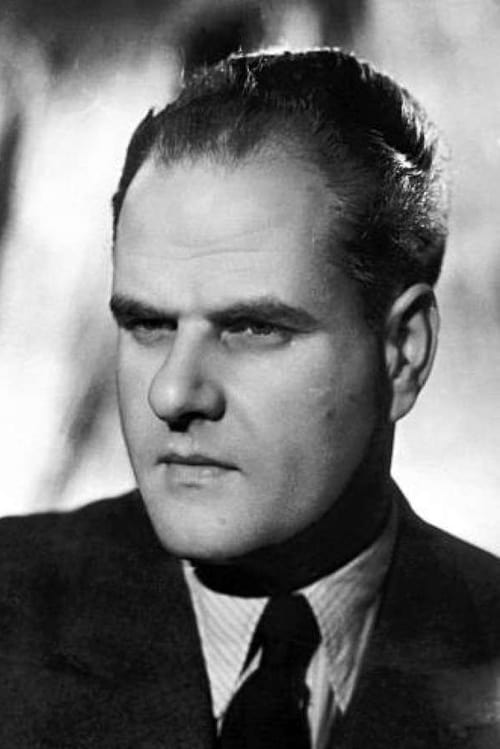
Jean Delannoy
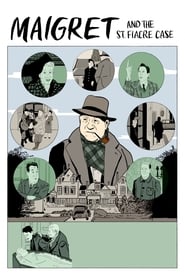
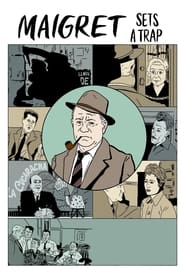
Jean Delannoy (12 January 1908 – 18 June 2008) was a French actor, film editor, screenwriter and film director. Although Delannoy was born in a Paris suburb, his family was from Haute-Normandie in the north of France. He was a Protestant, a descendant of Huguenots, some of whom fled the country during the French Wars of Religion, and settled first in Wallonia. Afterwards, their name became De la Noye and then Delano, who were on the second ship to immigrate to Plymouth, Massachusetts. He was a student in Paris when he began acting in silent films. He eventually landed a job with Paramount Studios Parisian facilities, working his way up to head film editor. In 1934 he directed his first film and went on to a long career, both writing and directing. In 1946, his film about a Protestant minister titled La symphonie pastorale was awarded the Palme d'Or at the Cannes Film Festival. In 1960, his film, Maigret tend un piège was nominated for a BAFTA award for "Best Film from any Source". In recognition of his long service to the French motion picture industry, in 1986 Delannoy received an Honorary César Award. Delannoy died on 18 June 2008, at the age of 100. Source: Article "Jean Delannoy" from Wikipedia in English, licensed under CC-BY-SA 3.0.
Jean Delannoy (12. Januar 1908 – 18. Juni 2008) war ein französischer Schauspieler, Filmeditor, Drehbuchautor und Filmregisseur. Obwohl Delannoy in einem Pariser Vorort geboren wurde, stammte seine Familie aus der Haute-Normandie in Nordfrankreich. Er war Protestant und Nachkomme von Hugenotten, von denen einige während der Hugenottenkriege aus Frankreich flohen und sich zunächst in Wallonien niederließen. Später nannten sie sich De la Noye und schließlich Delano. Sie gehörten zu den zweiten Schiffen, die nach Plymouth, Massachusetts, auswanderten. Während seines Studiums in Paris begann er in Stummfilmen mitzuwirken. Schließlich erhielt er eine Anstellung bei den Paramount Studios in Paris und arbeitete sich dort zum Chefeditor hoch. 1934 führte er bei seinem ersten Film Regie und blickte auf eine lange Karriere als Drehbuchautor und Regisseur zurück. 1946 wurde sein Film „La symphonie pastorale“ über einen protestantischen Pfarrer mit der Goldenen Palme der Filmfestspiele von Cannes ausgezeichnet. Sein Film „Maigret stellt eine Falle“ wurde 1960 für einen BAFTA-Award in der Kategorie „Bester Film aller Zeiten“ nominiert. In Anerkennung seiner langjährigen Verdienste um die französische Filmindustrie erhielt Delannoy 1986 den Ehren-César. Delannoy starb am 18. Juni 2008 im Alter von 100 Jahren.
Jean Delannoy est un réalisateur et scénariste français, né le 12 janvier 1908 à Noisy-le-Sec et mort le 18 juin 2008 à Guainville (Eure-et-Loir). Ce cinéaste français a réalisé ses films les plus significatifs sous un patronage littéraire. Réalisateur de plusieurs mélodrames, il avait déjà connu le succès, notamment avec Pontcarral, colonel d'empire (1943), lorsqu'il put réaliser L'Éternel Retour (1943), avec la collaboration de Jean Cocteau. Plus tard, ce dernier adapte pour lui La Princesse de Clèves (1961). Au classicisme un peu froid de La Symphonie pastorale (1946), de Les jeux sont faits (d'après le scénario de Jean-Paul Sartre, 1947) ou de Maigret tend un piège (1958) ont succédé nombre de films académiques qui ont conduit leur réalisateur vers la télévision à partir de 1976, puis à tourner une trilogie purement hagiographique : Bernadette (1988), La Passion de Bernadette (1990) et Marie de Nazareth (1995). Le réalisateur fut souvent qualifié de représentant de la qualité française. Jean Delannoy est aussi connu pour ses films en costumes, dits «de cape et d'épée». Le 1er juin 1938, il épouse Juliette Geneste, avec qui il a une fille, Claire, née le 28 juin 1941. Le 12 janvier 2008, il fête ses 100 ans, et devient le doyen des cinéastes français, ayant connu l'âge d'or du cinéma français des années 1930 à 1940, et ayant débuté aux débuts du cinéma parlant, à partir de la fin des années 1920. Il meurt chez lui à Guainville (Eure-et-Loir) le 18 juin 2008, à l'âge de 100 ans. Il est inhumé au cimetière communal. Aujourd'hui, il existe un musée consacré à Jean Delannoy dans la ville de Bueil (département de l'Eure) tenu par sa fille Claire Delannoy. Il résume sa carrière et toutes ses collaborations autour d'expositions et de scénarios réhabilités. Source: Article "Jean Delannoy" de Wikipédia en français, soumis à la licence CC-BY-SA 3.0.
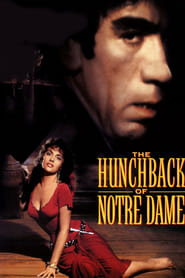
Жан Деланнуа - французский актёр, кинорежиссёр, сценарист, продюсер и монтажёр. Жан Деланнуа родился в предместьях Парижа, в семье гугенотов-протестантов, выходцев из Нормандии. Будучи студентом, снялся в 1920-х годах в нескольких фильмах, после стал режиссёром, к середине 1930-х став известным по европейским меркам. Получил Гран-при Каннского кинофестиваля, был номинантом на Золотую пальмовую ветвь. Наиболее известны фильмы - «Собор Парижской Богоматери» (1956), «Принцесса Клевская» (1961), «Двуспальная кровать» (1966), «Человек действия» (1967). В фильмах Жана Деланнуа снимались Жан-Луи Барро, Пьер Бланшар, Жан Габен, Мишель Морган, Жан Марэ, Марина Влади, Джина Лоллобриджида, Энтони Куинн, Ален Кюни, Жан-Франсуа Порон и другие известные актёры. В 1986 году за многолетний вклад во французское искусство кино Жан Деланнуа получил кинопремию Сезар. Жан Деланнуа умер в своём доме в Генвиле, департамент Эр и Луар, в возрасте 100 лет. Похоронен на городском кладбище.
Directing (50)




Acting (2)
Writing (29)
Crew (17)