Julio Cortázar
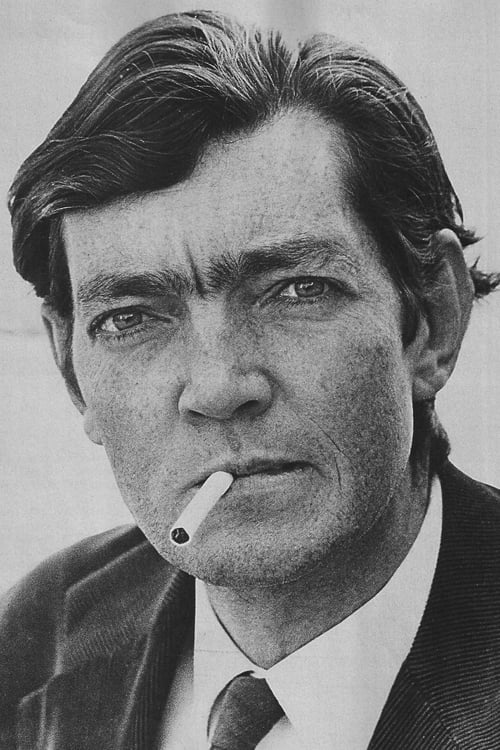
Julio Florencio Cortázar (26 August 1914 – 12 February 1984) was an Argentine, nationalized French novelist, short story writer, essayist, and translator. Known as one of the founders of the Latin American Boom, Cortázar influenced an entire generation of Spanish-speaking readers and writers in America and Europe. He is considered one of the most innovative and original authors of his time, a master of history, poetic prose and short story in general and a creator of important novels that inaugurated a new way of making literature in the Hispanic world by breaking the classical moulds through narratives that escaped temporal linearity. He lived his childhood and adolescence and incipient maturity in Argentina and, after the 1950s, in Europe. He lived in Italy, Spain, and in Switzerland. In 1951, he settled in France for more than three decades and composed some of his works there. Julio Cortázar was born on 26 August 1914, in Ixelles, a municipality of Brussels, Belgium. According to biographer Miguel Herráez, his parents, Julio José Cortázar and María Herminia Descotte, were Argentine citizens, and his father was attached to the Argentine diplomatic service in Belgium. At the time of Cortázar's birth, Belgium was occupied by the German troops of Kaiser Wilhelm II. After German troops arrived in Belgium, Cortázar and his family moved to Zürich where María Herminia's parents, Victoria Gabel and Louis Descotte (a French National), were waiting in neutral territory. The family group spent the next two years in Switzerland, first in Zürich, then Geneva, before moving for a short period to Barcelona. The Cortázars settled outside of Buenos Aires by the end of 1919. Cortázar's father left when Julio was six, and the family had no further contact with him. Cortázar spent most of his childhood in Banfield, a suburb south of Buenos Aires, with his mother and younger sister. The home in Banfield, with its back yard, was a source of inspiration for some of his stories. Despite this, in a letter to Graciela M. de Solá on 4 December 1963, he described this period of his life as "full of servitude, excessive touchiness, terrible and frequent sadness." He was a sickly child and spent much of his childhood in bed reading. His mother, who spoke several languages and was a great reader herself, introduced her son to the works of Jules Verne, whom Cortázar admired for the rest of his life. In the magazine Plural (issue 44, Mexico City, May 1975) he wrote: "I spent my childhood in a haze full of goblins and elves, with a sense of space and time that was different from everybody else's". ... Source: Article "Julio Cortázar" from Wikipedia in English, licensed under CC-BY-SA 3.0.
Julio Florencio Cortázar Descotte, né le 26 août 1914 à Ixelles (Belgique) et mort le 12 février 1984 dans le 10e arrondissement de Paris, est un écrivain argentin, auteur de romans et de nouvelles (tous en langue espagnole), établi en France en 1951 et qui, tout en conservant sa nationalité argentine, acquiert aussi la nationalité française vers la fin de sa vie, en 1981, comme acte de protestation contre la dictature militaire argentine de l'époque. Julio Cortázar est né à Ixelles, une commune située dans le sud-est de Bruxelles, en Belgique. Le pays est alors envahi par les Allemands dans le cadre de la Première Guerre mondiale. Le petit "Coco" comme le nomme sa famille est le fils de Julio José Cortázar et de Maria Herminia Descotte, tous deux argentins. Son père est fonctionnaire de l'ambassade d'Argentine en Belgique. Grâce à la grand-mère maternelle allemande de Julio, la famille Cortázar va vivre en Suisse jusqu'à la fin de la Première Guerre mondiale. Peu de temps après, Julio part vivre à Barcelone un an et demi puis de là, en 1918 il rentre en Argentine. Il vit alors à Banfield un quartier périphérique au sud de Buenos Aires avec sa mère et sa petite sœur, le père ayant abandonné la famille. Il s'inspirera de ses souvenirs passés dans la maison familiale pour écrire Los venenos et Deshoras. Mais malgré le fait qu'il soit issu d'une famille aisée, son enfance ne fut pas tout le temps heureuse. Dans une lettre qu'il écrira à Graciela M. de Sola résidant à Paris, le 4 novembre 1963, il mentionne: «Beaucoup de servitude, une sensibilité excessive, une tristesse fréquente». Julio Cortázar garde de son enfance un souvenir brumeux avec une perception de l'espace-temps différente des autres; quand il avait 6 ans son père abandonna la famille et ne voulut plus de contact avec Julio. De plus Julio a une santé fragile et tombe souvent malade, il reste donc au lit la plupart du temps et commence à se familiariser avec la lecture qui devient vite une passion. À neuf ans il a déjà lu Jules Verne, Victor Hugo et Edgar Allan Poe entre autres. Il souffre même de cauchemars durant un certain temps. Il passe aussi des heures à lire Le petit Larousse. Sa mère s'inquiète et contacte le directeur de son école ainsi qu'un médecin pour voir si Julio est sain d'esprit. Ils lui recommandent soit de supprimer la lecture soit de la diminuer pendant cinq ou six mois pour qu'il puisse sortir et prendre le soleil. Julio Cortázar est un écrivain précoce car entre neuf et dix ans, il écrit une nouvelle qu'il perdra malheureusement plus tard, incluant quelques contes et sonnets. A cause de la grande qualité de ses écritures, sa famille doute que Julio ait pu écrire de tels textes. Il en sera attristé et confiera ce souvenir lors de futures entrevues. Beaucoup de ses contes sont autobiographiques et racontent ce qu'il a fait durant son enfance, par exemple Bestiario, Final del juego, Los venenos et La señorita Cora. Après avoir terminé ses études primaires à l’école n ° 10 de Banfield, il est formé comme enseignant en 1932 puis professeur de lettres en 1935 à l'École des professeurs Mariano Acosta. ... Source: Article "Julio Cortázar" de Wikipédia en français, soumis à la licence CC-BY-SA 3.0.
胡里奥·弗洛伦西奥·科塔扎尔(Julio Florencio Cortázar,1914年8月26日至1984年2月12日)是阿根廷人,法国国有化小说家、短篇小说作家、散文家和翻译家。作为拉丁美洲繁荣的创始人之一,科塔扎尔影响了美国和欧洲整整一代讲西班牙语的读者和作家。 他被认为是他那个时代最具创新性和独创性的作家之一,历史、诗歌散文和短篇小说的大师,也是重要小说的创作者,这些小说打破了经典模式,通过逃避时间线性的叙事,开创了西班牙世界文学创作的新途径。 他在阿根廷度过了童年和青春期,并在20世纪50年代后在欧洲度过了早期成熟时期。他曾在意大利、西班牙和瑞士生活过。1951年,他在法国定居了三十多年,并在那里创作了一些作品。 Julio Cortázar于1914年8月26日出生于比利时布鲁塞尔市的Ixelles,根据传记作者Miguel Herráez的说法,他的父母Julio JoséCortázar和María Herminia Descott te是阿根廷公民,他的父亲在比利时的阿根廷外交部门工作。 科尔塔扎尔出生时,比利时被德皇威廉二世的德国军队占领。德国军队到达比利时后,科尔塔扎尔和他的家人搬到了苏黎世,玛丽亚·赫尔米尼亚的父母维多利亚·加贝尔和路易斯·德斯科特(法国国民)在中立地区等候。这个家庭在瑞士度过了接下来的两年,首先是苏黎世,然后是日内瓦,然后短暂搬到巴塞罗那。科尔塔扎尔一家在1919年底定居在布宜诺斯艾利斯郊外。 Cortázar的父亲在Julio六岁的时候离开了,他的家人再也没有和他联系过。Cortázar童年的大部分时间都在布宜诺斯艾利斯南部的郊区Banfield与母亲和妹妹一起度过。Banfield的家及其后院是他的一些故事的灵感来源。尽管如此,在1963年12月4日给Graciela M. de Solá的一封信中,他将自己的这段生活描述为“充满奴役、过度敏感、可怕和频繁的悲伤”。他是一个多病的孩子,童年的大部分时间都在床上阅读。他的母亲会说几种语言,自己也是一个伟大的读者,她向儿子介绍了儒勒·凡尔纳的作品,科尔塔萨一生都在欣赏他。在《复数》杂志(第44期,墨西哥城,1975年5月)中,他写道:“我的童年是在充满妖精和精灵的阴霾中度过的,有一种不同于其他人的空间和时间感”。…
胡里奧·弗洛倫西奧·科塔紮爾(Julio Florencio Cortázar,1914 年 8 月 26 日至 1984 年 2 月 12 日)是阿根廷人,法國國有化小説家、短篇小説作家、散文家和翻譯家。作為拉丁美洲繁榮的創始人之一,科塔紮爾影響了美國和歐洲整整一代講西班牙語的讀者和作家。 他被認為是他那個時代最具創新性和獨創性的作家之一,歷史、詩歌散文和短篇小説的大師,也是重要小説的創作者,這些小説打破了經典模式,通過逃避時間線性的敘事,開創了西班牙世界文學創作的新途徑。 他在阿根廷度過了童年和青春期,並在 20 世紀 50 年代後在歐洲度過了早期成熟時期。他曾在意大利、西班牙和瑞士生活過。1951 年,他在法國定居了三十多年,並在那裏創作了一些作品。 Julio Cortázar 於 1914 年 8 月 26 日出生於比利時布魯塞爾市的 Ixelles,根據傳記作者 Miguel Herráez 的説法,他的父母 Julio JoséCortázar 和 María Herminia Descott te 是阿根廷公民,他的父親在比利時的阿根廷外交部門工作。 科爾塔紮爾出生時,比利時被德皇威廉二世的德國軍隊佔領。德國軍隊到達比利時後,科爾塔紮爾和他的家人搬到了蘇黎世,瑪麗亞·赫爾米尼亞的父母維多利亞·加貝爾和路易斯·德斯科特(法國國民)在中立地區等候。這個家庭在瑞士度過了接下來的兩年,首先是蘇黎世,然後是日內瓦,然後短暫搬到巴塞羅那。科爾塔紮爾一家在 1919 年底定居在布宜諾斯艾利斯郊外。 Cortázar 的父親在 Julio 六歲的時候離開了,他的家人再也沒有和他聯系過。Cortázar 童年的大部分時間都在布宜諾斯艾利斯南部的郊區 Banfield 與母親和妹妹一起度過。Banfield 的家及其後院是他的一些故事的靈感來源。盡管如此,在 1963 年 12 月 4 日給 Graciela M.de Solá的一封信中,他將自己的這段生活描述為“充滿奴役、過度敏感、可怕和頻繁的悲傷”。他是一個多病的孩子,童年的大部分時間都在牀上閲讀。他的母親會説幾種語言,自己也是一個偉大的讀者,她向兒子介紹了儒勒·凡爾納的作品,科爾塔薩一生都在欣賞他。在《復數》雜志(第 44 期,墨西哥城,1975 年 5 月)中,他寫道:“我的童年是在充滿妖精和精靈的陰霾中度過的,有一種不同於其他人的空間和時間感”。…
Writing (16)