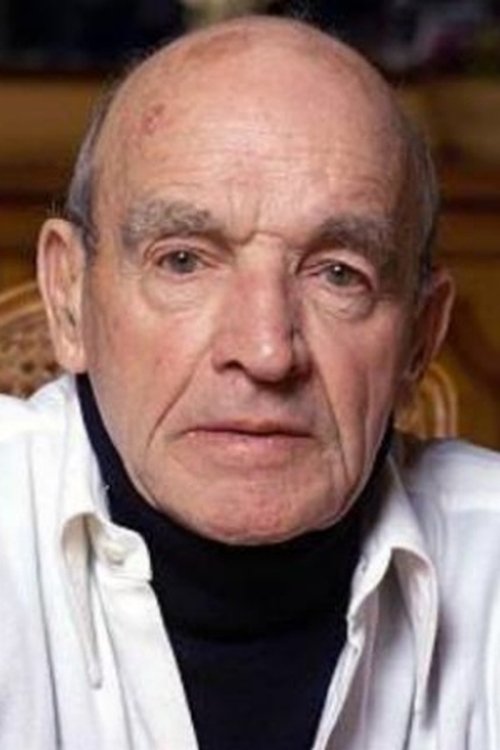
Auguste Le Breton
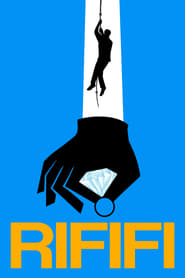
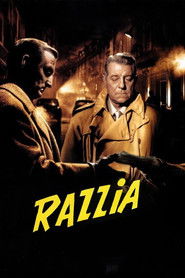
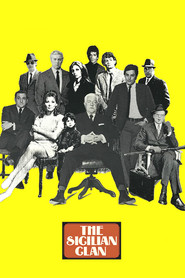
Auguste Le Breton (born Auguste Monfort 18 February 1913 – 31 May 1999) was a French novelist who wrote primarily about the criminal underworld. His novels were adapted into several notable films of the 1950s, such as Rififi, Razzia sur la chnouf, Le rouge est mis and Le clan des siciliens. He wrote the dialogue for the noir film Bob le flambeur. Auguste Le Breton was born in Finistère, Brittany. His childhood name was Auguste Monfort. Tragedy struck early in his life. Before his birth, his father had died in the First World War. His mother then disappeared. Being an orphan, Le Breton acquired the status of ward of the nation and so was housed in state institutions. Growing up in these institutions wasn't easy. He got into trouble regularly. He had to be put in remand homes frequently. When he lived in Paris, his haunts were disreputable places of the capital, bars and gambling dens. He even spent time with the gangs of Montmartre, acquainting himself with the crime world. He himself, however, was never involved in any serious crime. There can be no doubt that this semi-criminal life of his had a vast influence on his writings, enlivening them with the accuracy that only experience can bring. For uncertain reasons, Le Breton joined the Resistance during the Second World War. It has been speculated that it was the Vichy's anti-gambling laws that made Le Breton turn against the regime. It is certain that he aided others involved in the Resistance to elude Vichy and the Germans. It was for such contributions that he was awarded the Croix de guerre and the Resistance medal. Involvement in the Resistance marked a metamorphosis in Le Breton's life. Perhaps spurred on by his selfless actions during the war, he began to write. A few years later he married, another pivotal point in his life. Le Breton stated that he would write books for children, if he had any. He planned to write a memoir of his life as an orphan, his rootless childhood, the life of penury and visiting disreputable places like bars and brothels. When Le Breton's daughter Mary-Yvonne was born, he lived up to his words and wrote his autobiography. Entitled Les Hauts Murs, the book was successful. It was a poignant book, filled with anecdotal episodes from Le Breton's time in the orphanages, remand homes and prisons. Le Breton described in detail his friends and acquaintances from the bars, brothels and gangs of Paris. Le Breton's works are known for their directness of style and story. His other strength was his mastery of language, especially of French slang. This gave his works, most of which were about criminals, an authenticity and accuracy. Le Breton wrote 77 novels, many of which were adapted into films. His books were mostly about low life. Although his tales lack plot expertise, his characters and unique language made them hugely popular. They were made into successful films like Du rififi chez les hommes (Rififi means 'fisticuffs' or 'fight'). The film was directed by Jules Dassin and starred Jean Servais as Tony, the mastermind of a daring jewel heist. Source: Article "Auguste Le Breton" from Wikipedia in English, licensed under CC-BY-SA 3.0.
Auguste Montfort, dit Le Breton, est un écrivain né le 18 février 1913 à Lesneven et mort le 31 mai 1999 à Saint-Germain-en-Laye. Après une jeunesse qui a mal tourné, il se ressaisit et entame avec succès une carrière d'écrivain. Il est célèbre pour avoir inventé en littérature le mot «rififi». Auteur prolifique de romans policiers, il a aussi écrit des ouvrages sur l'argot. Plusieurs de ses romans ont fait l'objet d'une adaptation cinématographique en France, principalement dans les années 1950 et 1960. Son père Eugène Monfort (sans t médian) d'origine lorientaise qui est un acrobate et un clown, un auguste (d'où le prénom de son fils) meurt pendant la Première Guerre mondiale le 19 septembre 1914, disparu au combat, Mort pour la France. Sa mère, Rosalie Gorel, décédée à Paris 2e le 9 juin 1970 (Archives Municipales de Rennes), «l'oublie» sur son parcours. Il sera adopté par les Pupilles de la Nation, et de la ferme bretonne où il garde les vaches, on le conduit, à huit ans, dans un orphelinat de guerre. Épris de liberté et d'aventures, il s'en évade à onze ans, puis à douze, pour aller en Amérique combattre les Indiens. Rêve d'enfant… À quatorze ans, ces évasions lui valent d'être envoyé en Centre d'éducation surveillée, à l'époque endroits implacables. Cette enfance et cette adolescence particulières, il les racontera dans Les Hauts Murs et La Loi des rues. Ensuite il est couvreur, terrassier, fréquente aussi la pègre. Là, il noue de solides amitiés avec les voyous de Saint-Ouen, qui logiquement le baptisent «Le Breton». Il est le témoin d'une époque aujourd'hui révolue, et racontera plus tard: «Maurice la Gouine, il avait même fait mettre un diam' dans la canine de son chien. Du folklore, oh la la, c'est pas aujourd'hui qu'on trouverait ça à Paris!». Lorsque la guerre survient, puis l'Occupation, il fait le bookmaker, possède des parts dans des tripots et des restaurants, affronte parfois les gangsters de la gestapo française. À la libération, on lui attribue la Croix de guerre, mais non pas ce qu'il recherche: pouvoir pénétrer dans les orphelinats et maisons de correction, pour s'informer et voir. Il reprend alors ses activités de bookmaker clandestin. Il raconte cette biographie sous l'Occupation dans 2 sous d'amour. En 1947, il a 34 ans, sa fille Maryvonne naît. Il décide alors de tenir le serment qu'il s'était fait lorsqu'il dormait contre les grilles de métro, pour bénéficier de la chaleur fétide: «Si un jour j'ai un enfant, j'écrirai la mienne d'enfance, pour qu'il comprenne, pour qu'il reste humble et propre toute sa vie et devienne un homme». Ce sera une fille, mais qu'importe. Il prend la plume pour raconter les années de maison de correction de sa jeunesse dans Les Hauts Murs, qu'il dédie à sa fille, Maryvonne. ... Source: Article "Auguste Le Breton" de Wikipédia en français, soumis à la licence CC-BY-SA 3.0.
奥古斯特·勒布勒东(原名奥古斯特·蒙福尔,1913年2月18日-1999年5月31日)是法国小说家,其作品主要聚焦犯罪地下世界。他的多部小说在1950年代被改编为经典电影,如《男人的争斗》《法国贩毒网》《红圈》与《西西里家族》。他还为黑色电影《赌徒鲍伯》创作了对白。 勒布勒东出生于布列塔尼的菲尼斯泰尔省,童年时名为奥古斯特·蒙福尔。幼年时期他屡遭不幸:出生前父亲已在一战中阵亡,母亲随后也杳无音信。成为孤儿的勒布勒东被列为国家监护对象,长期生活在公立收容机构中。在收容机构的成长经历充满艰辛,他屡屡惹上麻烦,频繁被送入少年拘留所。旅居巴黎期间,他流连于首都的酒吧、赌窟等声名狼藉的场所,甚至与蒙马特地区的黑帮厮混,由此深入了解了犯罪世界。不过勒布勒东本人从未参与重大犯罪活动。毫无疑问,这段游走于犯罪边缘的生活经历深刻影响了他的文学创作,赋予其作品唯有亲历者方能呈现的生动真实感。 出于未知原因,勒布勒东在二战期间加入了法国抵抗运动。有推测认为维希政府颁布的反赌博法令促使他走上反抗之路。可以确定的是,他曾协助抵抗组织成员躲避维希政权与德军的追捕,并因此荣获战争十字勋章和抵抗运动奖章。 参与抵抗运动成为勒布勒东人生的转折点。或许是受到战时无私行为的激励,他开始尝试写作。几年后他步入婚姻,这成为他人生的另一个重要节点。勒布勒东曾表示,若有子女愿为他们创作儿童读物,并计划撰写回忆录,记录自己作为孤儿漂泊的童年、贫困的生活以及出入酒吧妓院的经历。 当女儿玛丽-伊冯娜出生后,勒布勒东兑现承诺创作了自传体小说《高墙》。这部充满辛酸的作品生动记述了他在孤儿院、拘留所和监狱的往事,细腻描绘了他在巴黎酒吧、妓院和黑帮中结识的各色人物,出版后获得巨大成功。 勒布勒东的作品以直白的叙事风格见长,其另一突出优势在于精湛的语言驾驭能力,尤其擅长运用法国俚语。这使他的犯罪题材作品呈现出高度的真实性与准确性。 勒布勒东一生创作了77部小说,其中多部被改编为电影。他的作品大多聚焦底层生活,虽然情节设计不算精巧,但鲜活的人物塑造与独特的语言风格使其广受欢迎。根据小说《男人的争斗》("Rififi"意为斗殴)改编的同名电影大获成功,该片由朱尔斯·达辛执导,让·塞维斯饰演策划惊天珠宝劫案的主谋托尼。
奧古斯特·勒布勒東(原名奧古斯特·蒙福爾,1913 年 2 月 18 日-1999 年 5 月 31 日)是法國小説家,其作品主要聚焦犯罪地下世界。他的多部小説在 1950 年代被改編為經典電影,如《男人的爭鬥》《法國販毒網》《紅圈》與《西西裏家族》。他還為黑色電影《賭徒鮑伯》創作了對白。 勒布勒東出生於布列塔尼的菲尼斯泰爾省,童年時名為奧古斯特·蒙福爾。幼年時期他屢遭不幸:出生前父親已在一戰中陣亡,母親隨後也杳無音信。成為孤兒的勒布勒東被列為國家監護對象,長期生活在公立收容機構中。在收容機構的成長經歷充滿艱辛,他屢屢惹上麻煩,頻繁被送入少年拘留所。旅居巴黎期間,他流連於首都的酒吧、賭窟等聲名狼藉的場所,甚至與蒙馬特地區的黑幫廝混,由此深入瞭解了犯罪世界。不過勒布勒東本人從未参與重大犯罪活動。毫無疑問,這段遊走於犯罪邊緣的生活經歷深刻影響了他的文學創作,賦予其作品唯有親歷者方能呈現的生動真實感。 出於未知原因,勒布勒東在二戰期間加入了法國抵抗運動。有推測認為維希政府頒布的反賭博法令促使他走上反抗之路。可以確定的是,他曾協助抵抗組織成員躲避維希政權與德軍的追捕,並因此榮獲戰爭十字勛章和抵抗運動獎章。 参與抵抗運動成為勒布勒東人生的轉折點。或許是受到戰時無私行為的激勵,他開始嘗試寫作。幾年後他步入婚姻,這成為他人生的另一個重要節點。勒布勒東曾表示,若有子女願為他們創作兒童讀物,並計劃撰寫回憶錄,記錄自己作為孤兒漂泊的童年、貧困的生活以及出入酒吧妓院的經歷。 當女兒瑪麗 - 伊馮娜出生後,勒布勒東兑現承諾創作了自傳體小説《高牆》。這部充滿辛酸的作品生動記述了他在孤兒院、拘留所和監獄的往事,細膩描繪了他在巴黎酒吧、妓院和黑幫中結識的各色人物,出版後獲得巨大成功。 勒布勒東的作品以直白的敘事風格見長,其另一突出優勢在於精湛的語言駕馭能力,尤其擅長運用法國俚語。這使他的犯罪題材作品呈現出高度的真實性與準確性。 勒布勒東一生創作了 77 部小説,其中多部被改編為電影。他的作品大多聚焦底層生活,雖然情節設計不算精巧,但鮮活的人物塑造與獨特的語言風格使其廣受歡迎。根據小説《男人的爭鬥》("Rififi"意為鬥毆)改編的同名電影大獲成功,該片由朱爾斯·達辛執導,讓·塞維斯飾演策劃驚天珠寶劫案的主謀托尼。
Writing (13)