Alain Robbe-Grillet
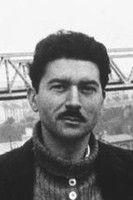
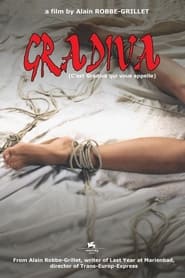
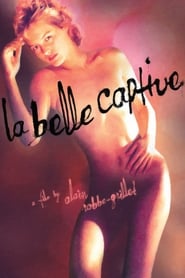
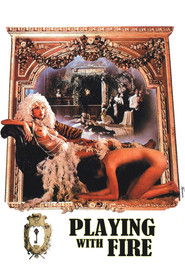
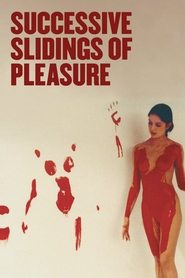
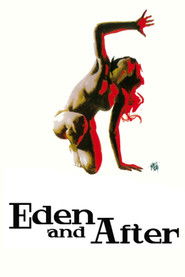
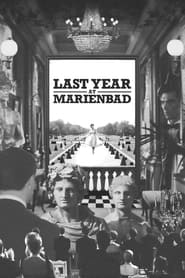
Alain Robbe-Grillet was a French writer and filmmaker. He was, along with Nathalie Sarraute, Michel Butor and Claude Simon, one of the figures most associated with the Nouveau Roman (new novel) trend. Alain Robbe-Grillet was elected a member of the Académie française on March 25, 2004, succeeding Maurice Rheims at seat No. 32. He was married to Catherine Robbe-Grillet (née Rstakian). Robbe-Grillet's career as a creator of fiction was not restricted to the writing of novels. For him, creating fiction in the form of films was of equal importance. His film career began when Alain Resnais chose to collaborate with him on his 1961 film Last Year at Marienbad. The film was nominated for the 1963 Academy Award for Writing Original Screenplay and won the Golden Lion when it came out in 1961. In the credits it was presented as a film equally co-authored by Alain Robbe-Grillet and Alain Resnais. Robbe-Grillet then went on to launch a career as a writer-director of a series of cerebral and often sexually provocative feature films which explored similar themes to those in his literary work (e.g. Voyeurism, The Body as Text, The 'Double'). He commenced with L'Immortelle (The Immortal One) (1962) which won the much-coveted Louis Delluc Prize of 1962. This was followed by his most commercially successful film after Last Year at Marienbad: Trans-Europ-Express (1966) starring Jean-Louis Trintignant, who continued to work with Robbe-Grillet on his next four films: his French-Slovak film L'homme qui ment/Muž, ktorý luže (The Man Who Lies) (1968), L'Eden et après/Eden a potom (Eden and After) (1970), Glissements progressifs du plaisir (Progressive Slidings towards Pleasure) (1974) and Le jeu avec le feu (Playing with Fire) (1975). It was almost a decade before the appearance of his next feature film, La belle captive (The Beautiful Captive) (1983), but Alain Robbe-Grillet was fortunate enough to enlist the services of Henri Alekan as cinematographer, the visionary master of cinematography for the films of Jean Cocteau. Subsequently more than a decade passed before Alain Robbe-Grillet got behind the lens again, this time filming a mystery thriller on a small Greek island with Fred Ward starring as the confused Frank in Un bruit qui rend fou. Robbe-Grillet (A Maddening Noise, aka: The Blue Villa) (1995). Before his death in 2008 Robbe-Grillet was to direct one more film, Gradiva (C'est Gradiva qui vous appelle) (2006) which brought once more to the fore his preoccupation with sadism and bondage in his fiction. Perhaps the best introduction to the film works of Alain Robbe-Grillet is the volume The Erotic Dream Machine by Professors Roch C.Smith and Anthony N. Fragola. Also of great value is the volume In the Temple of Dreams: The Writer on the Screen in which Robbe-Grillet himself explains the relationship between his literary fiction and his cinematic fiction (ed. Edouard d'Araille, 1996).
Alain Robbe-Grillet, né le 18 août 1922 à Saint-Pierre-Quilbignon (Finistère) et mort le 18 février 2008 à Caen (Calvados), est un romancier et cinéaste français. Considéré, avec Nathalie Sarraute, comme le chef de file du nouveau roman, il a été élu à l'Académie française le 25 mars 2004, sans y être reçu. Son épouse est la romancière Catherine Robbe-Grillet, dont le nom de plume est Jeanne de Berg. Fils d'ingénieur, Alain Paul Robbe-Grillet suit ses études à Paris au lycée Buffon, puis au lycée Saint-Louis. Il entre à l'Institut national agronomique à Paris, mais il est envoyé au STO à Nuremberg. Un an après son retour en 1945, il obtient le diplôme d'ingénieur agronome. Il est ensuite chargé de mission à l'Institut national de la statistique à Paris, puis ingénieur à partir de 1949 à l'Institut des fruits et agrumes coloniaux, au Maroc, en Guinée française, à la Martinique et à la Guadeloupe (1949-51). Il se consacre ensuite à la littérature. Son premier roman, Les Gommes, parait en 1953 aux Éditions de Minuit et Roland Barthes lui consacre un article dans Critique. Se liant d'amitié avec Jérôme Lindon, directeur des éditions de Minuit, il en devient conseiller littéraire entre 1955 et 1985. On considère parfois Les Gommes comme le premier «nouveau roman», mais l'expression n'apparaît que quelques années plus tard, sous la plume d'Emile Henriot. En 1963 paraît Pour un Nouveau Roman, recueil d'articles de Robbe-Grillet publiés notamment dans L'Express. Il se fait ainsi en quelque sorte le théoricien de ce mouvement littéraire, malgré sa résistance explicite vis-à-vis d'une telle dénomination (la première phrase de Pour un Nouveau Roman est «Je ne suis pas un théoricien du roman»). Néanmoins, on le qualifia souvent de «pape du nouveau roman». Il est un des signataires du Manifeste des 121, titré «Déclaration sur le droit à l’insoumission dans la guerre d’Algérie». Il travaille également pour le cinéma, notamment sur le scénario de L'Année dernière à Marienbad, réalisé par Alain Resnais en 1961. En 1966, il réalise en coproduction franco-belge, Trans-Europ Express. Les films qu'il a réalisés ensuite oscillent entre érotisme et sado-masochisme. Il était connu pour être un adepte du sado-masochisme, comme sa femme Catherine Robbe-Grillet. Peu à peu, ses romans se sont tournés vers l'érotisme, et vers l'«autobiographie fantasmatique», romans qui ont parfois été plus appréciés à l'étranger (notamment aux États-Unis) qu'en France, au moins du point de vue des universitaires. Il participe pourtant au Haut comité pour la défense et l’expansion de la langue française entre 1966 et 1968. De 1972 à 1997, Alain Robbe-Grillet enseigne aux États-Unis, à l'université de New York (NYU) et à l'université Washington de Saint-Louis, et dirige le Centre de sociologie de la littérature à l'université libre de Bruxelles entre 1980 et 1988. Élu à l'Académie française au 32e fauteuil, succédant à Maurice Rheims, le 25 mars 2004, il n'a jamais prononcé son discours de réception, refusant le port de l'habit vert et une tradition qu'il considérait comme dépassée, provoquant ainsi l'impatience des autres immortels. Finalement, il n'a jamais siégé à l'Académie française. ... Source: Article "Alain Robbe-Grillet" de Wikipédia en français, soumis à la licence CC-BY-SA 3.0.
阿兰·罗伯-格里耶是法国作家兼电影制作人。他与娜塔莉·萨洛特、米歇尔·布托尔和克洛德·西蒙同为与“新小说”潮流联系最为紧密的人物之一。2004年3月25日,阿兰·罗伯-格里耶当选为法兰西学院院士,接替莫里斯·兰斯,占据第32号席位。他的妻子是凯瑟琳·罗伯-格里耶(原姓拉斯塔基安)。 罗伯-格里耶的小说创作生涯并不局限于写小说。对他而言,以电影形式进行小说创作同样重要。他的电影生涯始于阿兰·雷乃选择与他合作拍摄1961年的电影《去年在马里昂巴德》。这部电影获得了1963年奥斯卡原创剧本奖提名,并在1961年上映时获得了金狮奖。在 credits 中,该片被列为阿兰·罗伯-格里耶和阿兰·雷乃共同创作的作品。 之后,罗伯-格里耶开始了编剧兼导演的职业生涯,创作了一系列构思精妙且常带有性挑逗元素的故事片,这些影片探讨的主题与他文学作品中的主题相似(如窥视癖、身体即文本、“双重人格”)。他的首部作品是《不朽者》(1962年),该片获得了备受追捧的1962年路易·德吕克奖。此后,他推出了《去年在马里昂巴德》之后商业上最成功的电影:《欧洲快车》(1966年),由让-路易·特兰蒂尼昂主演,他还继续与罗伯-格里耶合作了接下来的四部电影:法捷合拍电影《说谎的人》(1968年)、《伊甸园及其后》(1970年)、《快感的逐渐滑动》(1974年)和《玩火》(1975年)。时隔近十年,他的下一部故事片《美丽的女俘》(1983年)才问世,不过阿兰·罗伯-格里耶有幸请到了亨利·阿勒坎担任摄影师,阿勒坎是为让·谷克多的电影担任摄影的富有远见的大师。随后又过了十多年,阿兰·罗伯-格里耶才再次拿起导筒,这次他在希腊的一个小岛上拍摄了一部悬疑惊悚片《令人发疯的噪音》(又名《蓝色别墅》,1995年),弗雷德·沃德在片中饰演困惑的弗兰克。2008年去世前,罗伯-格里耶还执导了一部电影《格拉迪瓦》(2006年),该片再次凸显了他在小说中对施虐狂和捆绑主题的关注。或许了解阿兰·罗伯-格里耶电影作品的最佳入门读物是罗奇·C.史密斯教授和安东尼·N.弗拉戈拉教授所著的《色情梦机器》。同样极具价值的还有《在梦之神殿:银幕上的作家》一书,罗伯-格里耶在书中亲自阐释了他的文学小说与电影小说之间的关系(由爱德华·达赖尔编辑,1996年出版)。
阿蘭·羅伯 - 格裏耶是法國作家兼電影制作人。他與娜塔莉·薩洛特、米歇爾·布托爾和克洛德·西蒙同為與“新小説”潮流聯系最為緊密的人物之一。2004 年 3 月 25 日,阿蘭·羅伯 - 格裏耶當選為法蘭西學院院士,接替莫里斯·蘭斯,占據第 32 號席位。他的妻子是凱瑟琳·羅伯 - 格裏耶(原姓拉斯塔基安)。 羅伯 - 格裏耶的小説創作生涯並不侷限於寫小説。對他而言,以電影形式進行小説創作同樣重要。他的電影生涯始於阿蘭·雷乃選擇與他合作拍攝 1961 年的電影《去年在馬里昂巴德》。這部電影獲得了 1963 年奧斯卡原創劇本獎提名,並在 1961 年上映時獲得了金獅獎。在 credits 中,該片被列為阿蘭·羅伯 - 格裏耶和阿蘭·雷乃共同創作的作品。 之後,羅伯 - 格裏耶開始了編劇兼導演的職業生涯,創作了一系列構思精妙且常帶有性挑逗元素的故事片,這些影片探討的主題與他文學作品中的主題相似(如窺視癖、身體即文本、“雙重人格”)。他的首部作品是《不朽者》(1962 年),該片獲得了備受追捧的 1962 年路易·德呂克獎。此後,他推出了《去年在馬里昂巴德》之後商業上最成功的電影:《歐洲快車》(1966 年),由讓 - 路易·特蘭蒂尼昂主演,他還繼續與羅伯 - 格裏耶合作了接下來的四部電影:法捷合拍電影《説謊的人》(1968 年)、《伊甸園及其後》(1970 年)、《快感的逐漸滑動》(1974 年)和《不忠誘罪》(1975 年)。時隔近十年,他的下一部故事片《美麗的女俘》(1983 年)才問世,不過阿蘭·羅伯 - 格裏耶有幸請到了亨利·阿勒坎擔任攝影師,阿勒坎是為讓·谷克多的電影擔任攝影的富有遠見的大師。隨後又過了十多年,阿蘭·羅伯 - 格裏耶才再次拿起導筒,這次他在希臘的一個小島上拍攝了一部懸疑驚悚片《令人發瘋的噪音》(又名《藍色別墅》,1995 年),弗雷德·沃德在片中飾演困惑的弗蘭克。2008 年去世前,羅伯 - 格裏耶還執導了一部電影《格拉迪瓦》(2006 年),該片再次凸顯了他在小説中對施虐狂和捆綁主題的關注。或許瞭解阿蘭·羅伯 - 格裏耶電影作品的最佳入門讀物是羅奇·C. 史密斯教授和安東尼·N. 弗拉戈拉教授所著的《色情夢機器》。同樣極具價值的還有《在夢之神殿:銀幕上的作家》一書,羅伯 - 格裏耶在書中親自闡釋了他的文學小説與電影小説之間的關係(由愛德華·達賴爾編輯,1996 年出版)。
Directing (10)

Writing (17)
Acting (8)