Helmut Newton
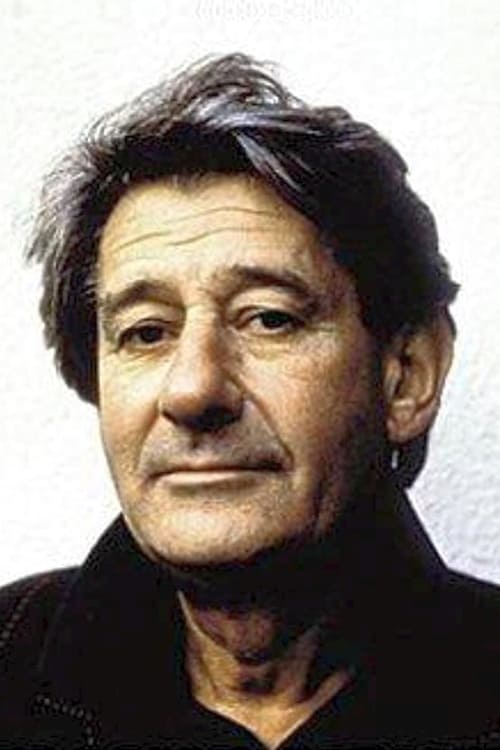
Helmut Newton (born Helmut Neustädter; 31 October 1920 – 23 January 2004) was a German-Australian photographer. The New York Times described him as a "prolific, widely imitated fashion photographer whose provocative, erotically charged black-and-white photos were a mainstay of Vogue and other publications." Newton was born in Berlin, the son of Klara "Claire" (née Marquis) and Max Neustädter, a button factory owner. His family was Jewish. Newton attended the Heinrich-von-Treitschke-Realgymnasium and the American School in Berlin. Interested in photography from the age of 12 when he purchased his first camera, he worked for the German photographer Yva (Elsie Neuländer Simon) from 1936. The increasingly oppressive restrictions placed on Jews by the Nuremberg laws meant that his father lost control of the factory in which he manufactured buttons and buckles; he was briefly interned in a concentration camp on Kristallnacht, 9 November 1938, which finally compelled the family to leave Germany. Newton's parents fled to Argentina. Newton was issued with a passport just after turning 18 and left Germany on 5 December 1938. At Trieste, he boarded the Conte Rosso (along with about 200 others escaping the Nazis), intending to journey to China. After arriving in Singapore, Newton found he was able to remain there, first briefly as a photographer for the Straits Times and then as a portrait photographer. Newton was interned by British authorities while in Singapore and was sent to Australia on board the Queen Mary, arriving in Sydney on 27 September 1940. Internees travelled to the camp at Tatura by train under armed guard. He was released from internment in 1942 and briefly worked as a fruit picker in Northern Victoria. In August 1942, Newton enlisted with the Australian Army and worked as a truck driver. After the war in 1945, he became a British subject and changed his name to Newton in 1946. In 1948, he married actress June Browne, who performed under the stage name June Brunell. Later she became a successful photographer under the ironic pseudonym Alice Springs (after Alice Springs, the town in Central Australia). In 1946, Newton set up a studio in fashionable Flinders Lane in Melbourne and worked on fashion, theatre and industrial photography in the affluent postwar years. He shared his first joint exhibition in May 1953 with Wolfgang Sievers, a German refugee like himself, who had also served in the same company. The exhibition of 'New Visions in Photography' was displayed at the Federal Hotel in Collins Street and was probably the first glimpse of New Objectivity photography in Australia. Newton went into partnership with Henry Talbot, a fellow German Jew who had also been interned at Tatura, and his association with the studio continued even after 1957, when he left Australia for London. The studio was renamed 'Helmut Newton and Henry Talbot'. ... Source: Article "Helmut Newton" from Wikipedia in English, licensed under CC-BY-SA 3.0.
Helmut Newton, né Helmut Neustädter le 31 octobre 1920 à Berlin et mort le 23 janvier 2004 à Los Angeles, est un photographe australien d'origine allemande. Il est connu pour ses photographies de mode et de nus féminins. Il a photographié de nombreux modèles parmi lesquelles Catherine Deneuve, Sylvie Vartan, Brigitte Nielsen, Grace Jones, Kate Moss, Karen Mulder, Monica Bellucci, Cindy Crawford et Claudia Schiffer. De père juif allemand et de mère américaine, le jeune Helmut suit ses études au lycée Werner von Trotschke de Berlin, puis à l'École américaine de Berlin. Il s'intéresse très tôt à la photographie et, dès 1936, devient l'élève de la photographe allemande Else Simon, dite «Yva», à qui il doit son style de photographie. Il quitte l'Allemagne nazie en 1938: après avoir travaillé pendant un temps à Singapour, il émigre en Australie. Pendant la Seconde Guerre mondiale, il rejoint l'armée australienne, où il est affecté à la logistique comme chauffeur de camion. En 1948, il épouse l'actrice australienne June Brunell. Après la guerre, il travaille comme photographe indépendant, en réalisant des photos de mode ainsi que des travaux pour le magazine Playboy. À la fin des années 1950, il se concentre davantage sur les clichés de mode. Il s'installe à Paris, rue Aubriot, en 1961 et devient un photographe de mode très productif. Il réalise des séries de mode pour de nombreux magazines, en particulier dans Vogue. Son style, parfois d'une subjectivité sensuelle, est marqué par un érotisme glacé, par des scènes stylisées et, souvent, par une violence sous-jacente. À partir de 1970, sa femme June se lance aussi dans la photographie sous le nom d'Alice Springs. En 1977, le couple déménage rue de l'Abbé-de-l'Épée, toujours à Paris. À partir de 1981, Helmut Newton réside à Monaco et à Los Angeles. Le 23 janvier 2004, Helmut Newton est victime d'une sévère crise cardiaque au volant de son SUV Cadillac SRX, offert la veille par un dirigeant de la société General Motors, en sortant du parking de l'hôtel Château Marmont. Il perd le contrôle de sa voiture qui accélère, heurte une photographe (Ann Johansson) puis percute de face un mur à la sortie du parking. Transféré au service des urgences de l'hôpital Cedars-Sinai à West Hollywood, il est rapidement déclaré mort. Selon sa volonté, ses cendres sont inhumées à Berlin au cimetière Friedhof Schöneberg III (Stubenrauchstraße 43-45), près de la tombe de Marlene Dietrich. Source: Article "Helmut Newton" de Wikipédia en français, soumis à la licence CC-BY-SA 3.0.
赫尔穆特·牛顿(原名赫尔穆特·诺伊施塔特,1920年10月31日-2004年1月23日)是一位德裔澳大利亚摄影师。《纽约时报》曾评价他为“一位多产且被广泛效仿的时尚摄影师,其充满挑衅与情欲张力的黑白摄影作品长期占据《Vogue》等主流刊物的核心位置”。 牛顿出生于柏林,父亲马克斯·诺伊施塔特经营纽扣工厂,母亲克拉拉·“克莱尔”(娘家姓马奎斯)为家庭主妇。全家具有犹太血统。牛顿曾就读于柏林的海因里希-冯-特赖奇克实科中学及美国学校。12岁购入第一台相机后他便对摄影产生浓厚兴趣,1936年起师从德国摄影师伊娃(本名埃尔西·诺伊兰德·西蒙)。 随着《纽伦堡法案》对犹太人的压迫日益加剧,牛顿的父亲失去了纽扣工厂的控制权,并在1938年11月9日“水晶之夜”被短暂关入集中营,这最终迫使全家逃离德国。牛顿父母流亡至阿根廷,而刚满18岁的牛顿于1938年12月5日持护照离开德国。他在的里雅斯特登上“康特罗索号”(同船约200人皆为逃离纳粹的难民),原计划前往中国,但抵达新加坡后决定留居当地,先短暂担任《海峡时报》摄影师,后成为人像摄影师。 牛顿在新加坡遭英国当局拘留,于1940年9月27日乘“玛丽皇后号”抵达悉尼,随后在武装押送下乘火车前往塔图拉拘留营。1942年获释后,他曾在维多利亚州北部短期从事水果采摘工作,同年8月加入澳大利亚陆军担任卡车司机。1945年战争结束后,他归化为英国公民,并于1946年改姓牛顿。 1948年,牛顿与女演员琼·布朗恩(艺名琼·布鲁内尔)结婚。妻子后来以颇具反讽意味的化名“爱丽丝·斯普林斯”(取自澳大利亚中部小镇名)成为知名摄影师。 1946年,牛顿在墨尔本时尚街区弗林德斯巷设立工作室,在战后经济繁荣时期从事时装、戏剧及工业摄影。1953年5月,他与同为德国难民的战友沃尔夫冈·西弗斯举办首次联展——“摄影新视野”于柯林斯街联邦酒店展出,这可能是澳大利亚首次呈现新客观主义摄影风格。此后牛顿与另一位曾被关押在塔图拉拘留营的德国犹太同胞亨利·塔尔博特合伙经营,即使1957年牛顿离澳赴伦敦后仍保持合作,工作室更名为“赫尔穆特·牛顿与亨利·塔尔博特”。
赫爾穆特·牛頓(原名赫爾穆特·諾伊施塔特,1920 年 10 月 31 日-2004 年 1 月 23 日)是一位德裔澳大利亞攝影師。《紐約時報》曾評價他為“一位多產且被廣泛效仿的時尚攝影師,其充滿挑釁與情慾張力的黑白攝影作品長期占據《Vogue》等主流刊物的核心位置”。 牛頓出生於柏林,父親馬克斯·諾伊施塔特經營紐扣工廠,母親克拉拉·“克萊爾”(孃家姓馬奎斯)為家庭主婦。全傢俱有猶太血統。牛頓曾就讀於柏林的海因裏希 - 馮 - 特賴奇克實科中學及美國學校。12 歲購入第一台相機後他便對攝影產生濃厚興趣,1936 年起師從德國攝影師伊娃(本名埃爾西·諾伊蘭德·西蒙)。 隨着《紐倫堡法案》對猶太人的壓迫日益加劇,牛頓的父親失去了紐扣工廠的控制權,並在 1938 年 11 月 9 日“水晶之夜”被短暫關入集中營,這最終迫使全家逃離德國。牛頓父母流亡至阿根廷,而剛滿 18 歲的牛頓於 1938 年 12 月 5 日持護照離開德國。他在的裏雅斯特登上“康特羅索號”(同船約 200 人皆為逃離納粹的難民),原計劃前往中國,但抵達新加坡後決定留居當地,先短暫擔任《海峽時報》攝影師,後成為人像攝影師。 牛頓在新加坡遭英國當局拘留,於 1940 年 9 月 27 日乘“瑪麗皇后號”抵達悉尼,隨後在武裝押送下乘火車前往塔圖拉拘留營。1942 年獲釋後,他曾在維多利亞州北部短期從事水果採摘工作,同年 8 月加入澳大利亞陸軍擔任卡車司機。1945 年戰爭結束後,他歸化為英國公民,並於 1946 年改姓牛頓。 1948 年,牛頓與女演員瓊·布朗恩(藝名瓊·布魯內爾)結婚。妻子後來以頗具反諷意味的化名“愛麗絲·斯普林斯”(取自澳大利亞中部小鎮名)成為知名攝影師。 1946 年,牛頓在墨爾本時尚街區弗林德斯巷設立工作室,在戰後經濟繁榮時期從事時裝、戲劇及工業攝影。1953 年 5 月,他與同為德國難民的戰友沃爾夫岡·西弗斯舉辦首次聯展——“攝影新視野”於柯林斯街聯邦酒店展出,這可能是澳大利亞首次呈現新客觀主義攝影風格。此後牛頓與另一位曾被關押在塔圖拉拘留營的德國猶太同胞亨利·塔爾博特合夥經營,即使 1957 年牛頓離澳赴倫敦後仍保持合作,工作室更名為“赫爾穆特·牛頓與亨利·塔爾博特”。