Ernest Hemingway
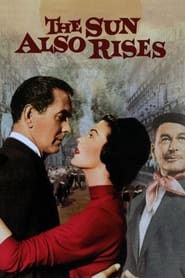
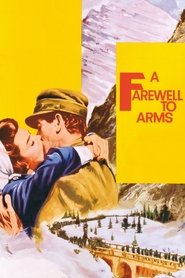
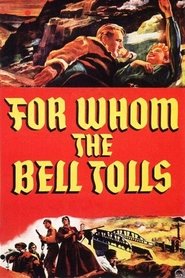
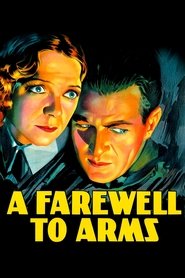
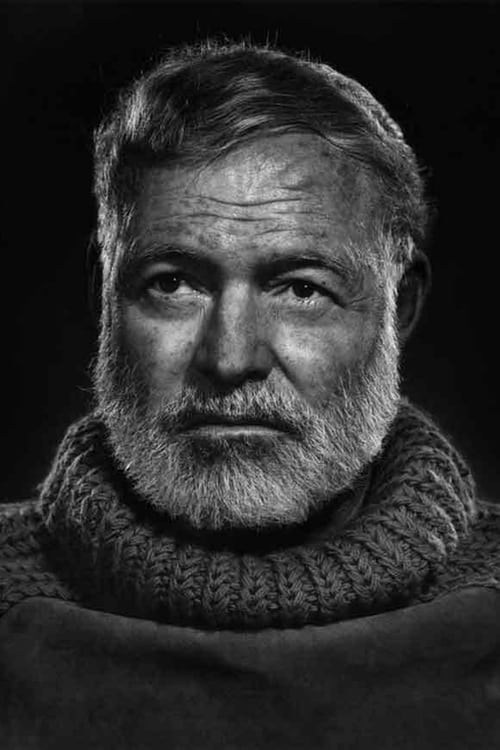
Description above from the Wikipedia Ernest Hemingway (journalist), licensed under CC-BY-SA, full list of contributors on Wikipedia. Ernest Miller Hemingway (July 21, 1899 – July 2, 1961) was an American journalist, novelist, short-story writer, and sportsman. His economical and understated style—which he termed the iceberg theory—had a strong influence on 20th-century fiction, while his adventurous lifestyle and his public image brought him admiration from later generations. Hemingway produced most of his work between the mid-1920s and the mid-1950s, and he won the Nobel Prize in Literature in 1954. He published seven novels, six short-story collections, and two nonfiction works. Three of his novels, four short-story collections, and three nonfiction works were published posthumously. Many of his works are considered classics of American literature. Hemingway was raised in Oak Park, Illinois. After high school, he was a reporter for a few months for The Kansas City Star before leaving for the Italian Front to enlist as an ambulance driver in World War I. In 1918, he was seriously wounded and returned home. His wartime experiences formed the basis for his novel A Farewell to Arms (1929). In 1921, Hemingway married Hadley Richardson, the first of four wives. They moved to Paris where he worked as a foreign correspondent and fell under the influence of the modernist writers and artists of the 1920s' "Lost Generation" expatriate community. His debut novel The Sun Also Rises was published in 1926. He divorced Richardson in 1927 and married Pauline Pfeiffer; they divorced after he returned from the Spanish Civil War, where he had been a journalist. He based For Whom the Bell Tolls (1940) on his experience there. Martha Gellhorn became his third wife in 1940; they separated after he met Mary Welsh in London during World War II. He was present with the troops as a journalist at the Normandy landings and the liberation of Paris. Hemingway maintained permanent residences in Key West, Florida (in the 1930s), and Cuba (in the 1940s and 1950s). He almost died in 1954 after plane crashes on successive days; injuries left him in pain and ill health for much of the rest of his life. In 1959, he bought a house in Ketchum, Idaho, where, in mid-1961, he ended his own life.
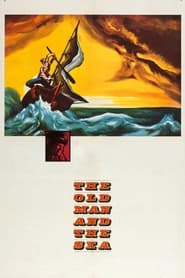
Ernest Miller Hemingway war einer der erfolgreichsten und bekanntesten US-amerikanischen Schriftsteller des 20. Jahrhunderts. 1953 erhielt er den Pulitzer-Preis für seine Novelle Der alte Mann und das Meer und 1954 den Literaturnobelpreis.
欧内斯特·米勒·海明威(1899年7月21日-1961年7月2日)是美国记者、小说家、短篇故事作家和体育爱好者。他简约含蓄的写作风格——即其提出的“冰山理论”——对20世纪小说创作产生了深远影响,而其充满冒险精神的生活方式与公众形象也赢得了后世的广泛推崇。海明威的创作高峰集中在1920年代中期至1950年代中期,并于1954年荣获诺贝尔文学奖。他生前出版了七部长篇小说、六部短篇小说集及两部非虚构作品,另有包括三部长篇、四部短篇集和三部非虚构作品在其逝世后问世。其众多著作被视为美国文学经典。 海明威在伊利诺伊州奥克帕克长大。高中毕业后,他曾在《堪萨斯城星报》担任数月记者,随后奔赴第一次世界大战的意大利前线担任救护车司机。1918年他身负重伤回国,这段战争经历成为其长篇小说《永别了,武器》(1929)的创作基石。 1921年,海明威与首任妻子哈德利·理查逊结婚,两人移居巴黎。其间他担任驻外记者,并深受1920年代“迷惘的一代”旅外现代主义作家与艺术家的影响。1926年其处女作《太阳照常升起》问世。1927年他与理查逊离婚后,迎娶宝琳·费孚;从西班牙内战前线(他曾以记者身份参与报道)归来后,这段婚姻告终,其战地经历催生了《丧钟为谁而鸣》(1940)。1940年玛莎·盖尔霍恩成为他的第三任妻子;二战期间他在伦敦结识玛丽·威尔许后,与盖尔霍恩分居。作为战地记者,他曾亲历诺曼底登陆与巴黎解放的战场。 海明威曾长期定居佛罗里达州基韦斯特(1930年代)与古巴(1940-1950年代)。1954年他在连续两日的空难中险些丧生,此后多年伤痛缠身。1959年他在爱达荷州凯彻姆购置住宅,1961年仲夏于此结束了自己的生命。
歐內斯特·米勒·海明威(1899 年 7 月 21 日-1961 年 7 月 2 日)是美國記者、小説家、短篇故事作家和體育愛好者。他簡約含蓄的寫作風格——即其提出的“冰山理論”——對 20 世紀小説創作產生了深遠影響,而其充滿冒險精神的生活方式與公眾形象也贏得了後世的廣泛推崇。海明威的創作高峯集中在 1920 年代中期至 1950 年代中期,並於 1954 年榮獲諾貝爾文學獎。他生前出版了七部長篇小説、六部短篇小説集及兩部非虛構作品,另有包括三部長篇、四部短篇集和三部非虛構作品在其逝世後問世。其眾多著作被視為美國文學經典。 海明威在伊利諾伊州奧克帕克長大。高中畢業後,他曾在《堪薩斯城星報》擔任數月記者,隨後奔赴第一次世界大戰的意大利前線擔任救護車司機。1918 年他身負重傷回國,這段戰爭經歷成為其長篇小説《永別了,武器》(1929)的創作基石。 1921 年,海明威與首任妻子哈德利·理查遜結婚,兩人移居巴黎。其間他擔任駐外記者,並深受 1920 年代“迷惘的一代”旅外現代主義作家與藝術家的影響。1926 年其處女作《太陽照常升起》問世。1927 年他與理查遜離婚後,迎娶寶琳·費孚;從西班牙內戰前線(他曾以記者身份參與報道)歸來後,這段婚姻告終,其戰地經歷催生了《喪鐘為誰而鳴》(1940)。1940 年瑪莎·蓋爾霍恩成為他的第三任妻子;二戰期間他在倫敦結識瑪麗·威爾許後,與蓋爾霍恩分居。作為戰地記者,他曾親歷諾曼底登陸與巴黎解放的戰場。 海明威曾長期定居佛羅裏達州基韋斯特(1930 年代)與古巴(1940 - 1950 年代)。1954 年他在連續兩日的空難中險些喪生,此後多年傷痛纏身。1959 年他在愛達荷州凱徹姆購置住宅,1961 年仲夏於此結束了自己的生命。
Acting (17)
Writing (56)
Crew (21)