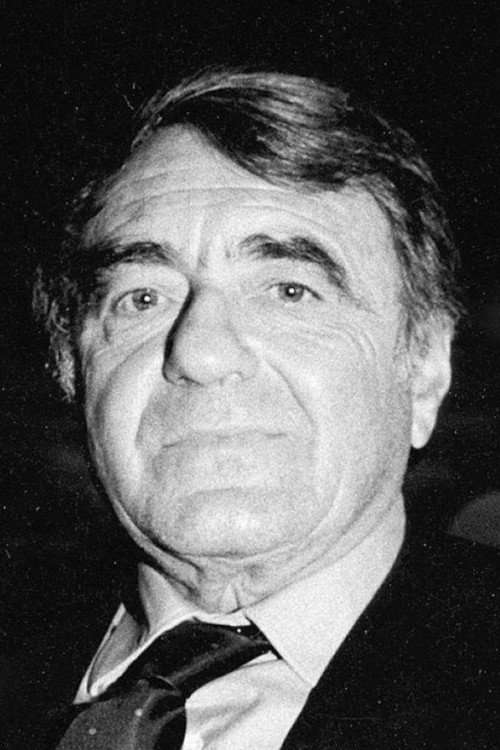
Claude Lanzmann
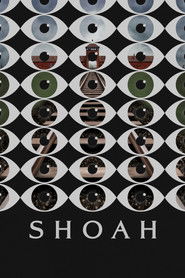
Claude Lanzmann (27 November 1925 – 5 July 2018) was a French filmmaker known for the Holocaust documentary film Shoah (1985). Lanzmann was born on 27 November 1925 in Paris, France, the son of Paulette (née Grobermann) and Armand Lanzmann. His family was Jewish, and had immigrated to France from The Russian Empire. He was the brother of writer Jacques Lanzmann. Lanzmann attended the Lycée Blaise-Pascal in Clermont-Ferrand. While his family disguised their identity and went into hiding during World War II, he joined the French resistance at the age of 17, along with his father and brother, and fought in Auvergne. Lanzmann opposed the French war in Algeria and signed the 1960 antiwar petition Manifesto of the 121. Lanzmann was the chief editor of the journal Les Temps Modernes, founded by Jean-Paul Sartre and Simone de Beauvoir, and lecturer at the European Graduate School in Saas-Fee, Switzerland. In 2009 he published his memoirs under the title Le lièvre de Patagonie ("The Patagonian Hare"). Lanzmann's most renowned work, Shoah (1985), is a nine-and-a-half-hour oral history of the Holocaust. Shoah is made without the use of any historical footage, and uses only first-person testimony from perpetrators and victims, and contemporary footage of Holocaust-related sites. Interviewees include the Polish resistance fighter Jan Karski and the American Holocaust historian Raul Hilberg. When the film was released, the director also published the complete text, including in English translation, with introductions by Lanzmann and Simone de Beauvoir. Lanzmann disagreed, sometimes angrily, with attempts to understand the why of Hitler, stating that the evil of Hitler cannot or should not be explained and that to do so is immoral and an obscenity. Lanzmann also oftentimes pushed his subjects to extreme emotional limits to bring out the most authentic reactions for his audience. The interview with barber Abraham Bomba is a staple of a Claude Lanzmann interview. A compilation of "Shoah: Unseen Interviews" was released in 2012 that included interviews filmed at the time of the original production but never made it into the film. On 4 July 2018, his last work, Les Quatre Soeurs (Shoah: Four Sisters) was released, featuring testimonials from four Holocaust survivors not included in his Shoah. Lanzmann died the following day. From 1952 to 1959, he lived with Simone de Beauvoir. In 1963 he married French actress Judith Magre. They divorced in 1971, and he later married Angelika Schrobsdorff, a German-Jewish writer. He divorced a second time, and was the father of Angélique Lanzmann and Félix Lanzmann. Claude Lanzmann died on 5 July 2018 at his Paris home, after having been ill for several days. He was 92. Source: Article "Claude Lanzmann" from Wikipedia in English, licensed under CC-BY-SA 3.0.
Claude Lanzmann est un journaliste, écrivain, cinéaste et producteur de cinéma français, né le 27 novembre 1925 à Bois-Colombes et mort le 5 juillet 2018 dans le 12e arrondissement de Paris. Ancien résistant, il est notamment le réalisateur de Shoah, film documentaire monumental consacré à l’extermination des Juifs d'Europe par les nazis, inscrit en mai 2023 au registre de la Mémoire du monde de l'UNESCO. Collaborateur de la revue Les Temps modernes à partir de 1952, il en est le directeur de 1986 à sa mort en 2018. Alors que sa famille a des origines juives, Claude Lanzmann grandit «[sans] l'ombre d'une quelconque éducation juive que ce soit, ni religieuse, ni culturelle», avant de découvrir Israël en 1952 et d'y être «viscéralement attaché». Claude Lanzmann est né dans une famille dont les différentes branches sont originaires des communautés juives ashkénazes, immigrées en France à la fin du XIXe siècle. La famille de son grand-père paternel, Itzhak Lanzmann, vient d'un shtetl près de Minsk en Biélorussie. Prenant le prénom de Léon, il épousa à Paris Anna, venant de Riga et devint marchand en mobilier ancien rue Drouot. De leur union naît en 1900, Armand, père de Claude Lanzmann. Itzhak naturalisé en 1913 sera versé dans l'infanterie de 1re ligne entre 1914 et 1918. Sa mère, Pauline, dite Paulette, Grobermann (1903-1995) est née sur un navire entre Odessa et Marseille: ses parents, Yankel et Perl Grobermann, sont originaires de Kichinev, en Bessarabie. Établis en région parisienne, ils créent une affaire de brocante, puis deviennent antiquaires pendant la Première Guerre mondiale, fournissant les jeunes studios américains en décors. Ils élèvent leurs enfants «[sans] l’ombre d'une quelconque éducation juive que ce soit, ni religieuse, ni culturelle». Ce n'est qu'en 1952 que Claude Lanzmann découvre Israël et s'y sent depuis «viscéralement attaché». En 1934, à la suite du divorce de ses parents, Claude, son frère cadet Jacques (écrivain, scénariste et parolier) et sa sœur Évelyne (Évelyne Rey, actrice de théâtre), emmenés par leur père, vont vivre à Brioude, en Haute-Loire. Ils y restent jusqu'en septembre 1938; lorsque la famille retourne à Paris, Claude poursuit ses études au lycée Condorcet, où il découvre l’antisémitisme. En octobre 1939, son père, ancien combattant engagé volontaire en 1917, gazé à Ypres fut «affecté spécial» de la défense nationale à Brioude. Là, il entraîne ses enfants à disparaître sans laisser de traces, en simulant des rafles de la Gestapo ou de la Milice. Il enseigne à ses enfants la méfiance et le «pessimisme actif». ... Source: Article "Claude Lanzmann" de Wikipédia en français, soumis à la licence CC-BY-SA 3.0.
Его дед и бабушка, Янкл и Перл Гроберман, эмигрировали в Париж из Кишинёва после еврейского погрома 1903 года, когда его матери Полетте было 3 месяца. Дед и бабушка по отцовской линии, Ицхок (Леон, 1874—?) и Анна Ланцман, эмигрировали тогда же из Вилейки. В 1940 Клод вместе с братом и сестрой скрывался от немцев в овернской деревне. В 1943 он стал одним из организаторов Сопротивления в лицее Блеза Паскаля в Клермон-Ферране. Был в подполье, затем в отрядах маки в Оверни. С 1947 изучал философию в Тюбингене, затем преподавал философию и французскую литературу в Свободном университете Берлина, где в 1952 познакомился с Сартром и Симоной де Бовуар. Ланцман начал активно сотрудничать с их журналом «Тан модерн» («Новые времена»), был его главным редактором. Подписал «Манифест 121» против войны в Алжире. Много писал об арабо-израильском конфликте. С 1970 почти целиком сосредоточился на документальном кино. Умер 5 июля 2018 года. Был удостоен национальной церемонии прощания. Похоронен на кладбище Монпарнас.
克洛德·朗兹曼(Claude Lanzmann,1925年11月27日-2018年7月5日)是一位法国电影制片人,以其关于大屠杀的纪录片《大屠杀》(Shoah, 1985)而闻名。 兰茨曼于1925年11月27日出生在法国巴黎,是波莱特·格罗伯曼(Paulette, née Grobermann)和阿尔芒·兰茨曼(Armand Lanzmann)的儿子。他的家族是犹太人,从俄国帝国移民到法国。他是作家雅克·兰茨曼(Jacques Lanzmann)的兄弟。兰茨曼曾就读于克莱蒙费朗的布莱兹·帕斯卡中学。二战期间,当他的家族为了躲避迫害而隐藏身份时,他与父亲和兄弟一起加入了法国内部抵抗运动,年仅17岁,并在奥弗涅地区作战。兰茨曼反对法国在阿尔及利亚的战争,并在1960年签署了反战宣言《121号宣言》。 兰茨曼曾担任让-保罗·萨特和西蒙娜·德·波伏娃创办的期刊《现代时代》(Les Temps Modernes)的主编,并在瑞士萨斯费的欧洲研究生院任教。2009年,他出版了自传《巴塔哥尼亚的野兔》(Le lièvre de Patagonie)。 兰茨曼最著名的作品《大屠杀》(Shoah, 1985)是一部九个半小时的口述历史纪录片,讲述了大屠杀的经历。该片未使用任何历史影像,仅通过当事人和受害者的第一手证词以及当下相关地点的影像来呈现。受访者包括波兰抵抗战士扬·卡尔斯基(Jan Karski)和美国大屠杀历史学家劳尔·希尔伯格(Raul Hilberg)。影片上映时,导演还出版了完整文字,包括英文翻译版,并包含兰茨曼和西蒙娜·德·波伏娃的导言。 兰茨曼反对、甚至愤怒地反对去理解希特勒动机的尝试,他认为希特勒的邪恶无法或不应被解释,而且解释这种邪恶是不道德的,是一种猥亵行为。 兰茨曼经常把受访者推向极限,以激发出最真实的反应以呈现给观众。与理发师亚伯拉罕·邦巴(Abraham Bomba)的采访是典型的兰茨曼访谈之一。 2012年发布了《大屠杀:未见的采访》(Shoah: Unseen Interviews)合集,收录了原片拍摄期间拍摄但未被使用的采访片段。 2018年7月4日,他的最后一部作品《四姐妹》(Les Quatre Soeurs, Shoah: Four Sisters)发布,其中包含四名未在《大屠杀》中出现的大屠杀幸存者的证词。兰茨曼于次日去世。 1952年至1959年,他与西蒙娜·德·波伏娃同居。1963年,他与法国女演员朱迪丝·马格雷(Judith Magre)结婚,1971年离婚,之后他与德国犹太作家安吉丽卡·施罗布斯多夫(Angelika Schrobsdorff)结婚。第二次离婚,他是安吉丽克·兰茨曼(Angélique Lanzmann)和费利克斯·兰茨曼(Félix Lanzmann)的父亲。克劳德·兰茨曼于2018年7月5日在巴黎的家中去世,去世前已病卧数日,享年92岁。
克洛德·朗茲曼(Claude Lanzmann,1925 年 11 月 27 日-2018 年 7 月 5 日)是一位法國電影制片人,以其關於大屠殺的紀錄片《大屠殺》(Shoah, 1985)而聞名。 蘭茨曼於 1925 年 11 月 27 日出生在法國巴黎,是波萊特·格羅伯曼(Paulette, née Grobermann)和阿爾芒·蘭茨曼(Armand Lanzmann)的兒子。他的家族是猶太人,從俄國帝國移民到法國。他是作家雅克·蘭茨曼(Jacques Lanzmann)的兄弟。蘭茨曼曾就讀於克萊蒙費朗的布萊茲·帕斯卡中學。二戰期間,當他的家族為了躲避迫害而隱藏身份時,他與父親和兄弟一起加入了法國內部抵抗運動,年僅 17 歲,並在奧弗涅地區作戰。蘭茨曼反對法國在阿爾及利亞的戰爭,並在 1960 年簽署了反戰宣言《121 號宣言》。 蘭茨曼曾擔任讓 - 保羅·薩特和西蒙娜·德·波伏娃創辦的期刊《現代時代》(Les Temps Modernes)的主編,並在瑞士薩斯費的歐洲研究生院任教。2009 年,他出版了自傳《巴塔哥尼亞的野兔》(Le lièvre de Patagonie)。 蘭茨曼最著名的作品《大屠殺》(Shoah, 1985)是一部九個半小時的口述歷史紀錄片,講述了大屠殺的經歷。該片未使用任何歷史影像,僅通過當事人和受害者的第一手證詞以及當下相關地點的影像來呈現。受訪者包括波蘭抵抗戰士揚·卡爾斯基(Jan Karski)和美國大屠殺歷史學家勞爾·希爾伯格(Raul Hilberg)。影片上映時,導演還出版了完整文字,包括英文翻譯版,並包含蘭茨曼和西蒙娜·德·波伏娃的導言。 蘭茨曼反對、甚至憤怒地反對去理解希特勒動機的嘗試,他認為希特勒的邪惡無法或不應被解釋,而且解釋這種邪惡是不道德的,是一種猥褻行為。 蘭茨曼經常把受訪者推向極限,以激發出最真實的反應以呈現給觀眾。與理發師亞伯拉罕·邦巴(Abraham Bomba)的採訪是典型的蘭茨曼訪談之一。 2012 年發布了《大屠殺:未見的採訪》(Shoah: Unseen Interviews)合集,收錄了原片拍攝期間拍攝但未被使用的採訪片段。 2018 年 7 月 4 日,他的最後一部作品《四姐妹》(Les Quatre Soeurs, Shoah: Four Sisters)發布,其中包含四名未在《大屠殺》中出現的大屠殺倖存者的證詞。蘭茨曼於次日去世。 1952 年至 1959 年,他與西蒙娜·德·波伏娃同居。1963 年,他與法國女演員朱迪絲·馬格雷(Judith Magre)結婚,1971 年離婚,之後他與德國猶太作家安吉麗卡·施羅布斯多夫(Angelika Schrobsdorff)結婚。第二次離婚,他是安吉麗克·蘭茨曼(Angélique Lanzmann)和費利克斯·蘭茨曼(Félix Lanzmann)的父親。克勞德·蘭茨曼於 2018 年 7 月 5 日在巴黎的家中去世,去世前已病卧數日,享年 92 歲。
Directing (7)
Acting (12)