Ivry Gitlis
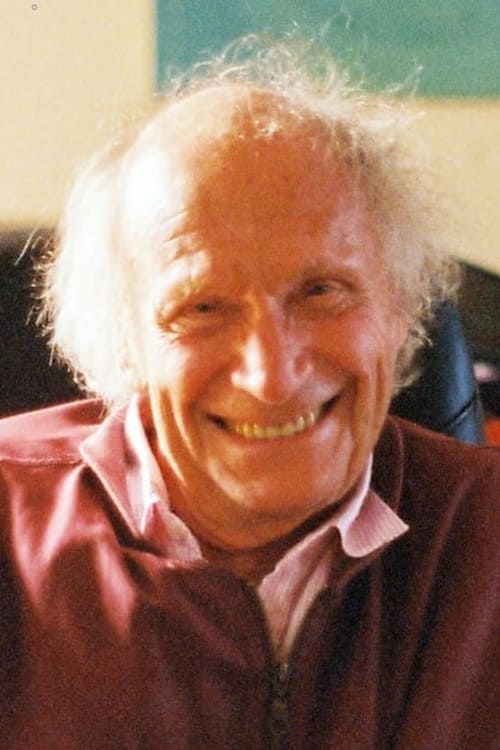
Ivry Gitlis (25 August 1922 – 24 December 2020) was an Israeli virtuoso violinist and UNESCO Goodwill Ambassador. He performed with the world's top orchestras, including the London Philharmonic, New York Philharmonic, Berlin Philharmonic, Vienna Philharmonic, Philadelphia Orchestra, and Israel Philharmonic Orchestra. Yitzhak-Meir (Isaac) Gitlis was born on 25 August 1922 in Haifa, Israel to Jewish parents, who emigrated in 1921 from Kamianets-Podilskyi, Ukraine. Gitlis acquired his first violin when he was five years old and started lessons under Mme Velikovsky together with his friend Zvi Zeitlin. He then studied privately with Mira Ben-Ami, a pupil of Joseph Szigeti. When he was eight, she arranged for him to play for Bronisław Huberman, which prompted a fundraising campaign to allow him to study in France. In 1933, he arrived with his mother in Paris and started to take lessons with Marcel Chailley, husband of the pianist Céliny Chailley-Richez. Being very close to their family, he was introduced to George Enescu and Jacques Thibaud. In that period, he decided to change his birth name (Isaac) to Ivry. At 11, Gitlis (Jitlis) entered the Conservatoire de Paris in the class of Jules Boucherit, and graduated in 1935. In 1938–1940, his teachers included George Enescu and Jacques Thibaud in Paris and Carl Flesch in Spa, Belgium and later in London. In 1940, during World War II, he went to London where he first worked for two years in a war factory and was then assigned to the artists branch of the British Army. He gave numerous concerts for the Allied soldiers and in war factories. After the war he made his successful debut with the London Philharmonic Orchestra and subsequently played with the BBC and all other principal orchestras of Great Britain. In 1951, as suggested by his teacher Alice Pashkus, he participated in the Long-Thibaud Competition in Paris, where he took fifth place. During the preliminary stages of the competition, a rumor circulated that he had stolen a Stradivarius violin during the war, which caused a scandal on the day of the final. Six years after the fall of Hitler, being a Jew in France was still causing debate. In the same year, Gitlis made his debut in Paris, playing in a recital at the Salle Gaveau, sponsored by the music manager Marcel de Valmalète (9 July 1951). In the 1950s, he moved to the United States where he met Jascha Heifetz. There he made several tours, managed by Sol Hurok, including those conducted by Eugene Ormandy (Tchaikovsky, in Philadelphia) and George Szell (Sibelius, on 15,16 and 18 December 1955 in New York). Back in Europe, between 1954 and 1955, he recorded for the Vox label concertos by Berg (Violin Concerto "To the memory of an angel", coupled with "Chamber Concerto" -Vox PL 8660- which was awarded a "Grand Prix du Disque" in 1954), Tchaikovsky, Mendelssohn, Stravinsky (Violin Concerto, coupled with "Duo Concertant") and with the conductor Jascha Horenstein, Bartók, Bruch and Sibelius. His recording of Bartók's 2nd Violin Concerto and Solo Violin Sonata -Vox PL 9020- received the "Best Record of the Year" award from the New York Herald Tribune in 1955. ... Source: Article "Ivry Gitlis" from Wikipedia in english, licensed under CC-BY-SA 3.0.
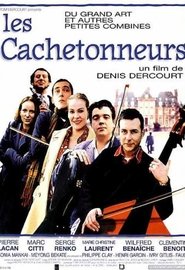
Ivry Gitlis est un violoniste franco-israélien, né le 25 août 1922 à Haïfa (alors en Palestine mandataire) et mort le 24 décembre 2020 à Paris. Il était ambassadeur honoraire de l'Unesco (1990). Originaires de Kamenets-Podolski, aujourd’hui en Ukraine, les parents d’Ivry Gitlis se rencontrent lors de leur départ pour la Palestine mandataire, où il naît à Haïfa en 1922. Un grand-père chantre de synagogue, un père modeste artisan puis meunier, pas de pression familiale sur ce fils unique: c’est le jeune Ivry qui réclame un violon à l’âge de quatre ans. Son entourage se cotise pour lui offrir l’instrument et les premières leçons. Les progrès sont fulgurants. Il donne son premier concert à sept ans. Ses dons musicaux sont vite remarqués par l’influent Bronislaw Huberman (fondateur de l’orchestre de Palestine) qui encourage l’enfant prodige à travailler en Europe. Ce sera le départ pour Paris, tout d’abord, avec l’expérience en demi-teinte du Conservatoire avec Jules Boucherit, puis à Londres où il travaille avec Carl Flesch, enfin, il reçoit aussi un enseignement particulier avec des géants du violon (Jacques Thibaud et Georges Enesco, tous deux élèves de Martin-Pierre Marsick). À Londres, à l’approche de la guerre, période agitée pour le jeune violoniste, il connaît ses premiers succès devant l’armée britannique tout en se portant volontaire pour travailler dans une usine de munitions. Après la guerre, il fait ses débuts avec l’orchestre philharmonique de Londres et enregistre pour la BBC radio. Puis, au début des années 1950, c’est la découverte des États-Unis et la rencontre avec Jascha Heifetz et le grand pédagogue Théodore Paskus. En 1955, il rentre dans «l’écurie» du plus grand imprésario de l’époque, Sol Hurok, qui fera d’Ivry un symbole, le premier violoniste israélien à aller jouer en URSS. Parallèlement, plusieurs tournées ont lieu à travers les États-Unis avec des chefs comme Eugene Ormandy et George Szell. Viennent ensuite les premiers enregistrements pour relayer les concerts. Ses interprétations des grands concertos du XXe siècle, comme Alban Berg, Igor Stravinsky, Jean Sibelius, Béla Bartók, sont saluées par les plus hautes récompenses en France comme aux États-Unis. Dans les années 1960, c’est le retour à Paris, où Gitlis réside le plus régulièrement entre deux tournées. Il devient un des interprètes les plus demandés de la scène classique internationale et donne des concerts avec les plus grands orchestres. Ses disques d’anthologie, des grandes œuvres de virtuosité du répertoire, sont des succès populaires. Ses apparitions sur les chaînes de télévision sont nombreuses, et il contribue ainsi largement à populariser la musique classique auprès du grand public. En 1974, il accompagne au violon Barbara à son piano dans «Une petite cantate», et qu'il a invitée pour son émission «Top à…» des Maritie et Gilbert Carpentier. Il joue notamment la gavotte de la Partita pour violon seul no 3 de Bach. C’est ainsi qu’en 1981, il tient avec bonheur le rôle de René Vivien, clochard violoniste, dans l’épisode Maigret et l’homme tout seul de la série Les Enquêtes du commissaire Maigret avec Jean Richard (première diffusion le 8 mai 1982). ... Source: Article "Ivry Gitlis" de Wikipédia en français, soumis à la licence CC-BY-SA 3.0.
伊夫里·吉特利斯(1922年8月25日-2020年12月24日)是以色列小提琴演奏家和联合国教科文组织亲善大使。他曾与世界顶级乐团合作演出,包括伦敦爱乐乐团、纽约爱乐乐团、柏林爱乐乐团、维也纳爱乐乐团、费城交响乐团和以色列爱乐乐团。 1922 年 8 月 25 日,伊扎克-梅厄 (Isaac) Gitlis 出生于以色列海法,父母是犹太人,他们于 1921 年从乌克兰的卡缅涅茨-波多利斯基移民。 吉特利斯在五岁时获得了他的第一把小提琴,并与他的朋友兹维·蔡特林一起开始在维利科夫斯基夫人的指导下上课。然后,他与约瑟夫·西盖蒂(Joseph Szigeti)的学生米拉·本·阿米(Mira Ben-Ami)私下学习。当他八岁时,她安排他为布罗尼斯瓦夫·胡伯曼(Bronisław Huberman)演奏,这促使他发起了一场筹款活动,允许他去法国学习。 1933年,他与母亲一起来到巴黎,开始与钢琴家塞利尼·夏利-里切兹的丈夫马塞尔·夏利(Marcel Chailley)一起上课。由于与家人非常亲近,他被介绍给乔治·埃内斯库和雅克·蒂博。在那段时间里,他决定将自己的本名(Isaac)改为Ivry。11岁时,吉特利斯(Jitlis)进入巴黎音乐学院,师从儒勒·布歇里(Jules Boucherit),并于1935年毕业。 1938年至1940年,他的老师包括巴黎的乔治·埃内斯库(George Enescu)和雅克·蒂博(Jacques Thibaud),以及比利时斯帕(Spa)的卡尔·弗莱施(Carl Flesch),后来又在伦敦。 1940年,在第二次世界大战期间,他去了伦敦,在那里他首先在一家战争工厂工作了两年,然后被分配到英国陆军的艺术家部门。他为盟军士兵和战争工厂举办了许多音乐会。战后,他在伦敦爱乐乐团首次亮相,随后与英国广播公司和英国所有其他主要管弦乐团合作演出。 1951年,在他的老师爱丽丝·帕什库斯(Alice Pashkus)的建议下,他参加了在巴黎举行的Long-Thibaud比赛,并获得了第五名。在比赛的预赛阶段,有传言说他在战争期间偷了一把斯特拉迪瓦里小提琴,这在决赛当天引起了丑闻。希特勒倒台六年后,在法国做犹太人仍然引起争论。同年,吉特利斯在巴黎首次亮相,在音乐经理马塞尔·德·瓦尔马莱特(Marcel de Valmalète)赞助的加沃厅(Salle Gaveau)举行了独奏会(1951年7月9日)。 在1950年代,他移居美国,在那里他遇到了Jascha Heifetz。在那里,他进行了几次巡回演出,由索尔·胡罗克(Sol Hurok)管理,包括尤金·奥曼迪(Eugene Ormandy,柴可夫斯基,费城)和乔治·泽尔(George Szell,西贝柳斯,1955年12月15日,16日和18日在纽约)进行的巡回演出。回到欧洲,在1954年至1955年之间,他为Vox唱片公司录制了伯格的协奏曲(小提琴协奏曲“纪念天使”,加上“室内协奏曲”-Vox PL 8660-1954年获得“唱片大奖”),柴可夫斯基,门德尔松,斯特拉文斯基(小提琴协奏曲,加上“二重奏协奏曲”)和指挥家亚沙·霍伦斯坦, 巴托克、布鲁赫和西贝柳斯。1955年,他录制的巴托克第二小提琴协奏曲和小提琴独奏奏鸣曲(Vox PL 9020)获得了《纽约先驱论坛报》颁发的“年度最佳唱片”奖。...
伊夫裏·吉特利斯(1922 年 8 月 25 日 - 2020 年 12 月 24 日)是以色列小提琴演奏家和聯合國教科文組織親善大使。他曾與世界頂級樂團合作演出,包括倫敦愛樂樂團、紐約愛樂樂團、柏林愛樂樂團、維也納愛樂樂團、費城交響樂團和以色列愛樂樂團。 1922 年 8 月 25 日,伊紮克 - 梅厄 (Isaac) Gitlis 出生於以色列海法,父母是猶太人,他們於 1921 年從烏克蘭的卡緬涅茨 - 波多利斯基移民。 吉特利斯在五歲時獲得了他的第一把小提琴,並與他的朋友茲維·蔡特林一起開始在維利科夫斯基夫人的指導下上課。然後,他與約瑟夫·西蓋蒂(Joseph Szigeti)的學生米拉·本·阿米(Mira Ben - Ami)私下學習。當他八歲時,她安排他為布羅尼斯瓦夫·胡伯曼(Bronisław Huberman)演奏,這促使他發起了一場籌款活動,允許他去法國學習。 1933 年,他與母親一起來到巴黎,開始與鋼琴家塞利尼·夏利 - 裏切茲的丈夫馬塞爾·夏利(Marcel Chailley)一起上課。由於與家人非常親近,他被介紹給喬治·埃內斯庫和雅克·蒂博。在那段時間裏,他決定將自己的本名(Isaac)改為 Ivry。11 歲時,吉特利斯(Jitlis)進入巴黎音樂學院,師從儒勒·布歇裏(Jules Boucherit),並於 1935 年畢業。 1938 年至 1940 年,他的老師包括巴黎的喬治·埃內斯庫(George Enescu)和雅克·蒂博(Jacques Thibaud),以及比利時斯帕(Spa)的卡爾·弗萊施(Carl Flesch),後來又在倫敦。 1940 年,在第二次世界大戰期間,他去了倫敦,在那裏他首先在一家戰爭工廠工作了兩年,然後被分配到英國陸軍的藝術家部門。他為盟軍士兵和戰爭工廠舉辦了許多音樂會。戰後,他在倫敦愛樂樂團首次亮相,隨後與英國廣播公司和英國所有其他主要管絃樂團合作演出。 1951 年,在他的老師愛麗絲·帕什庫斯(Alice Pashkus)的建議下,他參加了在巴黎舉行的 Long - Thibaud 比賽,並獲得了第五名。在比賽的預賽階段,有傳言説他在戰爭期間偷了一把斯特拉迪瓦裏小提琴,這在決賽當天引起了醜聞。希特勒倒台六年後,在法國做猶太人仍然引起爭論。同年,吉特利斯在巴黎首次亮相,在音樂經理馬塞爾·德·瓦爾馬萊特(Marcel de Valmalète)贊助的加沃廳(Salle Gaveau)舉行了獨奏會(1951 年 7 月 9 日)。 在 1950 年代,他移居美國,在那裏他遇到了 Jascha Heifetz。在那裏,他進行了幾次巡迴演出,由索爾·胡羅克(Sol Hurok)管理,包括尤金·奧曼迪(Eugene Ormandy,柴可夫斯基,費城)和喬治·澤爾(George Szell,西貝柳斯,1955 年 12 月 15 日,16 日和 18 日在紐約)進行的巡迴演出。回到歐洲,在 1954 年至 1955 年之間,他為 Vox 唱片公司錄制了伯格的協奏曲(小提琴協奏曲“紀念天使”,加上“室內協奏曲”-Vox PL 8660 - 1954 年獲得“唱片大獎”),柴可夫斯基,門德爾松,斯特拉文斯基(小提琴協奏曲,加上“二重奏協奏曲”)和指揮家亞沙·霍倫斯坦, 巴託克、布魯赫和西貝柳斯。1955 年,他錄制的巴託克第二小提琴協奏曲和小提琴獨奏奏鳴曲(Vox PL 9020)獲得了《紐約先驅論壇報》頒發的“年度最佳唱片”獎。. . .
Acting (9)