Italo Calvino
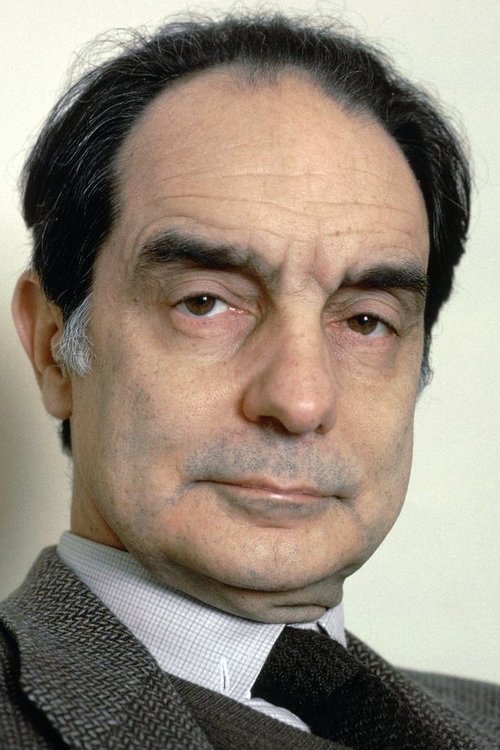
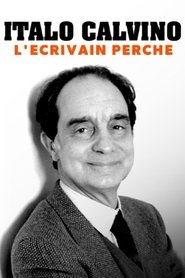
Italo Calvino (15 October 1923 – 19 September 1985) was an Italian writer and journalist. His best known works include the Our Ancestors trilogy (1952–1959), the Cosmicomics collection of short stories (1965), and the novels Invisible Cities (1972) and If on a winter's night a traveler (1979). Admired in Britain, Australia and the United States, Calvino was the most translated contemporary Italian writer at the time of his death. He is buried in the garden cemetery of Castiglione della Pescaia in Tuscany. Italo Calvino was born in Santiago de las Vegas, a suburb of Havana, Cuba, in 1923. His father, Mario, was a tropical agronomist and botanist who also taught agriculture and floriculture. Born 47 years earlier in Sanremo, Italy, Mario Calvino had emigrated to Mexico in 1909 where he took up an important position with the Ministry of Agriculture. In an autobiographical essay, Italo Calvino explained that his father "had been in his youth an anarchist, a follower of Kropotkin and then a Socialist Reformist". In 1917, Mario left for Cuba to conduct scientific experiments, after living through the Mexican Revolution. Calvino's mother, Giuliana Luigia Evelina "Eva" Mameli, was a botanist and university professor. A native of Sassari in Sardinia and 11 years younger than her husband, she married while still a junior lecturer at Pavia University. Born into a secular family, Eva was a pacifist educated in the "religion of civic duty and science". Eva gave Calvino his unusual first name to remind him of his Italian heritage, although since he wound up growing up in Italy after all, Calvino thought his name sounded "belligerently nationalist". Calvino described his parents as being "very different in personality from one another", suggesting perhaps deeper tensions behind a comfortable, albeit strict, middle-class upbringing devoid of conflict. As an adolescent, he found it hard relating to poverty and the working-class, and was "ill at ease" with his parents' openness to the labourers who filed into his father's study on Saturdays to receive their weekly paycheck. In 1925, less than two years after Calvino's birth, the family returned to Italy and settled permanently in Sanremo on the Ligurian coast. Calvino's brother Floriano, who became a distinguished geologist, was born in 1927. ... Source: Article "Italo Calvino" from Wikipedia in English, licensed under CC-BY-SA 3.0.
Italo Calvino, né le 15 octobre 1923 à Santiago de Las Vegas (Cuba) et mort le 19 septembre 1985 à Sienne (Italie), est un écrivain italien du XXe siècle. Rattaché au réalisme italien, voire à l'un de ses théoriciens, il n'en demeure pas moins aux yeux du grand public un fabuliste plein d'humour. Si sa trilogie Nos ancêtres, qui comprend Le Vicomte pourfendu (1952), Le Baron perché (1957) et Le Chevalier inexistant (1959), mêle fable et allégorie, il peut prendre pour cadre de ses récits la réalité quotidienne, tel qu'avec Marcovaldo, roman en deux parties paru en 1958 et 1963. Calvino était également membre de l'Oulipo et a aussi collaboré à divers scénarios pour le cinéma. Italo Calvino naît à Cuba où son père Mario (1875-1951), d'origine ligurienne, travaille comme agronome, et sa mère Eva Mameli Calvino (1886-1978), native de Sardaigne, est biologiste. En 1925, la famille rentre en Italie, alors mussolinienne, où le jeune Italo grandit (à Sanremo) et reçoit une éducation laïque et antifasciste. Lorsque la Seconde Guerre mondiale éclate, il interrompt ses études d'agronomie; en 1943, il rejoint les partisans des brigades Garibaldi. En 1945, il se retrouve à Turin où il participe à plusieurs journaux, s'inscrit au Parti communiste italien et entreprend des études de lettres qu'il conclut par un mémoire de littérature anglaise sur Joseph Conrad. À cette époque, il fait la connaissance de Cesare Pavese qui l'encourage à écrire. En 1947, il publie son premier roman, Le Sentier des nids d'araignées, qui évoque son expérience de résistant. L'œuvre rencontre un certain succès. En 1949 paraît Le Corbeau vient le dernier. Ces deux œuvres naissent dans l'atmosphère néoréaliste. En 1952, sur les conseils de son éditeur, il abandonne sa manière néo-réaliste pour se tourner vers le conte fantastique, à travers Le Vicomte pourfendu qui formera, avec Le Baron perché et Le Chevalier inexistant, la célèbre trilogie Nos ancêtres, vision allégorique de la condition humaine moderne. Entre 1950 et 1956, il entreprend la compilation et la traduction des Contes populaires italiens à partir de contes folkloriques du XIXe siècle. Après l'invasion de la Hongrie par les troupes soviétiques en 1956, Calvino se détourne du parti communiste et, progressivement, de l'engagement politique. Au début des années 1960, il défend, à travers deux articles, «La mer de l'objectivité» et «Le défi au labyrinthe», sa propre poétique dans un monde, y compris littéraire, de plus en plus complexe et indéchiffrable. Il publie en 1963 La Journée d'un scrutateur. En 1967, il s'installe à Paris où il entre en contact avec les membres de l'Oulipo, dont il devient formellement l'un des membres en 1973. Il rencontre Roland Barthes, Georges Perec, Claude Lévi-Strauss, ouvrant sur une période de redécouverte des classiques, parmi lesquels Honoré de Balzac, Ludovico Ariosto, Dante, Cervantès, Shakespeare, Giacomo Leopardi, tout autant que d'intérêt pour les sciences, naturelles et humaines, que l'on retrouve également dans ses récits, même sous forme de contes fantastiques comme Cosmicomics (1965). En 1964, Calvino se marie et sa fille naît l'année suivante. ... Source: Article "Italo Calvino" de Wikipédia en français, soumis à la licence CC-BY-SA 3.0.
伊塔洛·卡尔维诺(1923年10月15日—1985年9月19日)是意大利作家、记者。其最著名的作品包括《我们的祖先》三部曲(1952-1959)、短篇小说集《宇宙奇趣》(1965)以及小说《看不见的城市》(1972)与《如果在冬夜,一个旅人》(1979)。卡尔维诺在英美文学界备受推崇,逝世时已成为作品被翻译得最多的当代意大利作家。他安葬于托斯卡纳地区卡斯蒂廖内德拉佩斯卡亚的花园墓地。 1923年,卡尔维诺出生于古巴哈瓦那的卫星城圣地亚哥德拉斯维加斯。他的父亲马里奥是热带农学家兼植物学家,同时也教授农业与花卉栽培知识。早于卡尔维诺47年出生在意大利圣雷莫的马里奥,于1909年移居墨西哥并在农业部担任要职。在一篇自传体散文中,卡尔维诺曾解释父亲“青年时期曾是克鲁泡特金追随者式的无政府主义者,后来转变为社会主义改革派”。1917年亲历墨西哥革命后,马里奥前往古巴进行科学实验。 卡尔维诺的母亲朱莉安娜·路易吉娅·埃维莉娜·“艾娃”·马梅利是植物学家兼大学教授。这位来自撒丁岛萨萨里的女性比丈夫年轻11岁,在帕维亚大学担任初级讲师时便已成婚。出生于世俗家庭的艾娃是和平主义者,自幼接受“公民责任与科学信仰”的教育。她为儿子取了这个特别的教名以提醒其意大利血统,但卡尔维诺最终在意大利成长,反而觉得自己的名字带有“好战的民族主义色彩”。卡尔维诺形容父母“性格截然不同”,暗示在舒适严格却无冲突的中产阶级教养方式背后,或许存在着更深层的矛盾。少年时期的他难以理解贫困与工人阶级,并对父母每周六允许工人们涌入父亲书房领取薪水的开放态度感到“无所适从”。 1925年,在卡尔维诺出生不到两年后,全家返回意大利并永久定居于利古里亚海岸的圣雷莫。1927年,后来成为杰出地质学家的弟弟弗洛里亚诺在此出生。……
伊塔洛·卡爾維諾(1923 年 10 月 15 日 — 1985 年 9 月 19 日)是意大利作家、記者。其最著名的作品包括《我們的祖先》三部曲(1952 - 1959)、短篇小説集《宇宙奇趣》(1965)以及小説《看不見的城市》(1972)與《如果在冬夜,一個旅人》(1979)。卡爾維諾在英美文學界備受推崇,逝世時已成為作品被翻譯得最多的當代意大利作家。他安葬於托斯卡納地區卡斯蒂廖內德拉佩斯卡亞的花園墓地。 1923 年,卡爾維諾出生於古巴哈瓦那的衞星城聖地亞哥德拉斯維加斯。他的父親馬里奧是熱帶農學家兼植物學家,同時也教授農業與花卉栽培知識。早於卡爾維諾 47 年出生在意大利聖雷莫的馬里奧,於 1909 年移居墨西哥並在農業部擔任要職。在一篇自傳體散文中,卡爾維諾曾解釋父親“青年時期曾是克魯泡特金追隨者式的無政府主義者,後來轉變為社會主義改革派”。1917 年親歷墨西哥革命後,馬里奧前往古巴進行科學實驗。 卡爾維諾的母親朱莉安娜·路易吉婭·埃維莉娜·“艾娃”·馬梅利是植物學家兼大學教授。這位來自撒丁島薩薩裏的女性比丈夫年輕 11 歲,在帕維亞大學擔任初級講師時便已成婚。出生於世俗家庭的艾娃是和平主義者,自幼接受“公民責任與科學信仰”的教育。她為兒子取了這個特別的教名以提醒其意大利血統,但卡爾維諾最終在意大利成長,反而覺得自己的名字帶有“好戰的民族主義色彩”。卡爾維諾形容父母“性格截然不同”,暗示在舒適嚴格卻無衝突的中產階級教養方式背後,或許存在着更深層的矛盾。少年時期的他難以理解貧困與工人階級,並對父母每週六允許工人們涌入父親書房領取薪水的開放態度感到“無所適從”。 1925 年,在卡爾維諾出生不到兩年後,全家返回意大利並永久定居於利古里亞海岸的聖雷莫。1927 年,後來成為傑出地質學家的弟弟弗洛里亞諾在此出生。……
Acting (6)
Writing (21)