Rabindranath Tagore
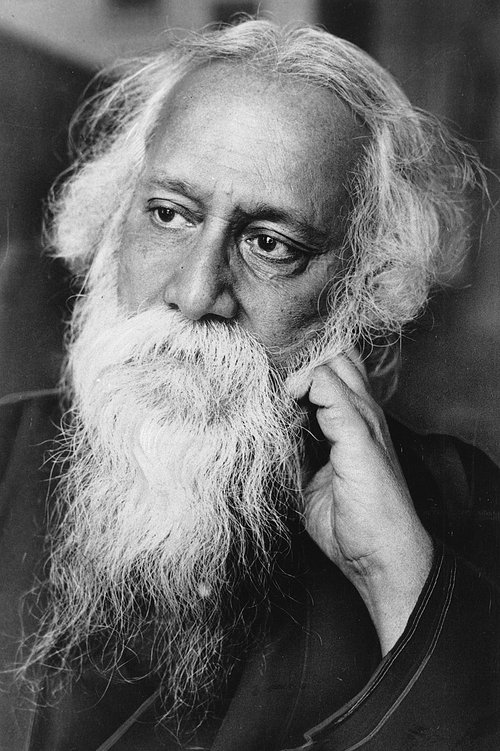
Rabindranath Tagore was a Bengali polymath — poet, writer, playwright, composer, philosopher, social reformer, and painter. He reshaped Bengali literature and music as well as Indian art in the late 19th and early 20th centuries. Author of the Gitanjali (Song Offerings), he became in 1913 the first non-European to win the Nobel Prize in Literature. Tagore's poetic songs were viewed as spiritual and mercurial; however, his "elegant prose and magical poetry" remain largely unknown outside Bengal. He is sometimes referred to as "the Bard of Bengal". Tagore wrote poetry as an eight-year-old. At the age of sixteen, he released his first substantial poems under the pseudonym Bhānusiṃha ("Sun Lion"). By 1877 he graduated to his first short stories and dramas, published under his real name. As a humanist, universalist, internationalist, and ardent anti-nationalist, he denounced the British Raj and advocated independence from Britain. As an exponent of the Bengal Renaissance, he advanced a vast canon that comprised paintings, sketches and doodles, hundreds of texts, and some two thousand songs; his legacy also endures in the institution he founded, Visva-Bharati University. Tagore modernised Bengali art by spurning rigid classical forms and resisting linguistic strictures. His novels, stories, songs, dance-dramas, and essays spoke to topics political and personal. Gitanjali (Song Offerings), Gora (Fair-Faced) and Ghare-Baire (The Home and the World) are his best-known works, and his verse, short stories, and novels were acclaimed—or panned—for their lyricism, colloquialism, naturalism, and unnatural contemplation. His compositions were chosen by two nations as national anthems: India's "Jana Gana Mana" and Bangladesh's "Amar Shonar Bangla". The Sri Lankan national anthem was inspired by his work. Description above is from the Wikipedia article Rabindranath Tagore, licensed under CC-BY-SA, full list of contributors on Wikipedia.
罗宾德拉纳特·泰戈尔是孟加拉博学巨匠——集诗人、作家、剧作家、作曲家、哲学家、社会改革家及画家于一身。在19世纪末至20世纪初,他重塑了孟加拉文学与音乐,并对印度艺术产生深远影响。作为《吉檀迦利》(献歌)的作者,他于1913年成为首位获得诺贝尔文学奖的非欧洲人。泰戈尔的诗性歌谣被视为充满灵性与变幻特质,然而其"典雅散文与奇幻诗歌"在孟加拉之外仍鲜为人知。他常被誉为"孟加拉诗圣"。 泰戈尔八岁开始写诗,十六岁时以笔名"般努辛赫"(意为"太阳雄狮")发表首批重要诗作。至1877年,他开始以本名出版短篇小说与戏剧。作为人文主义者、世界主义者、国际主义者和坚定的反民族主义者,他谴责英国殖民统治,倡导印度独立。作为孟加拉文艺复兴的旗手,他创造了涵盖绘画、素描、涂鸦、数百部著作及约两千首歌曲的浩瀚经典;其创办的维斯瓦-巴拉蒂大学亦延续着他的精神遗产。 泰戈尔通过摒弃僵化的古典形式与语言束缚,实现了孟加拉艺术的现代化。他的小说、故事、歌曲、舞剧及散文皆触及政治与个人议题。《吉檀迦利》《戈拉》与《家庭与世界》是其最负盛名的作品,其诗歌、短篇小说及长篇小说因抒情性、口语化、自然主义与超验哲思而备受赞誉或争议。他的作品被两个国家选定为国歌:印度的《人民的意志》与孟加拉国的《金色的孟加拉》,斯里兰卡国歌亦深受其作品启发。
羅賓德拉納特·泰戈爾是孟加拉博學巨匠——集詩人、作家、劇作家、作曲家、哲學家、社會改革家及畫家於一身。在 19 世紀末至 20 世紀初,他重塑了孟加拉文學與音樂,並對印度藝術產生深遠影響。作為《吉檀迦利》(獻歌)的作者,他於 1913 年成為首位獲得諾貝爾文學獎的非歐洲人。泰戈爾的詩性歌謠被視為充滿靈性與變幻特質,然而其"典雅散文與奇幻詩歌"在孟加拉之外仍鮮為人知。他常被譽為"孟加拉詩聖"。 泰戈爾八歲開始寫詩,十六歲時以筆名"般努辛赫"(意為"太陽雄獅")發表首批重要詩作。至 1877 年,他開始以本名出版短篇小説與戲劇。作為人文主義者、世界主義者、國際主義者和堅定的反民族主義者,他譴責英國殖民統治,倡導印度獨立。作為孟加拉文藝復興的旗手,他創造了涵蓋繪畫、素描、塗鴉、數百部著作及約兩千首歌曲的浩瀚經典;其創辦的維斯瓦 - 巴拉蒂大學亦延續着他的精神遺產。 泰戈爾通過摒棄僵化的古典形式與語言束縛,實現了孟加拉藝術的現代化。他的小説、故事、歌曲、舞劇及散文皆觸及政治與個人議題。《吉檀迦利》《戈拉》與《家庭與世界》是其最負盛名的作品,其詩歌、短篇小説及長篇小説因抒情性、口語化、自然主義與超驗哲思而備受讚譽或爭議。他的作品被兩個國家選定為國歌:印度的《人民的意志》與孟加拉國的《金色的孟加拉》,斯裏蘭卡國歌亦深受其作品啓發。
Directing (1)
Writing (78)
… and 18 more
Crew (10)