Jorge Amado
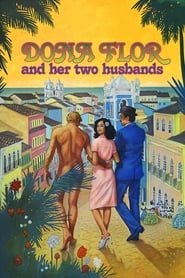
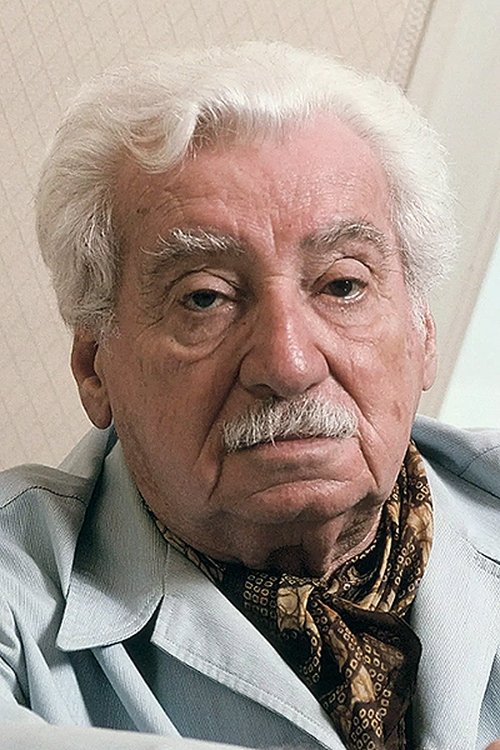
Jorge Leal Amado de Faria (10 August 1912 – 6 August 2001) was a Brazilian writer of the modernist school. He remains the best known of modern Brazilian writers, with his work having been translated into some 49 languages and popularized in film, notably Dona Flor and Her Two Husbands in 1976. His work reflects the image of a Mestiço Brazil and is marked by religious syncretism. He depicted a cheerful and optimistic country that was beset, at the same time, with deep social and economic differences. He occupied the 23rd chair of the Brazilian Academy of Letters from 1961 until his death in 2001. He won the 1984 International Nonino Prize in Italy. He also was Federal Deputy for São Paulo as a member of the Brazilian Communist Party between 1947 and 1951. Amado was born on Saturday, 10 August 1912, on a farm near the inland city of Itabuna, in the south of the Brazilian state of Bahia. He was the eldest of four sons of João Amado de Faria and D. Eulália Leal. The farm was located in the village of Ferradas, which, though today is a district of Itabuna, was at the time administered by the coastal city of Ilhéus. For this reason he considered himself a citizen of Ilhéus. From his exposure to the large cocoa plantations of the area, Amado knew the misery and the struggles of the people working the land and living in almost enslaved conditions. This was to be a theme present in several of his works (for example, The Violent Land of 1944). As a result of a smallpox epidemic, his family moved to Ilhéus when he was one year old, and he spent his childhood there. He attended high school in Salvador, the capital of the state. By the age of 14 Amado had begun to collaborate with several magazines and took part in literary life, as one of the founders of the Modernist "Rebels' Academy". He was the cousin of Brazilian lawyer, writer, journalist and politician Gilberto Amado, and of Brazilian actress and screenwriter Véra Clouzot. Amado published his first novel, The Country of Carnival, in 1931, at age 18. He married Matilde Garcia Rosa and had a daughter, Lila, in 1933. The same year he published his second novel, Cacau, which increased his popularity. He studied law at the Federal University of Rio de Janeiro Faculty of Law but never became a practising lawyer. His leftist activities made his life difficult under the dictatorial regime of Getúlio Vargas. In 1935 he was arrested for the first time, and two years later his books were publicly burned. His works were banned from Portugal, but in the rest of Europe he gained great popularity with the publication of Jubiabá in France. The book received enthusiastic reviews, including that of Nobel prize Award winner Albert Camus. In the early 1940s, Amado edited a literary supplement for the Nazi-funded political newspaper "Meio-Dia". Being a communist militant, from 1941 to 1942 Amado was compelled to go into exile to Argentina and Uruguay. When he returned to Brazil he separated from Matilde Garcia Rosa. In 1945 he was elected to the National Constituent Assembly, as a representative of the Brazilian Communist Party (PCB) (he received more votes than any other candidate in the state of São Paulo). He signed a law granting freedom of religious faith. ... Source: Article "Jorge Amado" from Wikipedia in English, licensed under CC-BY-SA 3.0.
Jorge Amado de Faria, né le 10 août 1912 à Itabuna, dans l'État de Bahia, et mort le 6 août 2001 à Salvador, dans l'État de Bahia, est un écrivain brésilien de l'école moderniste. Un des plus grands auteurs brésiliens, Jorge Amado est né à Itabuna au sud de l'État de Bahia dans une fazenda. Fils de João Amado de Faria et de D. Eulália Leal, Jorge Amado arrive en 1931 à Rio de Janeiro pour y étudier le droit. Son œuvre, traduite en 49 langues, se déroule le plus souvent dans les bas-fonds des communautés noires et mulâtres de la province de Bahia où il a presque toujours vécu, si ce n'est, au début des années 1950, pendant deux ou trois années d'exil politique à Paris, Prague et Dobříš, siège de l'Union des écrivains tchécoslovaques qui l'accueille pendant ce séjour forcé en Europe. Athée, il devient membre du Parti communiste brésilien (PCB). Il commence comme militant communiste de 1941 à 1942, mais il doit s'exiler en Argentine et en Uruguay. Quand il revient au Brésil, il se sépare de sa première femme Matilde Garcia Rosa. Il est élu, au nom de ce même parti, à l'Assemblée nationale constituante de 1945. La même année, il se remarie avec l'écrivaine Zélia Gattai. En 1947, il a un fils, João Jorge. La même année, le parti communiste est déclaré illégal: ses membres sont arrêtés et persécutés. Amado choisit l'exil avec sa famille et se réfugie en France. Il demeure à Paris jusqu'en 1950, période durant laquelle, sa femme, Zélia Gattai obtient un diplôme de littérature à la Sorbonne. Puis il part en Tchécoslovaquie jusqu'en 1952. Il voyage ensuite en Union soviétique. En Europe, il rencontre Picasso et Aragon. À son retour au Brésil, en 1955, Amado abandonne l'activité politique et quitte le Parti communiste brésilien. C'est l'auteur le plus adapté à la télévision brésilienne, et au cinéma, avec Tieta d'Agreste, Dona Flor et ses deux maris, et Gabriela, girofle et cannelle. En 1984, il a été promu commandeur de la Légion d'honneur par le président de la République française Mitterrand. Il est lauréat du prix Lénine pour la paix en 1951 et du Goncourt brésilien, le prix Camões en 1994, ainsi que de nombreux autres prix. Il était membre du comité d'honneur de la Maison internationale des poètes et des écrivains à Saint-Malo. Source: Article "Jorge Amado" de Wikipédia en français, soumis à la licence CC-BY-SA 3.0.
Jorge Leal Amado de Faria OMC • GOSE • GOIH• CBJM ou apenas Jorge Amado foi um dos mais famosos e traduzidos escritores brasileiros de todos os tempos. Integrou os quadros da intelectualidade comunista brasileira desde o final da primeira metade do século XX - ideologia presente em várias obras, como a retratação dos moradores do trapiche baiano em Capitães da Areia, de 1937. Em 1995, já descrente dos resultados práticos do comunismo, deixa o PCB (Partido Comunista Brasileiro), despejando fortes críticas à ideologia comunista. Jorge é o autor mais adaptado do cinema, do teatro e da televisão. Verdadeiros sucessos como Dona Flor e Seus Dois Maridos, Tenda dos Milagres, Tieta do Agreste, Gabriela, Cravo e Canela e Tereza Batista Cansada de Guerra foram criações suas. A obra literária de Jorge Amado – 49 livros, ao todo – também já foi tema de escolas de samba por todo o País. Seus livros foram traduzidos em 80 países, em 49 idiomas, bem como em braille e em fitas gravadas para cegos. Jorge foi superado, em número de vendas, apenas por Paulo Coelho. Mas em seu estilo - o romance ficcional -, não há paralelo no Brasil. Em 1994, a sua obra foi reconhecida com o Prémio Camões.
若热·阿马多·德·法里亚(1912年8月10日-2001年8月6日)是巴西现代主义文学流派的作家。作为当代巴西最负盛名的作家,其作品被翻译成约49种语言,并多次被改编为电影,其中1976年的《弗洛尔和她的两个丈夫》尤为著名。他的作品展现了巴西混血文化的独特面貌,充满宗教融合色彩,既描绘了这个国家欢快乐观的精神,也揭示了其深刻的社会经济矛盾。 1961年至2001年逝世期间,他担任巴西文学院第23席院士。1984年荣获意大利诺尼诺国际奖。1947年至1951年间,他曾作为巴西共产党代表担任圣保罗州的联邦众议员。 阿马多于1912年8月10日星期六出生在巴伊亚州南部内陆城市伊塔布纳附近的农场,是若昂·阿马多·德·法里亚与欧拉利亚·莱亚尔夫妇的长子。当时农场所在的费拉达斯村归沿海城市伊列乌斯管辖,因此他始终自视为伊列乌斯人。童年时期目睹可可种植园劳工近乎被奴役的悲惨生活,成为他日后多部作品(如1944年《无边的土地》)的核心主题。 因天花疫情爆发,他周岁时随家人移居伊列乌斯并在那里度过童年,后赴州首府萨尔瓦多读中学。14岁起他开始为多家杂志撰稿,参与文学活动,并成为现代主义“叛逆者学院”的创始人之一。 他是巴西律师、作家、记者兼政治家吉尔贝托·阿马多的堂兄弟,也是巴西女演员兼编剧薇拉·克卢佐的堂兄弟。 1931年,18岁的阿马多出版处女作《狂欢节之国》。1933年与玛蒂尔德·加西亚·罗莎结婚并育有一女莉拉,同年出版第二部小说《可可》,由此声名鹊起。 他曾就读于里约热内卢联邦大学法学院,但从未执业。左翼活动使他在热图利奥·瓦加斯独裁统治时期屡遭迫害:1935年首次被捕,两年后其著作被公开焚毁,作品在葡萄牙遭禁。但随着《儒比亚巴》在法国出版,他在欧洲其他地区广受推崇,诺贝尔奖得主阿尔贝·加缪曾为其撰写热情洋溢的评论。 1940年代初期,阿马多曾为纳粹资助的政治报纸《正午》编辑文学副刊。1941至1942年,作为共产主义者他被迫流亡阿根廷与乌拉圭。返巴西后与玛蒂尔德分居。1945年他作为巴西共产党代表当选制宪会议议员(在圣保罗州得票数居首),其间推动签署了宗教信仰自由法。
若熱·阿馬多·德·法里亞(1912 年 8 月 10 日-2001 年 8 月 6 日)是巴西現代主義文學流派的作家。作為當代巴西最負盛名的作家,其作品被翻譯成約 49 種語言,並多次被改編為電影,其中 1976 年的《弗洛爾和她的兩個丈夫》尤為著名。他的作品展現了巴西混血文化的獨特面貌,充滿宗教融合色彩,既描繪了這個國家歡快樂觀的精神,也揭示了其深刻的社會經濟矛盾。 1961 年至 2001 年逝世期間,他擔任巴西文學院第 23 席院士。1984 年榮獲意大利諾尼諾國際獎。1947 年至 1951 年間,他曾作為巴西共產黨代表擔任聖保羅州的聯邦眾議員。 阿馬多於 1912 年 8 月 10 日星期六出生在巴伊亞州南部內陸城市伊塔布納附近的農場,是若昂·阿馬多·德·法里亞與歐拉利亞·萊亞爾夫婦的長子。當時農場所在的費拉達斯村歸沿海城市伊列烏斯管轄,因此他始終自視為伊列烏斯人。童年時期目睹可可種植園勞工近乎被奴役的悲慘生活,成為他日後多部作品(如 1944 年《無邊的土地》)的核心主題。 因天花疫情爆發,他周歲時隨家人移居伊列烏斯並在那裏度過童年,後赴州首府薩爾瓦多讀中學。14 歲起他開始為多家雜志撰稿,参與文學活動,並成為現代主義“叛逆者學院”的創始人之一。 他是巴西律師、作家、記者兼政治家吉爾貝托·阿馬多的堂兄弟,也是巴西女演員兼編劇薇拉·克盧佐的堂兄弟。 1931 年,18 歲的阿馬多出版處女作《狂歡節之國》。1933 年與瑪蒂爾德·加西亞·羅莎結婚並育有一女莉拉,同年出版第二部小説《可可》,由此聲名鵲起。 他曾就讀於里約熱內盧聯邦大學法學院,但從未執業。左翼活動使他在熱圖利奧·瓦加斯獨裁統治時期屢遭迫害:1935 年首次被捕,兩年後其著作被公開焚毀,作品在葡萄牙遭禁。但隨着《儒比亞巴》在法國出版,他在歐洲其他地區廣受推崇,諾貝爾獎得主阿爾貝·加繆曾為其撰寫熱情洋溢的評論。 1940 年代初期,阿馬多曾為納粹資助的政治報紙《正午》編輯文學副刊。1941 至 1942 年,作為共產主義者他被迫流亡阿根廷與烏拉圭。返巴西後與瑪蒂爾德分居。1945 年他作為巴西共產黨代表當選制憲會議議員(在聖保羅州得票數居首),其間推動簽署了宗教信仰自由法。