Djamel-Eddine Chanderli
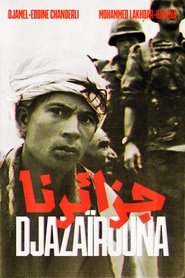
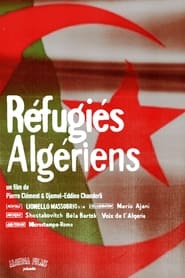
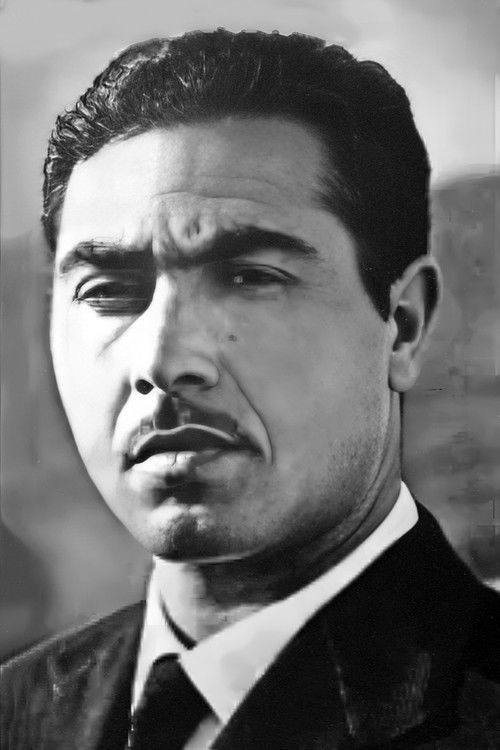
Djamel-Eddine Chanderli is an Algerian director, born in 1920 in Annaba. In 1956, in the middle of the Algerian war of independence, he joined the maquis and was considered the first Algerian to produce images from inside the country in struggle. In 1957, Djamel-Eddine was part of the team of the cinema service which was created by the GPRA (Provisional Government of the Algerian Republic). The first independent Algerian images of a documentary nature were therefore born in the maquis of the National Liberation Army (ALN) in 1957. Participating in a real war of images intended to counter colonial propaganda, they are known under the title “Ambush between EI -Arrouch and Azzaba” showing an ambush filmed in 1956. These images were intended to participate in the war against colonial France faced with the legitimacy of the Algerians' fight for their freedom; a fight that the whole world had to know about. Other notable productions took place in the middle of the war. Among them, The Ouenza Mine Attack, The ALN Nurses, The Refugees, in 1957. In 1961, there was Algeria in Flame, Sakiet Sidi Youcef, Djazaïrouna, The Rifles of Liberty , I'm 8 years old, The voice of the people, Let's go children for Algeria and Yasmina. A real war front was opened: the front of images which mobilized courageous activists like Djamel-Eddine Chanderli, Ahmed Rachedi, René Vautier, Yann Le Masson, Pierre Chaulet, Pierre Clément, Cécile de Cujis, Karl Gass, Mohamed Lakhdar Hamina and Stevan Labudovic. In 1958, Djamel-Eddine Chanderli directed with Pierre Clément "Algerian Refugees", a film about refugees at the borders. To prepare for the debate on the Algerian question at the UN, Chanderli, Mohamed Lakhdar Hamina and Pierre Chaulet were entrusted, in 1959, by the Ministry of Information of the GPRA with the production of "Djazaïrouna" (Our Algeria), a film by montage intended to enlighten the international community on the objectives pursued by the Algerian resistance fighters. In 1961, he made a short fiction film which tells the story of little Yasmina, her flight after the bombing of her village, her wandering with her chicken to the border and her life among the refugees. After independence, Djamel Eddine Chanderli was one of the heads of the Algerian news office created in 1963. In 1969, he took care of the audiovisual service of Sonatrach. In 1979, he returned to Paris. Will take care of the audiovisual service of the Algerian Cultural Center in Paris, inaugurated in 1983, until his death on November 10, 1990.
جمال الدين شندرلي هو مخرج جزائري، ولد عام 1920 في عنابة. وفي عام 1956، وفي خضم حرب الاستقلال الجزائرية، انضم إلى الماكيس واعتبر أول جزائري ينتج صورا من داخل البلاد النضالية. في عام 1957، كان جمال الدين جزءًا من فريق خدمة السينما الذي أنشأته الحكومة المؤقتة للجمهورية الجزائرية. وهكذا ولدت الصور الجزائرية المستقلة الأولى ذات الطابع الوثائقي في مآوي جيش التحرير الوطني سنة 1957. وتشارك في حرب صور حقيقية تهدف إلى مواجهة الدعاية الاستعمارية، وهي معروفة تحت عنوان "كمين بين EI -" "العروش والعازبة" تظهر كمينًا تم تصويره عام 1956. وكان الهدف من هذه الصور هو المشاركة في الحرب ضد فرنسا الاستعمارية في مواجهة شرعية نضال الجزائريين من أجل حريتهم؛ معركة كان على العالم كله أن يعرفها. تم إنتاج إنتاجات بارزة أخرى في منتصف الحرب. من بينها، هجوم منجم الونزة، ممرضات ALN، اللاجئون، عام 1957. في عام 1961، كانت هناك الجزائر مشتعلة، ساقية سيدي يوسف، الجزائر، بنادق الحرية، عمري 8 سنوات، صوت الشعب. ، هيا يا أطفال الجزائر وياسمينة. تم فتح جبهة حرب حقيقية: جبهة الصور التي حشدت الناشطين الشجعان مثل جمال الدين شانديرلي، وأحمد راشدي، ورينيه فوتييه، ويان لو ماسون، وبيير شوليه، وبيير كليمان، وسيسيل دي كوجيس، وكارل غاس، ومحمد الأخضر حمينا، وستيفان لابودوفيتش. . في عام 1958، أخرج جمال الدين شاندرلي مع بيير كليمان فيلم "اللاجئون الجزائريون"، وهو فيلم عن اللاجئين على الحدود. للتحضير للمناقشة حول المسألة الجزائرية في الأمم المتحدة، عهدت وزارة الإعلام في GPRA في عام 1959 إلى تشاندرلي ومحمد الأخضر حمينا وبيير شوليت بإنتاج فيلم "جزائرنا" (جزائرنا). يهدف المونتاج إلى تنوير المجتمع الدولي حول الأهداف التي يسعى إليها مقاتلو المقاومة الجزائرية. في عام 1961، أخرج فيلماً روائياً قصيراً يحكي قصة الطفلة ياسمينة، وهروبها بعد قصف قريتها، وتجوالها مع دجاجتها إلى الحدود، وحياتها بين اللاجئين. بعد الاستقلال، كان جمال الدين شندرلي أحد رؤساء مكتب الأخبار الجزائري الذي تم إنشاؤه سنة 1963. وفي عام 1969، تولى مسؤولية الخدمة السمعية والبصرية لسوناطراك. وفي عام 1979 عاد إلى باريس. سيتولى الخدمة السمعية والبصرية بالمركز الثقافي الجزائري بباريس، الذي افتتح سنة 1983، إلى غاية وفاته في 10 نوفمبر 1990.
Djamel-Eddine Chanderli est un réalisateur algérien, né en 1920 à Annaba. Dès 1956, en pleine guerre d'indépendance Algérienne, il rejoint le maquis et est considéré comme le premier Algérien à produire des images de l'intérieur du pays en lutte. En 1957, Djamel-Eddine fait partie de l'équipe du service du cinéma qui a été créé par le GPRA (Gouvernement Provisoire de la République Algérienne). Les premières images algériennes indépendantes à caractère documentaire sont donc nées dans les maquis de l’Armée de Libération Nationale (ALN) en 1957. Participant à une véritable guerre des images censée contrer la propagande coloniale, elles sont connues sous le titre « Embuscade entre EI-Arrouch et Azzaba » montrant une embuscade filmée en 1956. Ces images avaient pour but de participer à la guerre contre la France coloniale mise face à la légitimité du combat des Algériens pour leur liberté ; un combat que le monde entier devait connaître. D’autres productions marquantes ont eu lieu en pleine guerre. Parmi elles, L’Attaque des mines de l’Ouenza, Les infirmières de l’ALN, Les réfugiés, en 1957. En 1961, il y a eu L’Algérie en flamme, Sakiet Sidi Youcef, Djazaïrouna, Les fusils de la liberté, J’ai 8 ans, La voix du peuple, Allons z’enfants pour l’Algérie et Yasmina. Un véritable front de guerre était ouvert : le front des images qui a mobilisé des militants courageux comme Djamel-Eddine Chanderli, Ahmed Rachedi, René Vautier, Yann Le Masson, Pierre Chaulet, Pierre Clément, Cécile de Cujis, Karl Gass, Mohamed Lakhdar Hamina et Stevan Labudovic. En 1958, Djamel-Eddine Chanderli réalise avec Pierre Clément "Réfugiés Algériens", un film sur les réfugiés aux frontières. Pour préparer le débat sur la question algérienne à l'ONU, Chanderli, Mohamed Lakhdar Hamina et Pierre Chaulet se voient confier, en 1959 par le ministère de l'Information du GPRA la réalisation de "Djazaïrouna" (Notre Algérie), un film de montage destiné à éclairer la communauté internationale sur les objectifs poursuivis par les maquisards algériens. En 1961, il réalise un court métrage de fiction qui raconte l'histoire de la petite Yasmina, de sa fuite après le bombardement de son village, de son errance avec sa poule jusqu'à la frontière et de sa vie parmi les réfugiés. Après l’indépendance, Djamel Eddine Chanderli fut l’un des responsables de l’office des actualités algériennes créé en 1963. En 1969, il s’occupe du service audivisuel de la Sonatrach. En 1979, il reprend le chemin de Paris. S’occupera du service audiovisuel du Centre culturel algérien de Paris, inauguré en 1983, et ce, jusqu’à son décès survenu le 10 novembre 1990.