Louis Daquin
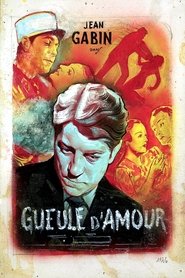
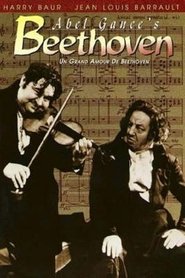
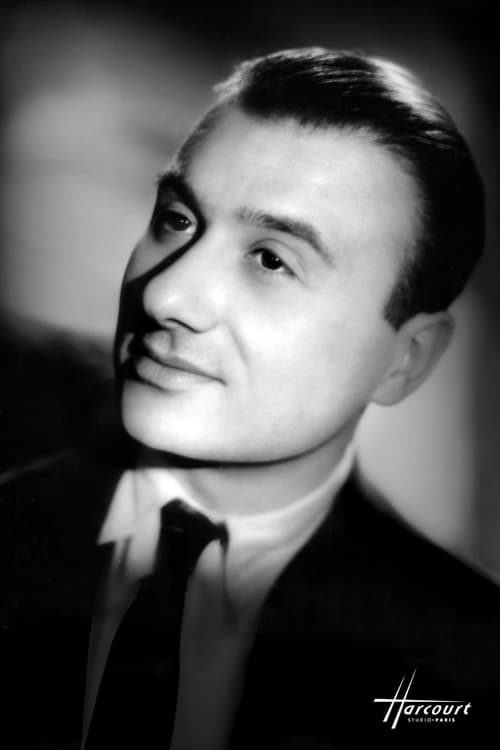
Louis Daquin is a French director and screenwriter, born May 30, 19081 in Calais and died October 2, 1980 in Paris, in a family of small traders. Law graduate and graduate of HEC, after having been a journalist, advertising editor at the Renault factories, and having tried his hand at theatrical writing, Louis Daquin, Louis Léon Auguste Daquin of his full name, became assistant director in 1932, he worked notably with Fedor Ozep, Pierre Chenal, Julien Duvivier, Abel Gance and especially Jean Grémillon. He produced his first film in 1938 with the French version of Gerhard Lamprecht's film Le Joueur. He made several feature films during the Occupation, while he was engaged in the Resistance with the French Communist Party, on whose behalf he shot a short film after the Liberation. He also wrote in 1941 a detective novel, The Enigma of Pelham, under the pseudonym of Lewis MacDakin. He held several positions during his career: secretary general of the Committee for the Liberation of Cinema in 1944, co-founder of the General Cooperative of French Cinema, secretary general of the CGT Film Production Technicians Syndicate from 1945 to 1962, and president of the Société des Réalisateurs de Films (SRF) from 1977 to 1978. The General Confederation of Labor (CGT) commissioned a documentary from him on the great miners' strike of 1948, in full strike, with commentary by Roger Vailland. Louis Daquin also offers his first major film role to Michel Piccoli, in "Le Point Du Jour", a chronicle again devoted to the life of miners in the North. Despite some noticed films, he encountered difficulties from the 1950s to finance his projects. His political commitments are indeed worth to him to be progressively marginalized. An adaptation of "Bel-Ami" was thus cut to pieces by censorship in the second half of the 1950s. He left to shoot in Romania "Les Chardons Du Baragan" in 1957, based on the novel by Panaït Istrati, East Berlin, an adaptation of "La Rabouilleuse", by Balzac. In 1962, he was content to be production manager on "Paris Brûle-T-Il?" by Rene Clement. He made his last film in 1963, "La Foire Aux Dunces". He began another career, in 1970, as director of studies at the Institut des Hautes Études Cographiques, until his retirement in 1977. Louis Daquin was married to actress Clara Gansard with whom he had two children, Jean-Michel and Marc Daquin. He was the natural father of the militant Trotskyist Michel Recanati. He disappeared on October 2, 1980 in Paris. The municipal cinema of Blanc-Mesnil (Seine-Saint-Denis) will bear his name. The municipal theater of La Ricamarie (Loire) is called Salle Louis-Daquin. In Oissel (Seine-Maritime), a street bears the name of Louis-Daquin.
Louis Daquin war ein französischer Regisseur und Drehbuchautor. Er wurde am 30. Mai 1908 in Calais geboren und starb am 2. Oktober 1980 in Paris in einer Kleinhändlerfamilie. Nach seinem Jura- und HEC-Abschluss arbeitete er als Journalist, Werberedakteur bei Renault und versuchte sich als Drehbuchautor. Louis Daquin, mit vollem Namen Louis Léon Auguste Daquin, wurde 1932 Regieassistent. Er arbeitete unter anderem mit Fedor Ozep, Pierre Chenal, Julien Duvivier, Abel Gance und insbesondere mit Jean Grémillon zusammen. Seinen ersten Film produzierte er 1938 mit der französischen Fassung von Gerhard Lamprechts Film „Le Joueur“. Während der Besatzungszeit drehte er mehrere Spielfilme und engagierte sich in der Résistance der Französischen Kommunistischen Partei, für die er nach der Befreiung einen Kurzfilm drehte. 1941 veröffentlichte er unter dem Pseudonym Lewis MacDakin den Kriminalroman „Das Rätsel von Pelham“. Im Laufe seiner Karriere bekleidete er verschiedene Positionen: 1944 war er Generalsekretär des Komitees zur Befreiung des Films, Mitbegründer der Allgemeinen Genossenschaft des französischen Films, von 1945 bis 1962 Generalsekretär der CGT-Filmproduktionstechniker-Gewerkschaft und von 1977 bis 1978 Präsident der Société des Réalisateurs de Films (SRF). Die Confederation General de Labor (CGT) beauftragte ihn mit der Produktion eines Dokumentarfilms über den großen Bergarbeiterstreik von 1948, der von Roger Vailland kommentiert wurde. Louis Daquin gab Michel Piccoli in „Le Point Du Jour“ seine erste große Filmrolle – einer Chronik über das Leben der Bergleute im Norden Frankreichs. Trotz einiger bemerkenswerter Filme hatte er ab den 1950er-Jahren Schwierigkeiten, seine Projekte zu finanzieren. Sein politisches Engagement führte schließlich zu seiner zunehmenden Marginalisierung. Eine Adaption von „Bel-Ami“ wurde in der zweiten Hälfte der 1950er Jahre zensurbedingt stark gekürzt. 1957 drehte er in Rumänien „Les Chardons Du Baragan“, basierend auf dem Roman von Panaït Istrati, und in Ostberlin eine Adaption von Balzacs „La Rabouilleuse“. 1962 übernahm er die Produktionsleitung von René Cléments „Paris Brûle-T-Il?“. Seinen letzten Film, „La Foire Aux Dunces“, drehte er 1963. 1970 begann er eine neue Karriere als Studiendirektor am Institut des Hautes Études Cographiques, wo er bis zu seiner Pensionierung 1977 tätig war. Louis Daquin war mit der Schauspielerin Clara Gansard verheiratet. Aus dieser Ehe gingen zwei Kinder hervor, Jean-Michel und Marc Daquin. Er war der leibliche Vater des militanten Trotzkisten Michel Recanati. Er verschwand am 2. Oktober 1980 in Paris. Das städtische Kino von Blanc-Mesnil (Seine-Saint-Denis) trägt seinen Namen. Das Stadttheater von La Ricamarie (Loire) heißt Salle Louis-Daquin. In Oissel (Seine-Maritime) ist eine Straße nach Louis-Daquin benannt.
Louis Daquin es un director y guionista francés, nacido el 30 de mayo de 19081 en Calais y fallecido el 2 de octubre de 1980 en París, en el seno de una familia de pequeños comerciantes. Licenciado en derecho y graduado de HEC, después de haber sido periodista, editor de publicidad en las fábricas de Renault y haber probado suerte en la escritura teatral, Louis Daquin, Louis Léon Auguste Daquin de su nombre completo, se convirtió en asistente de dirección en 1932, trabajó notablemente con Fedor Ozep, Pierre Chenal, Julien Duvivier, Abel Gance y especialmente Jean Grémillon. Produjo su primera película en 1938 con la versión francesa de la película Le Joueur de Gerhard Lamprecht. Hizo varios largometrajes durante la Ocupación, mientras participaba en la Resistencia con el Partido Comunista Francés, en cuyo nombre filmó un cortometraje después de la Liberación. También escribió en 1941 una novela policiaca, El enigma de Pelham, bajo el seudónimo de Lewis MacDakin. Ocupó varios cargos a lo largo de su carrera: secretario general del Comité para la Liberación del Cine en 1944, cofundador de la Cooperativa General del Cine Francés, secretario general del Sindicato de Técnicos de Producción Cinematográfica de la CGT de 1945 a 1962 y presidente de la Société des Réalisateurs de Films (SRF) de 1977 a 1978. La Confederación General del Trabajo (CGT) le encargó un documental sobre la gran huelga minera de 1948, en plena huelga, con comentarios de Roger Vailland. Louis Daquin también ofrece su primer gran papel cinematográfico a Michel Piccoli, en "Le Point Du Jour", una crónica nuevamente dedicada a la vida de los mineros en el Norte. A pesar de algunas películas destacadas, encontró dificultades a partir de la década de 1950 para financiar sus proyectos. Sus compromisos políticos sí le valen para ser marginado progresivamente. Una adaptación de "Bel-Ami" fue así despedazada por la censura en la segunda mitad de la década de 1950. Partió para rodar en Rumanía "Les Chardons Du Baragan" en 1957, basada en la novela de Panaït Istrati, Berlín Este, una adaptación de "La Rabouilleuse", de Balzac. En 1962, se conformó con ser director de producción de "Paris Brûle-T-Il?" por René Clemente. Hizo su última película en 1963, "La Foire Aux Dunces". Inició otra carrera, en 1970, como director de estudios en el Institut des Hautes Études Cographiques, hasta su jubilación en 1977. Louis Daquin estuvo casado con la actriz Clara Gansard con quien tuvo dos hijos, Jean-Michel y Marc Daquin. Fue padre natural del militante trotskista Michel Recanati. Desapareció el 2 de octubre de 1980 en París. El cine municipal de Blanc-Mesnil (Seine-Saint-Denis) llevará su nombre. El teatro municipal de La Ricamarie (Loire) se llama Salle Louis-Daquin. En Oissel (Seine-Maritime), una calle lleva el nombre de Louis-Daquin.
Louis Daquin est un réalisateur et scénariste français, né le 30 mai 19081 à Calais et mort le 2 octobre 1980 à Paris, dans une famille de petits commerçants. Licencié en droit et diplômé de HEC, après avoir été journaliste, rédacteur publicitaire aux usines Renault, et s'être essayé à l'écriture théâtrale, Louis Daquin, Louis Léon Auguste Daquin de son nom complet, devient assistant réalisateur en 1932, il travaille notamment avec Fedor Ozep, Pierre Chenal, Julien Duvivier, Abel Gance et surtout Jean Grémillon. Il signe sa première réalisation en 1938 avec la version française du film de Gerhard Lamprecht Le Joueur. Il réalise plusieurs longs-métrages pendant l'Occupation, alors qu'il est engagé dans la Résistance avec le Parti communiste français, pour le compte duquel il tourne un court-métrage après la Libération. Il écrit également en 1941 un roman policier, L'Énigme de Pelham, sous le pseudonyme de Lewis MacDakin. Il exerce plusieurs fonctions au cours de sa carrière : secrétaire général du Comité de Libération du Cinéma en 1944, cofondateur de la Coopérative Générale du Cinéma Français, secrétaire général du Syndicat des Techniciens de la Production Cinématographique CGT de 1945 à 1962, et président de la Société des Réalisateurs de Films (SRF) de 1977 à 1978. La Confédération Générale du Travail (CGT) lui commande un documentaire sur la grande grève des mineurs de 1948, en pleine grève, avec commentaire par Roger Vailland. Louis Daquin offre aussi son premier rôle d'envergure au cinéma à Michel Piccoli, dans Le "Point Du Jour", une chronique là encore consacrée à la vie des mineurs du Nord. Malgré quelques films remarqués, il rencontre des difficultés à partir des années 1950 pour financer ses projets. Ses engagements politiques lui valent en effet d'être progressivement marginalisé. Une adaptation de "Bel-Ami" est ainsi taillée en pièces par la censure dans la deuxième partie de ces années 1950. Il part tourner on Roumanie" Les Chardons Du Baragan" en 1957, d'après le roman de Panaït Istrati, puis à Berlin-Est, une adaptation de "La Rabouilleuse", de Balzac. En 1962, il se contente d'être directeur de production sur "Paris Brûle-T-Il ?" de René Clément. Il réalise son dernier film en 1963, "La Foire Aux Cancres". Il entame une autre carrière, en 1970, comme directeur des études de l'Institut des Hautes Études Cinématographiques, jusqu'à son départ à la retraite, en 1977. Louis Daquin était marié avec la comédienne Clara Gansard avec laquelle il a eu deux enfants, Jean-Michel et Marc Daquin. Il était le père naturel du militant trotskiste Michel Recanati. Il disparait le 2 octobre 1980 à Paris. Le cinéma municipal du Blanc-Mesnil (Seine-Saint-Denis) portera son nom. La salle municipale de spectacle de La Ricamarie (Loire) s'appelle salle Louis-Daquin. ÀOissel (Seine-Maritime), une rue porte le nom de Louis-Daquin.
Луи Дакен — французский режиссер и сценарист, родился 30 мая 19081 года в Кале и умер 2 октября 1980 года в Париже, в семье мелких торговцев. Выпускник юридического факультета и выпускник HEC, побывавший журналистом, редактором рекламы на заводах Renault и попробовавший свои силы в написании театральных постановок, Луи Дакен, полное имя Луи Леон Огюст Дакен, стал помощником режиссера в 1932 году. с Федором Озепом, Пьером Шеналем, Жюльеном Дювивье, Абелем Гансом и особенно Жаном Гремийоном. Он снял свой первый фильм в 1938 году с французской версией фильма Герхарда Лампрехта «Le Joueur». Он снял несколько художественных фильмов во время оккупации, в то время как участвовал в Сопротивлении с Коммунистической партией Франции, от имени которой он снял короткометражный фильм после Освобождения. Он также написал в 1941 году детективный роман «Загадка Пелхэма» под псевдонимом Льюис Макдакин. За свою карьеру он занимал несколько должностей: генеральный секретарь Комитета по освобождению кино в 1944 году, соучредитель Генерального кооператива французского кино, генеральный секретарь Синдиката специалистов по кинопроизводству CGT с 1945 по 1962 год и президент Société des Réalisateurs de Films (SRF) с 1977 по 1978 год. Всеобщая конфедерация труда (CGT) заказала у него документальный фильм о великой забастовке шахтеров 1948 года во время полной забастовки с комментариями Роджера Вайланда. Луи Дакен также предлагает свою первую главную роль в кино Мишелю Пикколи в «Le Point Du Jour», хронике, снова посвященной жизни шахтеров на Севере. Несмотря на несколько известных фильмов, в 1950-х годах он столкнулся с трудностями при финансировании своих проектов. Его политические обязательства действительно стоят того, чтобы он постепенно маргинализировался. Таким образом, во второй половине 1950-х годов цензура порезала экранизацию «Доброжелателя» на куски, и в 1957 году он уехал снимать в Румынии фильм «Шардоны дю Бараган» по роману Панайта Истрати, Восточный Берлин, экранизация «Рабуйеза» Бальзака. В 1962 году он довольствовался тем, что был менеджером по производству «Paris Brûle-T-Il?» Рене Клеман. В 1963 году он снял свой последний фильм «La Foire Aux Dunces». Он начал другую карьеру в 1970 году в качестве директора по исследованиям в Institut des Hautes Études Cographiques до выхода на пенсию в 1977 году. Луи Дакен был женат на актрисе Кларе Гансар, от которой у него было двое детей, Жан-Мишель и Марк Дакен. Он был родным отцом воинствующего троцкиста Мишеля Реканати. Пропал без вести 2 октября 1980 года в Париже. Муниципальный кинотеатр Блан-Мениль (Сен-Сен-Дени) будет носить его имя. Муниципальный театр Ла-Рикамари (Луара) называется Зал Луи-Дакена. В Уасселе (Приморская Сена) улица носит имя Луи-Дакена.
Directing (14)

Acting (6)
Writing (10)