John Wayne
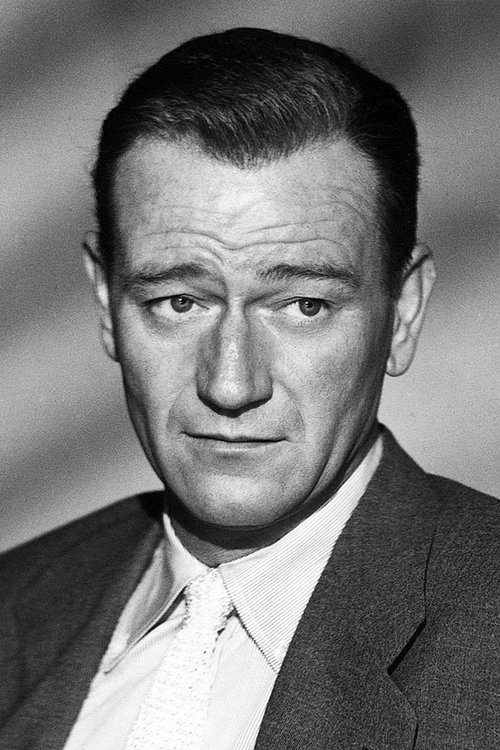
Marion Mitchell Morrison (born Marion Robert Morrison) (May 26, 1907 – June 11, 1979), known professionally as John Wayne and nicknamed Duke, was an American actor and filmmaker. An Academy Award-winner for True Grit (1969), Wayne was among the top box office draws for three decades. Born in Winterset, Iowa, Wayne grew up in Southern California. He was president of Glendale High class of 1925. He found work at local film studios when he lost his football scholarship to the University of Southern California as a result of a bodysurfing accident. Initially working for the Fox Film Corporation, he appeared mostly in small bit parts. His first leading role came in Raoul Walsh's The Big Trail (1930), which led to leading roles in numerous B movies throughout the 1930s, many of them in the Western genre. Wayne's career took off in 1939, with John Ford's Stagecoach making him an instant star. He went on to star in 142 pictures. Biographer Ronald Davis said, "John Wayne personified for millions the nation's frontier heritage. Eighty-three of his movies were Westerns, and in them, he played cowboys, cavalrymen, and unconquerable loners extracted from the Republic's central creation myth." Wayne's other well-known Western roles include a cattleman driving his herd north on the Chisholm Trail in Red River (1948), a Civil War veteran whose young niece is abducted by a tribe of Comanches in The Searchers (1956), and a troubled rancher competing with a lawyer for a woman's hand in marriage in The Man Who Shot Liberty Valance (1962). He is also remembered for his roles in The Quiet Man (1952), Rio Bravo (1959), and The Longest Day (1962). In his final screen performance, he starred as an aging gunfighter battling cancer in The Shootist (1976). He appeared with many important Hollywood stars of his era, and his last public appearance was at the Academy Awards ceremony on April 9, 1979.
Джон Уейн (1907–1979), роден като Марион Робърт Морисън, е легендарен американски актьор, режисьор и продуцент, известен като „Кралят на уестърна“. С над 180 роли в кариера, обхващаща 50 години (от нямото кино до 70-те), той се превръща в символ на американските ценности, грубоватия каубой и достойнството. Носител е на „Оскар“ за ролята си във филма „Непреклонните“ (1969).
John Wayne (Winterset, 26 de maig de 1907 - Los Angeles, 11 de juny de 1979), popularment conegut com «El Duc», fou un actor estatunidenc guanyador d'un Oscar i principalment conegut pels seus westerns. La seva carrera començava en el cinema mut durant els anys 1920. Fou una de les principals estrelles des dels anys 1940 fins als anys 1970. Famós sobretot pels seus westerns i èpiques de la Segona Guerra Mundial, també feia una gamma àmplia de pel·lícules de diversos gèneres, biografies, comèdies romàntiques, policíaques, etc. Tipificava una certa classe de masculinitat individualista tosca, convertint-se en una icona americana. Va morir de càncer l'11 de juny de 1979, setze dies després d'haver complert 72 anys.
John Wayne (* 26. Mai 1907 in Winterset, Iowa; † 11. Juni 1979 in Los Angeles; geboren als Marion Robert Morrison, später umbenannt in Marion Mitchell Morrison) war ein US-amerikanischer Filmschauspieler, Filmproduzent und Regisseur. Er zählte zu den einflussreichsten, erfolgreichsten und bestbezahlten Hollywood-Schauspielern seiner Zeit. Während seiner 50-jährigen Karriere trat Wayne kontinuierlich als Hauptdarsteller von Westernfilmen in Erscheinung. Der 1,93 m große Wayne prägte in Rollen wie der des raubeinigen Westmannes, Sheriffs, Marshals und Kavallerie-Kommandeurs in entscheidender Weise das Bild dieses Filmgenres. Für Der Marshal (1969) gewann Wayne den Oscar als Bester Hauptdarsteller. Er spielte in Westernklassikern wie Ringo (1939), Red River (1948), Der Schwarze Falke (1956) oder Rio Bravo (1959) und war auch häufig in Kriegs- und Abenteuerfilmen zu sehen. Als Schauspieler und Privatmann personifizierte er die traditionellen Wertvorstellungen der Pionierzeit und wurde zu einer überlebensgroßen Figur der amerikanischen Filmgeschichte. Wayne war vor allem in den USA unter dem Spitznamen The Duke (Der Herzog) bekannt, nach einem Hund, den er als Kind besaß. Quelle: Wikipedia
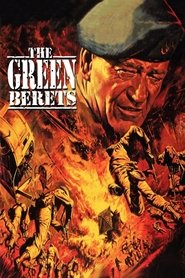
John Wayne, pseudonyme de Marion Mitchell Morrison (né Marion Robert Morrison), est un acteur, réalisateur et producteur américain né le 26 mai 1907 à Winterset (Iowa) et mort le 11 juin 1979 à Los Angeles. Au cours de ses cinquante ans de carrière, il a joué dans près de 180 films, notamment des films policiers, des films de guerre et quelques comédies romantiques ; mais c'est dans ses nombreux westerns que John Wayne s'est réellement imposé, particulièrement sous la direction de deux réalisateurs : John Ford (La Chevauchée fantastique en 1939, Le Massacre de Fort Apache et Le fils du désert en 1948, La Charge héroïque en 1949, Rio Grande en 1950, La Prisonnière du désert en 1956 ou encore L'Homme qui tua Liberty Valance en 1962) et Howard Hawks (La Rivière rouge en 1948, Rio Bravo en 1959, El Dorado en 1966 ou Rio Lobo en 1970). Il a tourné également plusieurs films sous la direction d'Henry Hathaway, dont Cent dollars pour un shérif en 1969, qui lui valut en 1970 l'Oscar du meilleur acteur (l'unique Oscar de sa carrière). En 1960, il passe derrière la caméra pour réaliser une fresque historique d'envergure, Alamo, relatant les derniers jours de Davy Crockett et ses compagnons lors de la guerre d'indépendance du Texas. Huit ans plus tard, il a co-réalise Les Bérets verts (1968), film engagé justifiant l'intervention américaine au Viêt Nam. Ses deux réalisations ont reflété l'engagement personnel de John Wayne, républicain et ardent patriote. Classé 13e plus grande star de légende par l'American Film Institute en 1999, John Wayne a été certainement un des acteurs les plus représentatifs du western, une incarnation à lui seul de l'Amérique conquérante. Surnommé « The Duke » (« le Duc »), il reste encore aujourd'hui, grâce à ses films, le symbole d'une certaine virilité. Il a interprété ce rôle d'homme viril, dur, solitaire et un peu machiste tout au long de sa carrière, ce qui lui fit déclarer : « J'ai joué John Wayne dans tous mes films et ça m'a plutôt pas mal réussi. »
Marion Mitchell Morrison (nato Marion Robert Morrison) (26 maggio 1907 – 11 giugno 1979), conosciuto professionalmente come John Wayne e soprannominato Duke, è stato un'attore e regista americano. Vincitore dell'Oscar per True Grit (1969), Wayne fu tra le principali attrazioni al botteghino per tre decenni. Nato a Winterset, Iowa, Wayne è cresciuto nel sud della California. Fu presidente della classe del Glendale High del 1925. Trovò lavoro negli studi cinematografici locali quando perse la borsa di studio per il football all'Università della California del Sud a causa di un incidente di bodysurf. Inizialmente lavorava per la Fox Film Corporation, apparendo principalmente in piccoli ruoli. Il suo primo ruolo da protagonista arrivò in The Big Trail (1930) di Raoul Walsh, che lo portò a ruoli da protagonista in numerosi film di serie B negli anni '30, molti dei quali nel genere western. La carriera di Wayne decollò nel 1939, con Stagecoach di John Ford che lo rese una star immediata. Successivamente recitò in 142 film. Il biografo Ronald Davis disse: "John Wayne incarnava per milioni di persone il patrimonio di frontiera della nazione. Ottantatré dei suoi film erano western, e in essi interpretava cowboy, cavalieri e solitari invincibili estratti dal mito centrale della creazione della Repubblica." Altri ruoli noti di Wayne nel western includono un allevatore di bestiame che guida il suo gregge verso nord sul Chisholm Trail in Red River (1948), un veterano della Guerra Civile la cui giovane nipote viene rapita da una tribù di Comanche in The Searchers (1956), e un allevatore problematico che compete con un avvocato per la mano di una donna in The Man Who Shot Liberty Valance (1962). È ricordato anche per i suoi ruoli in The Quiet Man (1952), Rio Bravo (1959) e The Longest Day (1962). Nella sua ultima interpretazione sullo schermo, interpretò un pistolero anziano che lottava contro il cancro in The Shootist (1976). Apparve con molte importanti star di Hollywood della sua epoca e la sua ultima apparizione pubblica fu alla cerimonia degli Academy Awards il 9 aprile 1979.
本名はMarion Michael Morrison。高校時代にいつも連れていた犬の名前から“デューク”のニックネームが付く。南カリフォルニア大学に入学後、フォックス撮影所でアルバイトをしている時にジョン・フォード監督と知り合う。30年、「ビッグ・トレイル」の主役に抜擢され、芸名をデューク・モリソンからジョン・ウェインに改名。39年、フォード監督の「駅馬車」に出演して人気を確立。以降、西部劇の人気スターとして活躍する傍ら、「拳銃の町」など製作者としても活動。マネー・メイキング・スターの常連として名を連ねるようになる。60年代に入ってからはガンに侵された体と戦いながらも出演を続け、69年「勇気ある追跡」にて念願のアカデミー主演男優賞を受賞。その後も活躍を重ね、76年の「ラスト・シューティスト」で自らを封印して事実上の引退。結婚は3回。長男のマイケルは映画プロデューサーとして父の作品にも関わり、パトリック、ジョン・イーサンの二人は俳優になった。度重なる手術後まもなく、周囲の反対をよそにアカデミー作品賞のプレゼンターとして授賞式に参加し、その二ヶ月後の6月11日に永眠した。墓標には“彼は醜く、強く、誇り高い男だった”と刻まれている。
Nascido Marion Robert Morrison, (Winterset, 26 de maio de 1907 — Los Angeles, 11 de junho de 1979), conhecido profissionalmente como John Wayne, e apelidado de Duke, foi um ator e cineasta estadunidense. Outro diretor renomado com quem Wayne trabalhou foi Howard Hawks, um dos maiores realizadores do período clássico hollywoodiano. Juntos, realizaram vários dos maiores sucessos, não apenas de suas carreiras, mas de todo o gênero do faroeste, como: Red River (1948), El Dorado (1967) e, principalmente, aquele que é um dos mais irretocáveis exemplares do gênero, Rio Bravo (1959).
Маріон Роберт Моррісон народився 26 травня 1907 року в Вінтерсеті, Айова. Батьки пізніше змінили йому ім’я на Маріон Майкл, щоб назвати Робертом наступного сина. Він був сином аптекаря, який збанкрутував під час кризи 1920-х. Навчаючись у Південно-Каліфорнійському університеті за футбольну стипендію, Моррісон підробляв у павільйонах «Фокс» і здружився з Джоном Фордом, що згодом зробив його зіркою. З 1928 року він знімався в невеликих ролях під псевдонімом Дюк Моррісон, де «Дюк» означає «герцог»; це прізвисько згодом стало таким самим відомим, як ім’я Джон Вейн. 1930 року режисер Рауль Волш довіряє йому першу головну роль у вестерні «Велика стежка». Саме Волш підбирає йому артистичний псевдонім Джон Вейн. Після цієї ролі високий молодик (190 сантиметрів зросту) приємної зовнішності протягом 30-х років з'являється у 80 вестернах. З точки зору сьогодення, це дуже часто нічого не варті стрічки, у яких Вейн гарцює на коні чи виспівує любовні балади під бренькіт гітари. Як актор, він відбувся лише 1939 року після ролі Рінґо Кіда у класичному вестерні Джона Форда «Диліжанс». По тому Вейн з'являється у наступних фільмах Форда (загалом у 18-ти), популярність актора набуває нечуваних розмірів. Будь-який фільм за його участю гарантує касові прибутки. Актор стає символом Америки. У деяких із цих фільмів Вейн навіть демонструє непогане акторство. Зокрема за роль у стрічці «Справжня мужність» (1969) актор отримує свого єдиного у житті «Оскара». До найкращих фільмів у доробку актора можна віднести воєнну драму «Довга дорога додому» (1939), цілу низку класичних вестернів кінця 1940-х років («Ріо Гранде», «Форт Апачі», «Червона ріка», «Вона одягла червону стрічку»). Окрім Форда, Вейн співпрацював із двома іншими геніальними постановниками вестернів, режисерами Говардом Гоуксом (5 фільмів) та Генрі Гетевеєм (7 фільмів). Актор отримав «Оскара» саме за роль у фільмі останнього. Він є режисером двох фільмів: історичний вестерн «Форт Аламо» та «Зелені берети», який показує участь армії США на боці антикомуністичних сил Сайгону проти в'єтконговців Ханою. Стрічка 1968 року з бюджетом 7 млн $ була високо оцінена ветеранами за реалістичність, але викликала критику в лівацьких колах. Пізніше Олівер Стоун зняв на аналогічну тему «Взвод» (1986) з тим самим бюджетом, але його фільм виглядає політичною карикатурою, тоді як стрічка Вейна зберегла реалістичність і актуальність. У 1960-х роках, коли класичний вестерн почав втрачати свою популярність, здоров'я Джона Вейна похитнулося. Він любив добряче випити, випалював щодня по 3-4 пачки сигарет, але головною причиною хвороби було інше. 1956 року актор знімався в ролі Чингісхана у фільмі режисера Діка Пауелла «Завойовник». Зйомки відбувалися у штаті Юта, поблизу атомного полігону. Знімальна група зазнала радіоактивного опромінення і майже половина її членів пізніше померла від раку, зокрема й виконавиця головної жіночої ролі Сьюзен Гейворд. 1963 року у Джона Вейна виявили рак легень, він пройшов кілька операцій і 5 років боровся з хворобою, після чого рак зник. Через 10 років діагностували рак шлунку, який став причиною його смерті. Вейн продовжував зніматися до останніх днів і помер у Лос‑Анджелесі 11 червня 1979 року.
Acting (241)



… and 181 more
Crew (16)