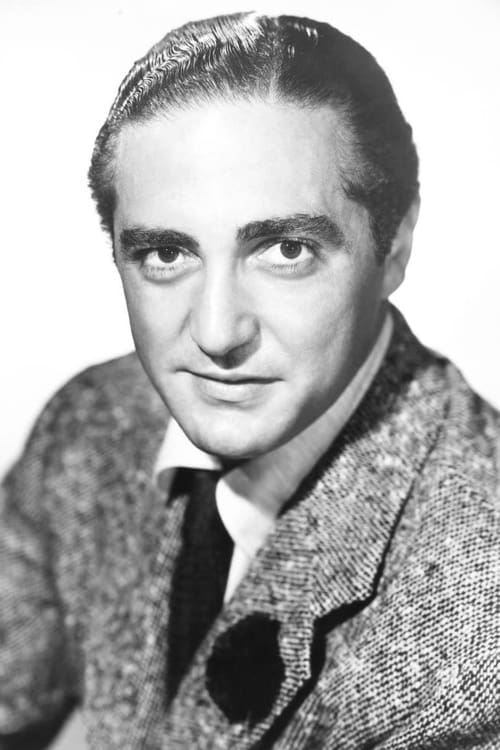
Sheldon Leonard
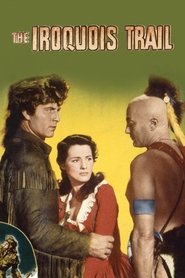
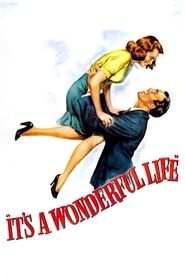
From Wikipedia, the free encyclopedia Sheldon Leonard Bershad (February 22, 1907 – January 11, 1997) was an American film and television actor, producer, director, and writer. Sheldon Leonard Bershad was born in Manhattan, New York City, the son of middle class Jewish parents Anna Levit and Frank Bershad. He graduated from Syracuse University in 1929. As an actor, Leonard specialized in playing supporting characters, especially gangsters or "heavies", in films such as It's a Wonderful Life (1946; as bartender Nick), To Have and Have Not (1944), Guys and Dolls (1955), and Open Secret (1948). His trademark was his especially thick New York accent, usually delivered from the side of his mouth. In Decoy (1946), Leonard uses his "heavy" persona to create the hard-boiled police detective Joe Portugal. On radio from 1945 to 1955, Leonard played an eccentric racetrack tout on The Jack Benny Program and later in the TV series of the same name. His role was to salute Benny out of the blue in railroad stations, on street corners, or in department stores ("Hey Bud. C'mere a minute."), ask Benny what he was about to do, and then proceed to try to argue him out of his course of action by resorting to inane and irrelevant racing logic. As "The Tout," he never gave out information on horse racing, unless Jack demanded it. One excuse the tout gave was, "Who knows about horses?" Leonard was part of the cast of voice actors on the Damon Runyon Theatre radio show (1948-1949). He was part of the ensemble cast of the Martin and Lewis radio show. He also appeared frequently on The Adventures of the Saint, often playing gangsters and heavies, but also sometimes in more positive roles. Leonard was also a regular on the radio comedy series The Adventures of Maisie in the 1940s. During the 1950s, Leonard provided the voice of lazy fat cat Dodsworth in two Warner Bros. Merrie Melodies cartoons directed by Robert McKimson. In the adventure movie The Iroquois Trail (1950), Leonard played against type in the significant role of Chief Ogane, a Native American warrior, who pursues and fights the frontiersman Nat "Hawkeye" Cutler (George Montgomery) in a climactic duel to the death with knives. Later in the 1950s and 1960s, he established a reputation as a producer of successful television series, including The Danny Thomas Show (aka Make Room For Daddy) (1953–64), The Andy Griffith Show (1960–68), Gomer Pyle U.S.M.C. (1964–69), The Dick Van Dyke Show (1961–66), and I Spy (1965–68). He also directed several TV series episodes, including four of the first eight episodes of the TV series Lassie (Season 1, 1954). Leonard also provided the voice of Linus the Lionhearted in a series of Post Crispy Critters cereal TV commercials in 1963-64, which led to a Linus cartoon series that aired on Saturday (and later, Sunday) mornings on CBS (1964–66) and ABC (1967–69). He also was briefly the star of his own television show Big Eddie (1975), where he played the owner of a large sports arena. The show lasted for only ten episodes.
Sheldon Leonard Bershad (Manhattan, Nova York, 22 de febrer de 1907 - Beverly Hills, Califòrnia, 11 de gener de 1997) va ser un actor, productor, director i guionista de cinema i televisió nord-americà.
Sheldon Leonard Bershad (22. Februar 1907 – 11. Januar 1997) war ein US-amerikanischer Film- und Fernsehschauspieler, Produzent, Regisseur und Drehbuchautor. Er wurde in Manhattan, New York City, als Sohn der jüdischen Mittelklasseeltern Anna Levit und Frank Bershad geboren. 1929 schloss er sein Studium an der Syracuse University ab. Als Schauspieler spezialisierte sich Leonard auf Nebenrollen, insbesondere auf Gangster oder „Ganoven“, in Filmen wie „Ist das Leben nicht schön?“ (1946; als Barkeeper Nick), „Haben und Nichthaben“ (1944), „Guys and Dolls“ (1955) und „Open Secret“ (1948). Sein Markenzeichen war sein besonders starker New Yorker Akzent, den er meist seitlich aussprach. In „Decoy“ (1946) nutzte Leonard seine „Ganoven“-Persona, um den hartgesottenen Polizeidetektiv Joe Portugal zu verkörpern. Von 1945 bis 1955 spielte Leonard im Radio einen exzentrischen Wettprofi in der „Jack Benny Show“ und später in der gleichnamigen Fernsehserie. Seine Aufgabe war es, Benny in Bahnhöfen, an Straßenecken oder in Kaufhäusern unangekündigt zu grüßen („Hey Kumpel, komm mal her!“), ihn nach seinen Plänen zu fragen und ihn dann mit absurden und irrelevanten Argumenten aus der Welt der Pferderennen von seinem Vorhaben abzubringen. Als „Wettprofi“ gab er nie Informationen über Pferderennen preis, es sei denn, Jack verlangte sie. Eine seiner Ausreden war: „Wer kennt sich schon mit Pferden aus?“ Leonard gehörte zum Sprecherensemble der Radiosendung „Damon Runyon Theatre“ (1948–1949). Er war Teil des Ensembles der Radiosendung „Martin and Lewis“. Außerdem trat er häufig in „The Adventures of the Saint“ auf, oft als Gangster und Ganoven, aber auch gelegentlich in positiveren Rollen. Leonard war in den 1940er Jahren auch regelmäßig in der Radio-Comedyserie „The Adventures of Maisie“ zu hören. In den 1950er Jahren lieh er dem faulen Kater Dodsworth in zwei Warner Bros. Merrie Melodies-Cartoons unter der Regie von Robert McKimson seine Stimme. Im Abenteuerfilm „The Iroquois Trail“ (1950) spielte Leonard gegen sein übliches Rollenbild die bedeutende Rolle des Häuptlings Ogane, eines indianischen Kriegers, der den Trapper Nat „Hawkeye“ Cutler (George Montgomery) verfolgt und in einem finalen Duell mit Messern bis zum Tod bekämpft. Später in den 1950er und 1960er Jahren etablierte er sich als Produzent erfolgreicher Fernsehserien, darunter „The Danny Thomas Show“ (auch bekannt als „Make Room For Daddy“) (1953–64), „The Andy Griffith Show“ (1960–68) und „Gomer Pyle U.S.M.C.“ (1964–69), The Dick Van Dyke Show (1961–66) und I Spy (1965–68). Er führte auch bei mehreren Fernsehserien Regie, darunter bei vier der ersten acht Folgen der Serie Lassie (Staffel 1, 1954). Leonard lieh Linus Löwenherz in einer Reihe von Werbespots für Post Crispy Critters-Müsli (1963–64) seine Stimme, woraus eine Linus-Zeichentrickserie entstand, die samstags (und später sonntags) morgens auf CBS (1964–66) und ABC (1967–69) ausgestrahlt wurde. Kurzzeitig hatte er auch seine eigene Fernsehshow „Big Eddie“ (1975), in der er den Besitzer einer großen Sportarena spielte. Die Show wurde nach nur zehn Folgen abgesetzt.
Acting (85)
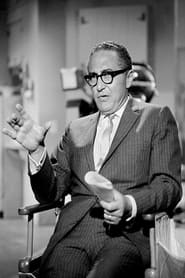

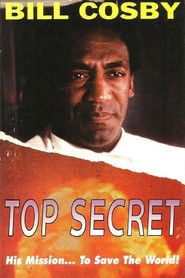
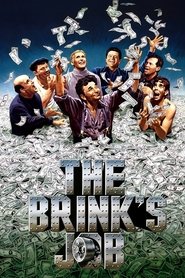
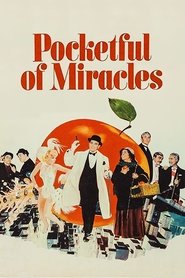
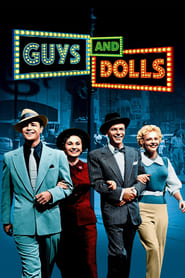
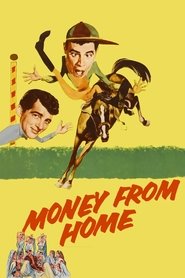
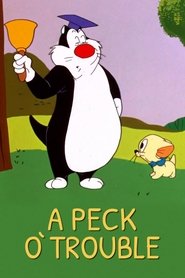
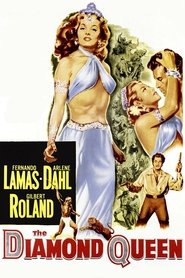
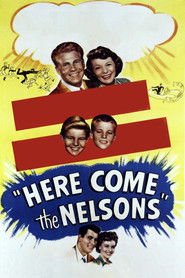


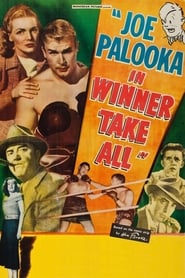
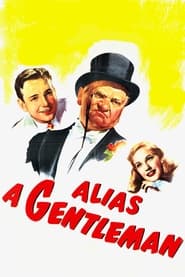
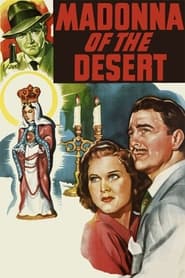
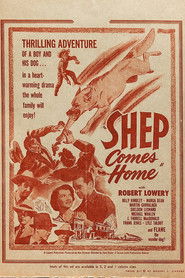
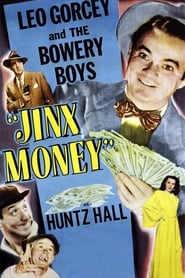
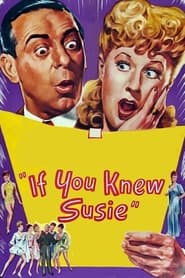
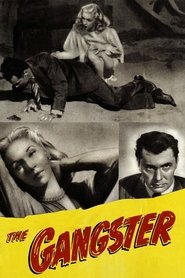
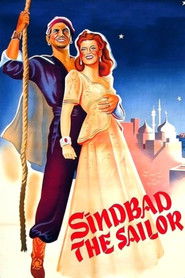

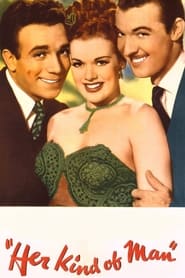
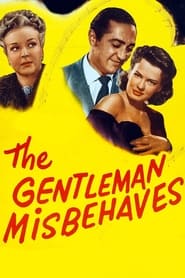
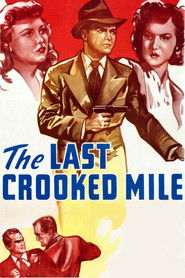
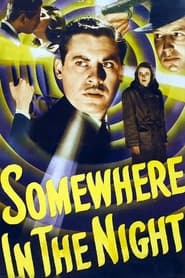
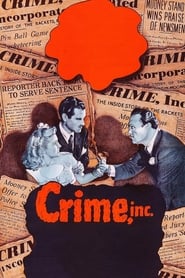

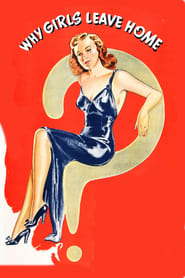
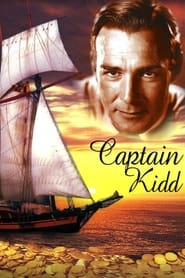
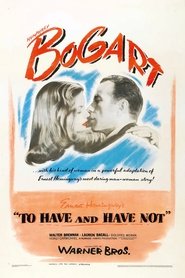
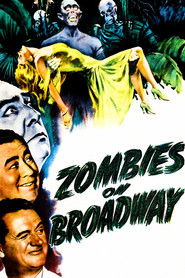
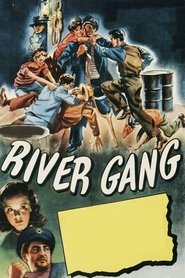
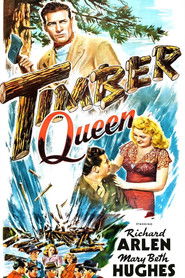
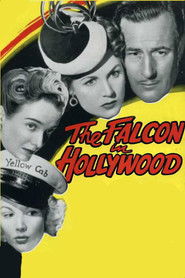
… and 25 more