Isaac Asimov
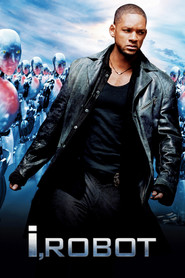
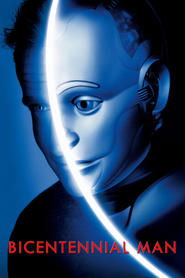
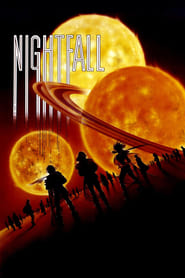
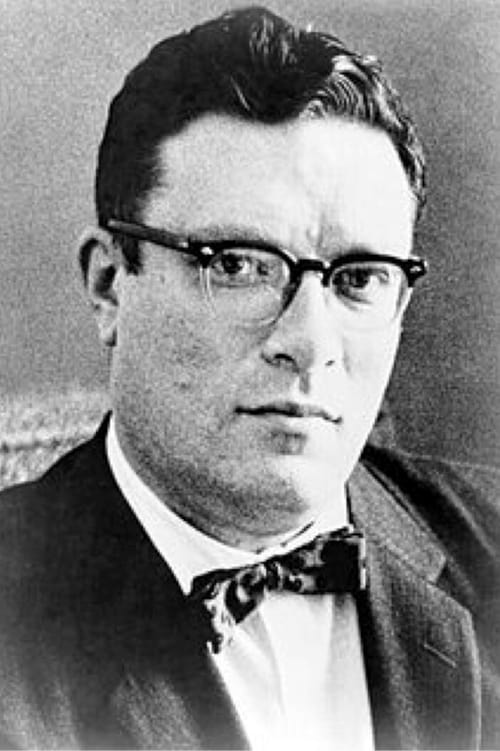
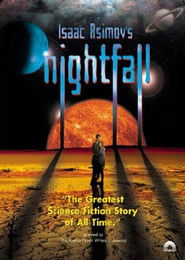
Isaac Asimov (born Isaak Yudovich Ozimov, January 2, 1920 – April 6, 1992) was an American author and professor of biochemistry at Boston University, best known for his works of science fiction and for his popular science books. Asimov was one of the most prolific writers of all time, having written or edited more than 500 books and an estimated 9,000 letters and postcards. His works have been published in nine of the ten major categories of the Dewey Decimal System (The sole exception being the 100s: philosophy and psychology, although he did write a foreword for The Humanist Way, which is published in the 100s). Isaac Asimov is widely considered a master of hard science fiction and, along with Robert A. Heinlein and Arthur C. Clarke, he was considered one of the "Big Three" science fiction writers during his lifetime. Asimov's most famous work is the Foundation Series; his other major series are the Galactic Empire series and the Robot series, both of which he later tied into the same fictional universe as the Foundation Series to create a unified "future history" for his stories much like those pioneered by Robert A. Heinlein and previously produced by Cordwainer Smith and Poul Anderson. He wrote many short stories, among them "Nightfall", which in 1964 was voted by the Science Fiction Writers of America the best short science fiction story of all time. Asimov wrote the Lucky Starr series of juvenile science-fiction novels using the pen name Paul French. The prolific Asimov also wrote mysteries and fantasy, as well as much non-fiction. Most of his popular science books explain scientific concepts in a historical way, going as far back as possible to a time when the science in question was at its simplest stage. He often provides nationalities, birth dates, and death dates for the scientists he mentions, as well as etymologies and pronunciation guides for technical terms. Examples include his Guide to Science, the three volume set Understanding Physics, Asimov's Chronology of Science and Discovery, as well as numerous works on astronomy, mathematics, the Bible, William Shakespeare's works and, of course, chemistry subjects. Asimov was a long-time member and Vice President of Mensa International, albeit reluctantly; he described some members of that organization as "brain-proud and aggressive about their IQs." He took more joy in being president of the American Humanist Association. The asteroid 5020 Asimov, a crater on the planet Mars, the magazine Asimov's Science Fiction, a Brooklyn, New York elementary school, and one Isaac Asimov literary award are named in his honor. Description above from the Wikipedia article Isaac Asimov, licensed under CC-BY-SA, full list of contributors on Wikipedia.
Isaac Asimov (geboren als Isaak Yudovich Ozimov, 2. Januar 1920 – 6. April 1992) war ein US-amerikanischer Autor und Professor für Biochemie an der Boston University. Bekannt wurde er vor allem durch seine Science-Fiction-Werke und populärwissenschaftlichen Bücher. Asimov zählte zu den produktivsten Schriftstellern aller Zeiten und verfasste oder bearbeitete über 500 Bücher sowie schätzungsweise 9.000 Briefe und Postkarten. Seine Werke wurden in neun der zehn Hauptkategorien der Dewey-Dezimalklassifikation veröffentlicht (mit Ausnahme der Kategorie 100: Philosophie und Psychologie, obwohl er das Vorwort zu „The Humanist Way“ schrieb, das in dieser Kategorie erschien). Isaac Asimov gilt weithin als Meister der Hard Science-Fiction und zählte neben Robert A. Heinlein und Arthur C. Clarke zu den drei bedeutendsten Science-Fiction-Autoren seiner Zeit. Asimovs bekanntestes Werk ist die Foundation-Reihe. Seine weiteren bedeutenden Reihen sind die „Galaktisches Imperium“-Reihe und die „Roboter“-Reihe, die er später beide mit der „Foundation“-Reihe in dasselbe fiktive Universum einband, um eine einheitliche „Zukunftsgeschichte“ für seine Erzählungen zu schaffen – ähnlich den Pionieren von Robert A. Heinlein und den zuvor von Cordwainer Smith und Poul Anderson. Er schrieb zahlreiche Kurzgeschichten, darunter „Nightfall“, die 1964 von den Science Fiction Writers of America zur besten Science-Fiction-Kurzgeschichte aller Zeiten gewählt wurde. Unter dem Pseudonym Paul French verfasste Asimov die Jugendbuchreihe „Lucky Starr“. Der produktive Asimov schrieb außerdem Krimis und Fantasy-Romane sowie zahlreiche Sachbücher. Die meisten seiner populärwissenschaftlichen Bücher erklären wissenschaftliche Konzepte historisch und gehen dabei so weit wie möglich zurück in die Anfänge der jeweiligen Wissenschaft. Er nennt häufig Nationalitäten, Geburts- und Sterbedaten der erwähnten Wissenschaftler sowie Etymologien und Aussprachehilfen für Fachbegriffe. Beispiele hierfür sind sein „Guide to Science“, das dreibändige Werk „Understanding Physics“, „Asimov’s Chronology of Science and Discovery“ sowie zahlreiche Werke über Astronomie, Mathematik, die Bibel, die Werke William Shakespeares und natürlich Chemie. Asimov war langjähriges Mitglied und Vizepräsident von Mensa International, wenn auch widerwillig; er beschrieb einige Mitglieder dieser Organisation als „auf ihren IQ stolz und aggressiv“. Seine Präsidentschaft in der American Humanist Association bereitete ihm mehr Freude. Der Asteroid 5020 Asimov, ein Krater auf dem Mars, die Zeitschrift „Asimov’s Science Fiction“, eine Grundschule in Brooklyn, New York, und ein Isaac-Asimov-Literaturpreis sind nach ihm benannt.
艾萨克·阿西莫夫(Isaac Asimov,1920 年 1 月 2 日 - 1992 年 4 月 6 日)是美国作家和波士顿大学生物化学教授,以其科幻作品和科普书籍而闻名。阿西莫夫是有史以来最多产的作家之一,撰写或编辑了 500 多本书以及大约 9,000 封信件和明信片。他的作品在杜威十进制系统的十个主要类别中的九个类别中出版(唯一的例外是 100 年代:哲学和心理学,尽管他确实为 100 年代出版的《人文主义之路》写了序言)。 艾萨克·阿西莫夫(Isaac Asimov)被广泛认为是硬科幻小说大师,与罗伯特·海因莱因(Robert A. Heinlein)和亚瑟·克拉克(Arthur C. Clarke)一起,他一生中被认为是“三巨头”科幻作家之一。阿西莫夫最著名的作品是《基金会系列》;他的其他主要系列是《银河帝国》系列和《机器人》系列,他后来将这两个系列与基金会系列绑定在同一个虚构宇宙中,为他的故事创造了一个统一的“未来历史”,就像罗伯特·海因莱因(Robert A. Heinlein)开创的故事一样,之前由科德怀纳·史密斯(Cordwainer Smith)和保罗·安德森(Poul Anderson)制作。他写了许多短篇小说,其中包括《夜幕降临》,该小说于 1964 年被美国科幻作家评为有史以来最好的短篇小说。阿西莫夫用笔名保罗·弗伦奇(Paul French)写了《幸运星》系列少年科幻小说。 多产的阿西莫夫还写了神秘和幻想,以及许多非小说类作品。他的大多数科普书籍都以历史的方式解释科学概念,尽可能追溯到所讨论的科学处于最简单阶段的时代。他经常为他提到的科学家提供国籍、出生日期和死亡日期,以及技术术语的词源和发音指南。例子包括他的《科学指南》、三卷本《理解物理学》、阿西莫夫的《科学与发现年表》,以及许多关于天文学、数学、圣经、威廉·莎士比亚的作品,当然还有化学学科的著作。 阿西莫夫是门萨国际的长期成员和副总裁,尽管很不情愿;他形容该组织的一些成员“对自己的智商感到自豪和咄咄逼人”。他因担任美国人文主义协会主席而感到更加高兴。小行星 5020 阿西莫夫、火星上的一个陨石坑、《阿西莫夫的科幻小说》杂志、纽约布鲁克林的一所小学和一个艾萨克·阿西莫夫文学奖都是以他的名字命名的。
艾薩克·艾西莫夫(Isaac Asimov,1920 年 1 月 2 日 - 1992 年 4 月 6 日)是美國作家和波士頓大學生物化學教授,以其科幻作品和科普書籍而聞名。艾西莫夫是有史以來最多產的作家之一,撰寫或編輯了 500 多本書以及大約 9, 000 封信件和明信片。他的作品在杜威十進制系統的十個主要類別中的九個類別中出版(唯一的例外是 100 年代:哲學和心理學,盡管他確實為 100 年代出版的《人文主義之路》寫了序言)。 艾薩克·艾西莫夫(Isaac Asimov)被廣泛認為是硬科幻小説大師,與羅伯特·海因萊因(Robert A.Heinlein)和亞瑟·克拉克(Arthur C.Clarke)一起,他一生中被認為是“三巨頭”科幻作家之一。艾西莫夫最著名的作品是《基金會系列》; 他的其他主要系列是《銀河帝國》系列和《機械人 T - 0》系列,他後來將這兩個系列與基金會系列綁定在同一個虛構宇宙中,為他的故事創造了一個統一的“未來歷史”,就像羅伯特·海因萊因(Robert A.Heinlein)開創的故事一樣,之前由科德懷納·史密斯(Cordwainer Smith)和保羅·安德森(Poul Anderson)制作。他寫了許多短篇小説,其中包括《夜幕降臨》,該小説於 1964 年被美國科幻作家評為有史以來最好的短篇小説。艾西莫夫用筆名保羅·弗倫奇(Paul French)寫了《幸運星》系列少年科幻小説。 多產的艾西莫夫還寫了神秘和幻想,以及許多非小説類作品。他的大多數科普書籍都以歷史的方式解釋科學概念,盡可能追溯到所討論的科學處於最簡單階段的時代。他經常為他提到的科學家提供國籍、出生日期和死亡日期,以及技術術語的詞源和發音指南。例子包括他的《科學指南》、三卷本《理解物理學》、艾西莫夫的《科學與發現年表》,以及許多關於天文學、數學、聖經、威廉·莎士比亞的作品,當然還有化學學科的著作。 艾西莫夫是門薩國際的長期成員和副總裁,盡管很不情願; 他形容該組織的一些成員“對自己的智商感到自豪和咄咄逼人”。他因擔任美國人文主義協會主席而感到更加高興。小行星 5020 艾西莫夫、火星上的一個隕石坑、《艾西莫夫的科幻小説》雜志、紐約布魯克林的一所小學和一個艾薩克·艾西莫夫文學獎都是以他的名字命名的。
Acting (15)
Writing (12)
Crew (9)