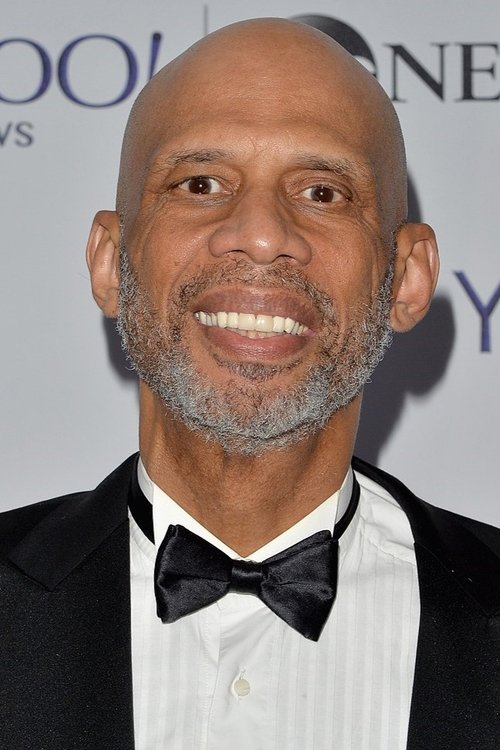
Kareem Abdul-Jabbar
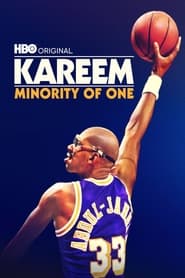
Kareem Abdul-Jabbar, born Ferdinand Lewis Alcindor Jr. (born April 16, 1947) in New York City, grew up in the working-class neighborhood of Harlem in a family of Trinidadian descent, raised in the Catholic tradition and imbued with values such as honor and dignity. An only child, he was quickly marked by his exceptional height: from elementary school onward, he played with the tallest kids, and at fourteen, already over two meters (6'7"), he was able to dunk. His adolescence was punctuated by episodes of social confrontation and learning the art of street basketball, which forged his competitive spirit. Abdul-Jabbar distinguished himself early on at Power Memorial Academy, where he set records for points and rebounds, leading his team to 71 consecutive victories and three New York State high school championships. This period is unanimously recognized as one of the greatest high school basketball careers in history. In 1965, he entered UCLA under the tutelage of John Wooden and dominated the sport, winning three consecutive NCAA titles from 1967 to 1969 and being named the tournament MVP each time. His impact on the game was so significant that the NCAA temporarily banned the dunk during his time there. In 1969, Abdul-Jabbar was the first overall pick in the NBA draft and joined the Milwaukee Bucks. In his first season, he distinguished himself with impressive statistics (28.8 points, 14.5 rebounds, 4.1 assists) and was named Rookie of the Year. In 1971, he led the Bucks to the NBA title—the franchise's only championship—and won his first MVP award. It was also during this period that he converted to Islam, taking the name Kareem Abdul-Jabbar, publicly affirming his spiritual choice at a time when American society was still experiencing significant racial tensions. Abdul-Jabbar then joined the Los Angeles Lakers, where his career reached legendary proportions. He won five more NBA titles, bringing his total to six, and accumulated six MVP awards. He participated in 19 All-Star Games, was a two-time league scoring champion, and holds the career scoring record (38,387 points). His accolades also include two Finals MVP awards and a multitude of individual and team accolades. He holds eight playoff records and seven All-Star Game records, and was named to the NBA's 35th and 50th Anniversary Teams. Technically, Kareem Abdul-Jabbar revolutionized basketball by inventing, perfecting, and popularizing the "sky hook," a unique move that no one has equaled: a curling arm shot, difficult to block and incredibly effective, which became his signature weapon. He is also recognizable by his protective goggles, which he adopted after an eye injury during his college years. His renown extends far beyond the world of sports: Abdul-Jabbar dedicated his life to the fight for civil rights and the promotion of African American culture, writing several books and regularly participating in public debate. Adored for his athletic achievements, respected for his strength of character and social activism, Kareem Abdul-Jabbar remains, for many, the greatest legend in basketball history—a champion with universal values and an icon whose influence endures far beyond the court.
Kareem Abdul-Jabbar, nascut com a Ferdinand Lewis Alcindor Jr. el 16 d'abril de 1947 a la ciutat de Nova York, va créixer al barri obrer de Harlem en una família d'ascendència trinitense, criat en la tradició catòlica i imbuït de valors com l'honor i la dignitat. Fill únic, va quedar ràpidament marcat per la seva excepcional alçada: des de l'escola primària, va jugar amb els nens més alts, i als catorze anys, ja amb més de dos metres, va ser capaç de fer esmaixades. La seva adolescència va estar marcada per episodis de confrontació social i l'aprenentatge de l'art del bàsquet de carrer, que van forjar el seu esperit competitiu. Abdul-Jabbar es va distingir aviat a la Power Memorial Academy, on va establir rècords de punts i rebots, liderant el seu equip a 71 victòries consecutives i tres campionats de secundària de l'estat de Nova York. Aquest període és reconegut unànimement com una de les millors carreres de bàsquet de secundària de la història. El 1965, va entrar a la UCLA sota la tutela de John Wooden i va dominar l'esport, guanyant tres títols consecutius de la NCAA del 1967 al 1969 i sent nomenat MVP del torneig cada vegada. El seu impacte en el joc va ser tan significatiu que la NCAA va prohibir temporalment les esmaixades durant la seva estada allà. El 1969, Abdul-Jabbar va ser la primera elecció general del draft de l'NBA i es va unir als Milwaukee Bucks. En la seva primera temporada, va distingir amb unes estadístiques impressionants (28,8 punts, 14,5 rebots, 4,1 assistències) i va ser nomenat Rookie de l'Any. El 1971, va liderar els Bucks al títol de l'NBA, l'únic campionat de la franquícia, i va guanyar el seu primer premi MVP. També va ser durant aquest període que es va convertir a l'islam, prenent el nom de Kareem Abdul-Jabbar, afirmant públicament la seva elecció espiritual en un moment en què la societat americana encara experimentava importants tensions racials. Abdul-Jabbar es va unir a Los Angeles Lakers, on la seva carrera va assolir proporcions llegendàries. Va guanyar cinc títols més de l'NBA, elevant el seu total a sis, i va acumular sis premis MVP. Va participar en 19 All-Star Games, va ser dues vegades campió de la lliga com a màxim anotador i té el rècord de puntuació de la seva carrera (38.387 punts). Els seus reconeixements també inclouen dos premis MVP de les Finals i una multitud de reconeixements individuals i d'equip. Té vuit rècords de playoffs i set rècords de l'All-Star Game, i va ser nomenat per al 35è i 50è aniversari de l'NBA. Equips. Tècnicament, Kareem Abdul-Jabbar va revolucionar el bàsquet inventant, perfeccionant i popularitzant el "sky hook", un moviment únic que ningú ha igualat: un cop de braç enrotllat, difícil de bloquejar i increïblement efectiu, que es va convertir en la seva arma característica. També és recognoscible per les seves ulleres protectores, que va adoptar després d'una lesió ocular durant els seus anys universitaris. El seu renom s'estén molt més enllà del món dels esports: Abdul-Jabbar va dedicar la seva vida a la lluita pels drets civils i la promoció de la cultura afroamericana, escrivint diversos llibres i participant regularment en el debat públic. Adorat pels seus èxits atlètics, respectat per la seva força de caràcter i activisme social, Kareem Abdul-Jabbar continua sent, per a molts, la llegenda més gran de la història del bàsquet.
Kareem Abdul-Jabbar, geboren als Ferdinand Lewis Alcindor Jr. am 16. April 1947 in New York City, wuchs im Arbeiterviertel Harlem in einer Familie trinidadischer Abstammung auf, wurde in der katholischen Tradition erzogen und mit Werten wie Ehre und Würde geprägt. Als Einzelkind fiel er schon früh durch seine außergewöhnliche Größe auf: Bereits in der Grundschule spielte er mit den größten Kindern, und mit vierzehn Jahren, über zwei Meter groß, konnte er dunken. Seine Jugend war geprägt von sozialen Auseinandersetzungen und dem Erlernen des Streetballs, was seinen Kampfgeist schärfte. Abdul-Jabbar tat sich früh an der Power Memorial Academy hervor, wo er Rekorde für Punkte und Rebounds aufstellte und sein Team zu 71 Siegen in Folge und drei New Yorker Highschool-Meisterschaften führte. Diese Zeit gilt allgemein als eine der größten Highschool-Basketballkarrieren der Geschichte. 1965 begann er sein Studium an der UCLA unter der Anleitung von John Wooden und dominierte den Sport. Von 1967 bis 1969 gewann er drei NCAA-Titel in Folge und wurde jedes Mal zum MVP des Turniers gewählt. Sein Einfluss auf das Spiel war so bedeutend, dass die NCAA den Dunk während seiner Zeit dort vorübergehend verbot. 1969 wurde Abdul-Jabbar Er wurde als erster Spieler im NBA-Draft ausgewählt und schloss sich den Milwaukee Bucks an. In seiner ersten Saison glänzte er mit beeindruckenden Statistiken (28,8 Punkte, 14,5 Rebounds, 4,1 Assists) und wurde zum Rookie des Jahres gekürt. 1971 führte er die Bucks zum NBA-Titel – der einzigen Meisterschaft der Franchise-Geschichte – und gewann seine erste MVP-Auszeichnung. In dieser Zeit konvertierte er auch zum Islam und nahm den Namen Kareem Abdul-Jabbar an. Damit bekannte er sich öffentlich zu seiner Religionszugehörigkeit in einer Zeit, in der die amerikanische Gesellschaft noch immer von erheblichen Rassenkonflikten geprägt war. Anschließend wechselte Abdul-Jabbar zu den Los Angeles Lakers, wo seine Karriere legendäre Ausmaße annahm. Er gewann fünf weitere NBA-Titel und kam damit auf insgesamt sechs. Zudem wurde er sechsmal zum MVP gewählt. Er nahm an 19 All-Star-Spielen teil, war zweimal bester Scorer der Liga und hält den Karriere-Punkterekord (38.387 Punkte). Zu seinen Auszeichnungen zählen außerdem zwei Finals-MVP-Titel sowie zahlreiche individuelle und Team-Auszeichnungen. Er hält acht Playoff-Rekorde. und sieben All-Star-Game-Rekorde, und wurde in die NBA-Teams zum 35. und 50. Jubiläum gewählt. Kareem Abdul-Jabbar revolutionierte den Basketballsport, indem er den „Skyhook“ erfand, perfektionierte und populär machte – einen einzigartigen Wurf, den niemand je erreicht hat: ein Wurf mit gebogenem Arm, schwer zu blocken und unglaublich effektiv, der zu seinem Markenzeichen wurde. Er ist auch an seiner Schutzbrille zu erkennen, die er nach einer Augenverletzung während seiner Collegezeit zu tragen begann. Sein Ruhm reicht weit über die Welt des Sports hinaus: Abdul-Jabbar widmete sein Leben dem Kampf für Bürgerrechte und der Förderung der afroamerikanischen Kultur, schrieb mehrere Bücher und beteiligte sich regelmäßig an öffentlichen Debatten. Verehrt für seine sportlichen Leistungen, respektiert für seine Charakterstärke und sein soziales Engagement, bleibt Kareem Abdul-Jabbar für viele die größte Legende der Basketballgeschichte.
Kareem Abdul-Jabbar, nacido como Ferdinand Lewis Alcindor Jr. el 16 de abril de 1947 en la ciudad de Nueva York, creció en el barrio obrero de Harlem en una familia de ascendencia trinitense, criada en la tradición católica e imbuida de valores como el honor y la dignidad. Hijo único, rápidamente se destacó por su excepcional altura: desde la primaria, jugó con los niños más altos, y a los catorce años, ya con más de dos metros (6'7"), era capaz de hacer mates. Su adolescencia estuvo marcada por episodios de confrontación social y el aprendizaje del baloncesto callejero, lo que forjó su espíritu competitivo. Abdul-Jabbar destacó desde el principio en la Power Memorial Academy, donde estableció récords de puntos y rebotes, llevando a su equipo a 71 victorias consecutivas y tres campeonatos de secundaria del estado de Nueva York. Este período es reconocido unánimemente como una de las mejores carreras de baloncesto de secundaria de la historia. En 1965, ingresó en la UCLA bajo la tutela de John Wooden y dominó el deporte, ganando tres títulos consecutivos de la NCAA entre 1967 y 1969, siendo nombrado MVP del torneo en cada ocasión. Su impacto en el baloncesto fue tan significativo que la NCAA prohibió temporalmente los mates durante su estancia allí. En 1969, Abdul-Jabbar fue la primera selección general del draft de la NBA y Se unió a los Milwaukee Bucks. En su primera temporada, destacó por sus impresionantes estadísticas (28.8 puntos, 14.5 rebotes, 4.1 asistencias) y fue nombrado Novato del Año. En 1971, llevó a los Bucks al título de la NBA —el único campeonato de la franquicia— y ganó su primer premio al Jugador Más Valioso (MVP). Fue también durante este período que se convirtió al islam, adoptando el nombre de Kareem Abdul-Jabbar, afirmando públicamente su elección espiritual en una época en la que la sociedad estadounidense aún experimentaba importantes tensiones raciales. Abdul-Jabbar se unió entonces a Los Angeles Lakers, donde su carrera alcanzó proporciones legendarias. Ganó cinco títulos más de la NBA, sumando un total de seis, y acumuló seis premios al MVP. Participó en 19 Juegos de las Estrellas, fue dos veces campeón de la liga y ostenta el récord de anotación de su carrera (38,387 puntos). Entre sus galardones también se incluyen dos premios al MVP de las Finales y numerosos reconocimientos individuales y de equipo. Posee ocho récords de playoffs y siete récords del Juego de las Estrellas, y fue... Nombrado para los Equipos del 35.º y 50.º Aniversario de la NBA. Técnicamente, Kareem Abdul-Jabbar revolucionó el baloncesto al inventar, perfeccionar y popularizar el "sky hook", un movimiento único e inigualable: un tiro con el brazo, difícil de bloquear e increíblemente efectivo, que se convirtió en su arma distintiva. También es reconocible por sus gafas protectoras, que adoptó tras una lesión ocular durante sus años universitarios. Su renombre trasciende el mundo del deporte: Abdul-Jabbar dedicó su vida a la lucha por los derechos civiles y a la promoción de la cultura afroamericana, escribiendo varios libros y participando regularmente en debates públicos. Admirado por sus logros deportivos, respetado por su fuerza de carácter y activismo social, Kareem Abdul-Jabbar sigue siendo, para muchos, la mayor leyenda de la historia del baloncesto: un campeón con valores universales.
Kareem Abdul-Jabbar, né Ferdinand Lewis Alcindor Jr. le 16 avril 1947 à New York, a grandi dans le quartier populaire de Harlem au sein d’une famille d’origine trinidadienne, éduqué dans la tradition catholique et imprégné de valeurs telles que l’honneur et la dignité. Fils unique, il est rapidement marqué par sa taille exceptionnelle : dès l’école primaire, il joue avec les plus grands et, à quatorze ans et mesurant déjà plus de deux mètres, il réussit à dunker. Son adolescence est ponctuée par des épisodes de confrontation sociale et l’apprentissage du basket de rue, qui forge son caractère compétiteur. Abdul-Jabbar se distingue très tôt à la Power Memorial Academy, où il établit des records de points et de rebonds, conduisant son équipe à 71 victoires consécutives et trois titres de champion scolaire de New York. Cette période est unanimement reconnue comme l’une des meilleures carrières lycéennes de l’histoire du basket. En 1965, il intègre UCLA sous la houlette de John Wooden et y domine sans partage, remportant trois titres NCAA consécutifs de 1967 à 1969 et étant désigné à chaque fois meilleur joueur du tournoi universitaire. Son impact sur le jeu est tel que la NCAA interdit temporairement le dunk pendant son passage. En 1969, Abdul-Jabbar est le premier choix de la draft NBA et rejoint les Milwaukee Bucks. Dès sa première saison, il s’illustre avec des statistiques impressionnantes (28,8 points, 14,5 rebonds, 4,1 passes) et est élu rookie de l’année. En 1971, il mène les Bucks au titre NBA—le seul de la franchise—et remporte au passage son premier trophée de MVP. C’est aussi à cette période qu’il se convertit à l’islam, prenant le nom de Kareem Abdul-Jabbar, en affirmant publiquement son choix spirituel à une époque où la société américaine est encore traversée par de fortes tensions raciales. Abdul-Jabbar rejoint ensuite les Los Angeles Lakers où sa carrière prend une dimension légendaire : il y remporte cinq autres titres NBA, portant son total à six, et accumule six titres de MVP. Il participe à 19 All-Star Games, est deux fois meilleur marqueur de la ligue et détient le record de points marqués en carrière (38 387 points). Son palmarès inclut également deux titres de MVP des finales et une multitude de distinctions individuelles et collectives. Il détient huit records en playoffs et sept en All-Star Game, figurant dans les équipes des 35e et 50e anniversaires de la NBA. Sur le plan technique, Kareem Abdul-Jabbar a révolutionné le basketball en inventant, perfectionnant puis popularisant le « sky hook », geste unique que personne n’a égalé : un tir enroulé du bras, difficile à contrer et redoutable d’efficacité, qui devient son arme fatale. Il est reconnaissable aussi par ses lunettes protectrices adoptées après une blessure à l’œil durant ses années universitaires. Sa reconnaissance dépasse les frontières du sport : Abdul-Jabbar s’engage tout au long de sa vie dans la lutte pour les droits civiques et la promotion de la culture afro-américaine, écrivant plusieurs ouvrages et intervenant régulièrement dans le débat public. Adulé pour ses exploits sportifs, respecté pour sa force de caractère et son engagement social, Kareem Abdul-Jabbar demeure, pour beaucoup, la plus grande légende de l’histoire du basketball—un champion aux valeurs universelles et une icône dont l’influence perdure bien au-delà des terrains.
Kareem Abdul-Jabbar, nato Ferdinand Lewis Alcindor Jr. il 16 aprile 1947 a New York City, è cresciuto nel quartiere operaio di Harlem in una famiglia di origini trinidadiane, educata nella tradizione cattolica e permeata di valori quali onore e dignità. Figlio unico, si distinse subito per la sua altezza eccezionale: fin dalle elementari giocava con i ragazzi più alti e a quattordici anni, già oltre i due metri, era già in grado di schiacciare. La sua adolescenza fu costellata da episodi di confronto sociale e dall'apprendimento dell'arte del basket di strada, che forgiò il suo spirito competitivo. Abdul-Jabbar si distinse presto alla Power Memorial Academy, dove stabilì record di punti e rimbalzi, guidando la sua squadra a 71 vittorie consecutive e tre titoli liceali dello Stato di New York. Questo periodo è unanimemente riconosciuto come una delle più grandi carriere cestistiche liceali della storia. Nel 1965, entrò alla UCLA sotto la guida di John Wooden e dominò lo sport, vincendo tre titoli NCAA consecutivi dal 1967 al 1969 e venendo nominato MVP del torneo ogni volta. Il suo impatto sul gioco fu così significativo che la NCAA vietò temporaneamente le schiacciate durante il suo periodo lì. Nel 1969, Abdul-Jabbar fu la prima scelta assoluta nel draft NBA e si unì ai Milwaukee Bucks. Nella sua prima stagione, si distinse con statistiche impressionanti (28,8 punti, 14,5 rimbalzi, 4,1 assist) e fu nominato Rookie of the Year. Nel 1971, guidò i Bucks alla vittoria del titolo NBA – l'unico titolo della franchigia – e vinse il suo primo premio MVP. Fu anche in questo periodo che si convertì all'Islam, prendendo il nome di Kareem Abdul-Jabbar, affermando pubblicamente la sua scelta spirituale in un momento in cui la società americana stava ancora attraversando significative tensioni razziali. Abdul-Jabbar si unì poi ai Los Angeles Lakers, dove la sua carriera raggiunse proporzioni leggendarie. Vinse altri cinque titoli NBA, portando il suo totale a sei, e accumulò sei premi MVP. Partecipò a 19 All-Star Game, fu due volte campione del campionato per numero di punti segnati e detiene il record di punti segnati in carriera (38.387 punti). I suoi riconoscimenti includono anche due premi MVP delle finali e una moltitudine di riconoscimenti individuali e di squadra. Detiene otto titoli ai playoff. e sette record dell'All-Star Game, ed è stato nominato nelle squadre del 35° e 50° anniversario della NBA. Tecnicamente, Kareem Abdul-Jabbar ha rivoluzionato il basket inventando, perfezionando e rendendo popolare lo "sky hook", una mossa unica che nessuno ha eguagliato: un tiro a giro, difficile da bloccare e incredibilmente efficace, che è diventato la sua arma distintiva. È anche riconoscibile per i suoi occhiali protettivi, che ha adottato dopo un infortunio all'occhio durante gli anni del college. La sua fama si estende ben oltre il mondo dello sport: Abdul-Jabbar ha dedicato la sua vita alla lotta per i diritti civili e alla promozione della cultura afroamericana, scrivendo diversi libri e partecipando regolarmente al dibattito pubblico. Adorato per i suoi successi atletici, rispettato per la sua forza di carattere e il suo attivismo sociale, Kareem Abdul-Jabbar rimane, per molti, la più grande leggenda nella storia del basket: un campione con valori universali e un'icona la cui influenza dura ben oltre il campo.
Карим Абдул-Джаббар, урожденный Фердинанд Льюис Алсиндор-младший, родился 16 апреля 1947 года в Нью-Йорке. Он вырос в рабочем районе Гарлема в семье тринидадского происхождения, воспитывался в католических традициях и был проникнут такими ценностями, как честь и достоинство. Будучи единственным ребенком в семье, он быстро стал известен своим исключительным ростом: с начальной школы он играл с самыми высокими детьми, а в четырнадцать лет, уже ростом более двух метров (6 футов 7 дюймов), он умел забивать сверху. Его юность была отмечена эпизодами социального противостояния и освоением уличного баскетбола, что закалило его дух соперничества. Абдул-Джаббар рано проявил себя в Power Memorial Academy, где установил рекорды по очкам и подборам, приведя свою команду к 71 победе подряд и трем чемпионатам штата Нью-Йорк среди школ. Этот период единодушно признан одной из величайших карьер в школьном баскетболе в истории. В 1965 году он поступил в Калифорнийский университет в Лос-Анджелесе под руководством Джона Вудена и доминировал в этом виде спорта, выиграв три титула NCAA подряд с 1967 по 1969 год и каждый раз становясь MVP турнира. Его влияние на игру было настолько значительным, что NCAA временно запретила забивать сверху во время его пребывания там. В В 1969 году Абдул-Джаббар был выбран первым номером драфта НБА и присоединился к «Милуоки Бакс». В своём первом сезоне он отличился впечатляющей статистикой (28,8 очка, 14,5 подбора, 4,1 передачи) и был назван «Новичком года». В 1971 году он привёл «Бакс» к титулу чемпиона НБА — единственному чемпионству франшизы — и завоевал свою первую награду MVP. В этот же период он принял ислам, взяв имя Карим Абдул-Джаббар, публично подтвердив свой духовный выбор в то время, когда американское общество всё ещё переживало серьёзную расовую напряжённость. Затем Абдул-Джаббар присоединился к «Лос-Анджелес Лейкерс», где его карьера достигла легендарных масштабов. Он выиграл ещё пять титулов НБА, доведя общее количество титулов до шести, и получил шесть наград MVP. Он принял участие в 19 Матчах всех звёзд, был двукратным чемпионом лиги по результативности и является рекордсменом по результативности за карьеру (38 387 очков). Среди его достижений – две награды MVP финала и множество личных и командных наград. Он является обладателем восьми рекордов плей-офф и семи рекордов Матча всех звезд, а также был включен в сборные НБА по случаю 35-летия и 50-летия. С технической точки зрения, Карим Абдул-Джаббар произвел революцию в баскетболе, изобретя, усовершенствовав и популяризировав «небесный крюк» – уникальный прием, которому никто не мог сравниться: бросок рукой в закрученном положении, трудно блокируемый и невероятно эффективный, который стал его фирменным оружием. Его также можно узнать по защитным очкам, которые он надел после травмы глаза в студенческие годы. Его известность простирается далеко за пределы мира спорта: Абдул-Джаббар посвятил свою жизнь борьбе за гражданские права и продвижению афроамериканской культуры, написав несколько книг и регулярно участвуя в публичных дебатах. Обожаемый за свои спортивные достижения, уважаемый за силу характера и социальную активность, Карим Абдул-Джаббар остается для многих величайшей легендой в истории баскетбола – чемпионом с общечеловеческими ценностями. и икона, чьё влияние простирается далеко за пределы двора.
卡里姆·阿卜杜勒-贾巴尔,原名小费迪南德·路易斯·阿尔辛多,1947 年 4 月 16 日出生于纽约市,在哈莱姆区的工人阶级社区长大,他的家庭是特立尼达裔,在天主教传统中长大,并被灌输了荣誉和尊严等价值观。作为独生子,他很快就因惊人的身高而引人注目:从小学开始,他就和个子最高的孩子们一起打球,14岁时身高就超过两米(6英尺7英寸),并且已经能够扣篮。他的青少年时期充满了社交冲突和街头篮球的磨练,这造就了他强烈的竞争精神。 阿卜杜勒-贾巴尔在鲍尔纪念学院(Power Memorial Academy)就展现出了非凡的才能,他创造了多项得分和篮板纪录,带领球队取得了71场连胜,并三次夺得纽约州高中联赛冠军。这段时期被公认为是历史上最伟大的高中篮球生涯之一。1965年,他进入加州大学洛杉矶分校(UCLA),师从约翰·伍登教练,并统治了这项运动,从1967年到1969年连续三次获得NCAA冠军,并每次都荣膺赛事MVP。他对篮球运动的影响如此巨大,以至于在他效力期间,NCAA一度禁止扣篮。 1969年,阿卜杜勒-贾巴尔是NBA选秀状元,加盟了密尔沃基雄鹿队。在他的新秀赛季,他凭借令人印象深刻的统计数据(场均28.8分、14.5个篮板、4.1次助攻)脱颖而出,荣膺年度最佳新秀。1971年,他带领雄鹿队夺得NBA总冠军——这也是该队历史上唯一一座总冠军奖杯——并首次获得常规赛MVP。也是在这一时期,他皈依伊斯兰教,改名为卡里姆·阿卜杜勒-贾巴尔,在当时美国社会种族关系依然紧张的背景下,公开表明了自己的信仰。 之后,阿卜杜勒-贾巴尔加盟洛杉矶湖人队,他的职业生涯达到了传奇的高度。他又赢得了五座NBA总冠军奖杯,使他的总冠军数达到六座,并六次荣膺常规赛MVP。他19次入选全明星,两次获得联盟得分王,并保持着NBA生涯总得分纪录(38,387分)。此外,他还两次获得总决赛MVP。他斩获无数个人和团队荣誉。他保持着八项季后赛纪录和七项全明星赛纪录,并入选NBA 35周年和50周年纪念阵容。 从技术层面来说,卡里姆·阿卜杜勒-贾巴尔发明、完善并推广了“天勾”,彻底革新了篮球运动。这项独一无二的投篮动作至今无人能及:一种弧线优美、难以封盖且威力惊人的投篮,成为了他的标志性武器。此外,他标志性的护目镜也为人所熟知,这是他在大学时期因眼伤而开始佩戴的。 他的声望远不止于体育界:阿卜杜勒-贾巴尔毕生致力于民权运动和非裔美国人文化的推广,著有多部书籍,并经常参与公共辩论。他因其卓越的体育成就而备受推崇,因其坚强的品格和社会活动而备受尊敬。在许多人心中,卡里姆·阿卜杜勒-贾巴尔是篮球史上最伟大的传奇——一位拥有普世价值的冠军,一位影响深远的偶像。影响远远超出法庭范围。
卡裏姆·阿卜杜勒 - 賈巴爾,原名小費迪南德·路易斯·阿爾辛多,1947 年 4 月 16 日出生於紐約市,在哈萊姆區的工人階級社區長大,他的家庭是特立尼達裔,在天主教傳統中長大,並被灌輸了榮譽和尊嚴等價值觀。作為獨生子,他很快就因驚人的身高而引人注目:從小學開始,他就和個子最高的孩子們一起打球,14 歲時身高就超過兩米(6 英尺 7 英寸),並且已經能夠扣籃。他的青少年時期充滿了社交衝突和街頭籃球的磨練,這造就了他強烈的競爭精神。 阿卜杜勒 - 賈巴爾在鮑爾紀念學院(Power Memorial Academy)就展現出了非凡的才能,他創造了多項得分和籃板紀錄,帶領球隊取得了 71 場聯勝,並三次奪得紐約州高中聯賽冠軍。這段時期被公認為是歷史上最偉大的高中籃球生涯之一。1965 年,他進入加州大學洛杉磯分校(UCLA),師從約翰·伍登教練,並統治了這項運動,從 1967 年到 1969 年聯續三次獲得 NCAA 冠軍,並每次都榮膺賽事 MVP。他對籃球運動的影響如此巨大,以至於在他效力期間,NCAA 一度禁止扣籃。 1969 年,阿卜杜勒 - 賈巴爾是 NBA 選秀狀元,加盟了密爾沃基雄鹿隊。在他的新秀賽季,他憑借令人印象深刻的統計數據(場均 28.8 分、14.5 個籃板、4.1 次助攻)脱穎而出,榮膺年度最佳新秀。1971 年,他帶領雄鹿隊奪得 NBA 總冠軍——這也是該隊歷史上唯一一座總冠軍獎杯——並首次獲得常規賽 MVP。也是在這一時期,他皈依伊斯蘭教,改名為卡裏姆·阿卜杜勒 - 賈巴爾,在當時美國社會種族關係依然緊張的背景下,公開表明了自己的信仰。 之後,阿卜杜勒 - 賈巴爾加盟洛杉磯湖人隊,他的職業生涯達到了傳奇的高度。他又贏得了五座 NBA 總冠軍獎杯,使他的總冠軍數達到六座,並六次榮膺常規賽 MVP。他 19 次入選全明星,兩次獲得聯盟得分王,並保持著 NBA 生涯總得分紀錄(38, 387 分)。此外,他還兩次獲得總決賽 MVP。他斬獲無數個人和團隊榮譽。他保持著八項季後賽紀錄和七項全明星賽紀錄,並入選 NBA 35 週年和 50 週年紀念陣容。 從技術層面來説,卡裏姆·阿卜杜勒 - 賈巴爾發明、完善並推廣了“天勾”,徹底革新了籃球運動。這項獨一無二的投籃動作至今無人能及:一種弧線優美、難以封蓋且威力驚人的投籃,成為了他的標志性武器。此外,他標志性的護目鏡也為人所熟知,這是他在大學時期因眼傷而開始佩戴的。 他的聲望遠不止於體育界:阿卜杜勒 - 賈巴爾畢生致力於民權運動和非裔美國人文化的推廣,著有多部書籍,並經常參與公共辯論。他因其卓越的體育成就而備受推崇,因其堅強的品格和社會活動而備受尊敬。在許多人心中,卡裏姆·阿卜杜勒 - 賈巴爾是籃球史上最偉大的傳奇——一位擁有普世價值的冠軍,一位影響深遠的偶像。影響遠遠超出法庭範圍。
Acting (47)