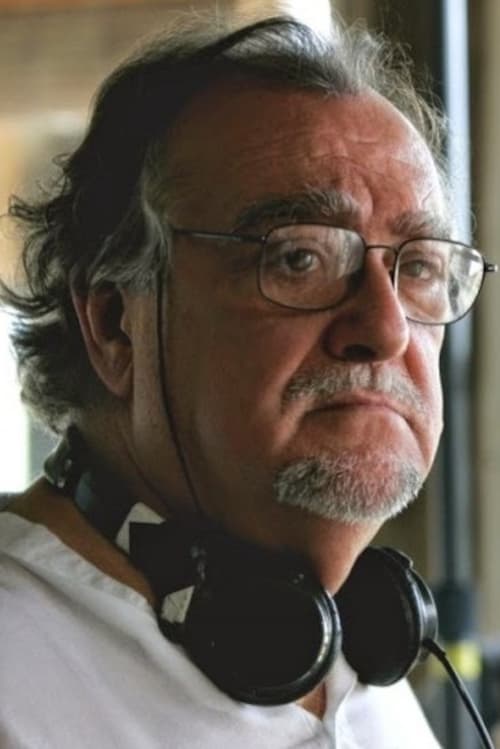
Lamberto Bava
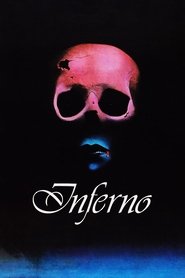
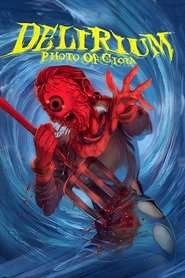
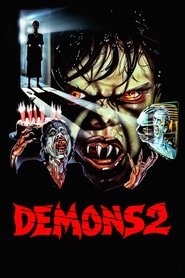
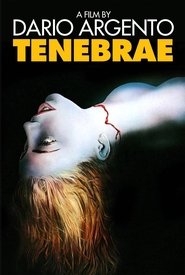
Lamberto Bava was born in Rome, Italy, and was the first of a third generation of Italian filmmakers. His grandfather, Eugenio Bava (1886-1966), was a cameraman and optics effects artist during the early days of Italian silent cinema. His father, Mario Bava (1914-1980), was a legendary cinematographer, special effects designer and director. Lamberto entered the cinema as his father's personal assistant, starting with "Planet of the Vampires" (1965). Bit by bit he gained experience from his father, who made him the assistant director for most of the rest of his films. He even co-wrote the screenplay for "Shock" (1977), Mario's last theatrical film where, in poor health during the shoot, Mario often feigned illness so Lamberto could direct a few scenes, uncredited, to gain further experience. Both Lamberto and Mario directed the made-for-TV drama "I giochi del diavolo: La Venere d'Ille" (1979). Both worked on the Dario Argento horror flick "Inferno" (1980), for which Mario designed some of the color set pieces, including the underwater ballroom, and created all the visual special effects, while Lamberto worked as Argento's assistant director. Late in 1979 Lamberto made his solo directorial debut with "Macabre" (1980), a tense drama-horror flick loosely based on a 1977 incident in New Orleans about a woman who keeps her lover's severed head in her freezer. According to Lamberto, the project started by chance when producer Pupi Avati approached him to direct as well as write the screenplay, which took just six weeks to write and direct. "Macabre" was released in Italy in February 1980 to mixed reviews, but won him recognition by his father Mario. Just two months later Mario Bava died, and an era in Italian film making came to a close. "Macabre" was not a box-office hit and, as a result, Lamberto went back to assistant directing. He worked with Dario Argento again in 1982 with "Tenebrae" (1982). In 1983 Lamberto was offered the opportunity to direct another film, titled "A Blade in the Dark" (1983), which was a violent mystery thriller shot in only three weeks on a tight budget and filmed almost entirely in a producer friend's house. Next he directed the action-flick "Blastfighter" (1984), which was filmed in the state of Georgia, and immediately afterwards directed the "Jaws" (1975)-like thriller "Devil Fish" (1984), which was shot in Florida. On both films Lamberto was purely a director for hire and had nothing to do with the script or production end. He used the pseudonym of 'John Old Jr.' for this latter film, which was a tribute to his father Mario, who often used the pseudonym 'John M. Old'. He enjoyed his best commercial success to date with "Demons" (1985), produced by Dario Argento, co-written by Dardano Sacchetti and filmed in West Berlin. This film's international success allowed him to co-write, produce and direct a sequel, "Demons 2" (1986). Lamberto returned to giallo thrillers with "Delirium" (1987). In the late 1980s the Italian cinema turned moribund. Lamberto, like most of his colleagues, turned to making films for Italian television. He also directed a remake of his father's "Black Sunday" (1960), which was titled "La maschera del demonio" (1990). Nowadays Lamberto Bava continues to divide his time between TV work and a few movies, acknowledging his inspiration from his late father, Mario.
Lamberto Bava ist ein italienischer Filmregisseur, der seine Karriere als Regieassistent seines Vaters Mario Bava begann. 1979 führte er gemeinsam mit seinem Vater Regie bei dem Fernsehfilm „La Venere d'Ille“ und gab 1980 mit „Macabre“ sein Spielfilmdebüt. In den 1980er-Jahren arbeitete Bava weiter und kooperierte mit Dario Argento an Filmen wie „Dämonen“. Nach 1990 konzentrierte er sich vorwiegend auf das Fernsehen, beispielsweise mit seiner Serie „Fantaghirò“.
Director de cine italiano nacido en Roma. Hijo del cineasta Mario Bava, retomó la carrera de su padre cuando este la acabó. Después de haber codirigido junto a él, La venere d´ille (1980), una producción televisiva, en el mismo año de su muerte, realiza su ópera prima Macabro. Entre 1985 y 1986 dirigió con la ayuda en producción de Darío Argento, una de las mejores sagas del cine de terror, Demons. Aunque sin duda sus tres mejores trabajos son en el cine giallo, Cuchillos en la oscuridad (1983), Crímenes en portada (1987) y Puzzle mortal (1992).
兰贝托·巴瓦出生于意大利罗马,是意大利第三代电影制作人中的第一位。他的祖父Eugenio Bava(1886-1966)是意大利无声电影早期的摄影师和光学特效艺术家。他的父亲马里奥·巴瓦(1914-1980)是一位传奇的电影摄影师、特效设计师和导演。兰贝托作为他父亲的私人助理进入电影院,从《吸血鬼星球》(1965 年)开始。他一点一点地从父亲那里获得经验,父亲让他担任其余大部分电影的助理导演。他甚至与人合写了《震惊》(1977)的剧本,这是马里奥的最后一部戏剧电影,在拍摄期间,马里奥健康状况不佳,经常假装生病,这样兰贝托就可以导演一些没有署名的场景,以获得更多的经验。 兰贝托和马里奥都执导了电视剧《I giochi del diavolo: La Venere d'Ille》(1979)。两人都参与了达里奥·阿金托的恐怖电影《地狱》(1980 年)的制作,马里奥为这部电影设计了一些彩色布景,包括水下舞厅,并创造了所有的视觉特效,而兰贝托则担任阿金托的助理导演。1979年末,兰贝托以《骇人听闻》(1980)完成了他的个人导演处女作,这是一部紧张的戏剧恐怖电影,大致基于1977年在新奥尔良发生的一起事件,讲述了一个女人将情人的头颅放在冰箱里的故事。根据兰贝托的说法,这个项目是偶然开始的,当时制片人普皮·阿瓦蒂(Pupi Avati)找到他执导和编写剧本,而剧本的编写和导演只用了六周时间。1980 年 2 月,《骇人听闻》在意大利上映,褒贬不一,但为他赢得了父亲马里奥的认可。仅仅两个月后,马里奥·巴瓦(Mario Bava)去世,意大利电影制作的一个时代结束了。 《骇人听闻》没有票房大卖,因此,兰贝托又回到了助理导演的岗位上。1982年,他再次与达里奥·阿金托(Dario Argento)合作,拍摄了《Tenebrae》(1982年)。1983年,兰贝托有机会执导另一部电影,名为《黑暗中的刀锋》(1983),这是一部暴力悬疑惊悚片,仅用了三周时间就拍摄完成,预算紧张,几乎完全在制片人朋友的家里拍摄。接下来,他执导了在佐治亚州拍摄的动作片《爆破战士》(1984 年),随后又执导了在佛罗里达州拍摄的类似《大白鲨》(1975 年)的惊悚片《魔鬼鱼》(1984 年)。在这两部电影中,兰贝托纯粹是受雇的导演,与剧本或制作端无关。他在后一部电影中使用了“小约翰·老德”的笔名,这是对他父亲马里奥的致敬,马里奥经常使用化名“约翰·老德”。他凭借《恶魔》(1985)取得了迄今为止最好的商业成功,该片由达里奥·阿金托(Dario Argento)制作,达达诺·萨切蒂(Dardano Sacchetti)联合编剧,在西柏林拍摄。这部电影在国际上的成功使他能够共同编剧、制作和导演续集《恶魔 2》(1986 年)。兰贝托以《谵妄》(1987 年)重返 giallo 惊悚片。 在1980年代后期,意大利电影变得奄奄一息。兰贝托和他的大多数同事一样,转而为意大利电视台制作电影。他还执导了他父亲的《黑色星期天》(1960 年)的翻拍版,名为《恶魔之恋》(1990 年)。 如今,兰贝托·巴瓦(Lamberto Bava)继续在电视工作和几部电影之间分配时间,并承认他的灵感来自他已故的父亲马里奥。
蘭貝託·巴瓦出生於義大利羅馬,是義大利第三代電影製作人中的第一位。他的祖父 Eugenio Bava(1886 - 1966)是義大利無聲電影早期的攝影師和光學特效藝術家。他的父親馬里奧·巴瓦(1914 - 1980)是一位傳奇的電影攝影師、特效設計師和導演。蘭貝託作為他父親的私人助理進入電影院,從《吸血鬼星球》(1965 年)開始。他一點一點地從父親那裏獲得經驗,父親讓他擔任其餘大部分電影的助理導演。他甚至與人合寫了《震驚》(1977)的劇本,這是馬里奧的最後一部戲劇電影,在拍攝期間,馬里奧健康狀況不佳,經常假裝生病,這樣蘭貝託就可以導演一些沒有署名的場景,以獲得更多的經驗。 蘭貝託和馬里奧都執導了電視劇《I giochi del diavolo: La Venere d'Ille》(1979)。兩人都參與了達里奧·阿金託的恐怖電影《達文西密碼 - 地獄解碼》(1980 年)的製作,馬里奧為這部電影設計了一些彩色佈景,包括水下舞廳,並創造了所有的視覺特效,而蘭貝託則擔任阿金託的助理導演。1979 年末,蘭貝託以《駭人聽聞》(1980)完成了他的個人導演處女作,這是一部緊張的戲劇恐怖電影,大致基於 1977 年在新奧爾良發生的一起事件,講述了一個女人將情人的頭顱放在冰箱裏的故事。根據蘭貝託的説法,這個項目是偶然開始的,當時製片人普皮·阿瓦蒂(Pupi Avati)找到他執導和編寫劇本,而劇本的編寫和導演只用了六週時間。1980 年 2 月,《駭人聽聞》在義大利上映,褒貶不一,但為他贏得了父親馬里奧的認可。僅僅兩個月後,馬里奧·巴瓦(Mario Bava)去世,義大利電影製作的一個時代結束了。 《駭人聽聞》沒有票房大賣,因此,蘭貝託又回到了助理導演的崗位上。1982 年,他再次與達里奧·阿金託(Dario Argento)合作,拍攝了《Tenebrae》(1982 年)。1983 年,蘭貝託有機會執導另一部電影,名為《黑暗中的刀鋒》(1983),這是一部暴力懸疑驚悚片,僅用了三週時間就拍攝完成,預算緊張,幾乎完全在製片人朋友的家裏拍攝。接下來,他執導了在佐治亞州拍攝的動作片《爆破戰士》(1984 年),隨後又執導了在佛羅裏達州拍攝的類似《大白鯊》(1975 年)的驚悚片《魔鬼魚》(1984 年)。在這兩部電影中,蘭貝託純粹是受僱的導演,與劇本或製作端無關。他在後一部電影中使用了“小約翰·老德”的筆名,這是對他父親馬里奧的致敬,馬里奧經常使用化名“約翰·老德”。他憑藉《叫魂》(1985)取得了迄今為止最好的商業成功,該片由達里奧·阿金託(Dario Argento)製作,達達諾·薩切蒂(Dardano Sacchetti)聯合編劇,在西柏林拍攝。這部電影在國際上的成功使他能夠共同編劇、製作和導演續集《惡魔 2》(1986 年)。蘭貝託以《譫妄》(1987 年)重返 giallo 驚悚片。 在 1980 年代後期,義大利電影變得奄奄一息。蘭貝託和他的大多數同事一樣,轉而為義大利電視台製作電影。他還執導了他父親的《黑色星期天》(1960 年)的翻拍版,名為《惡魔之戀》(1990 年)。 如今,蘭貝託·巴瓦(Lamberto Bava)繼續在電視工作和幾部電影之間分配時間,並承認他的靈感來自他已故的父親馬里奧。
Directing (12)

Acting (21)

Writing (9)
Crew (10)