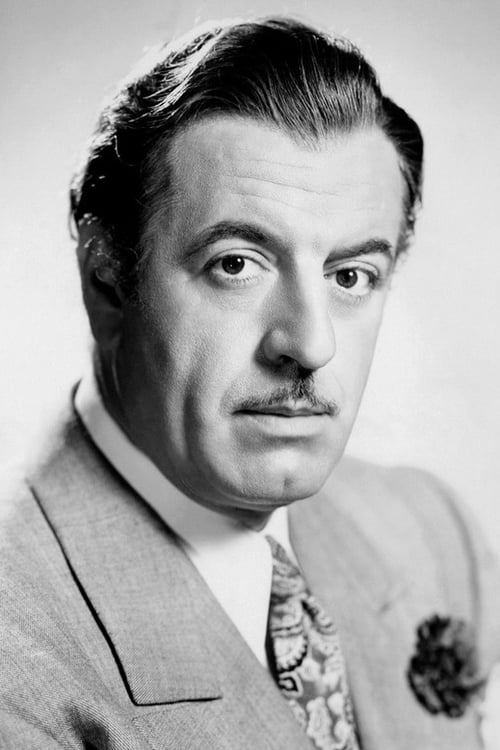
Fortunio Bonanova
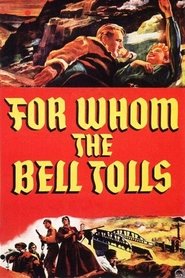
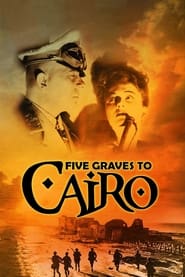
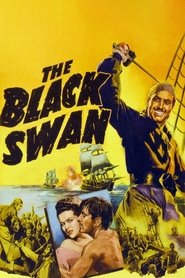
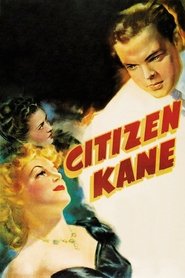
Fortunio Bonanova, pseudonym of Josep Lluís Moll, (13 January 1895 – 2 April 1969) was a Spanish baritone singer and a film, theater, and television actor. He occasionally worked as a producer and director. According to Lluis Fàbregas Cuixart, the pseudonym Fortunio Bonanova referred to his desire to seek fortune, and his love of the Bonanova neighborhood in his native Palma. As a young man, living under his birthname, he was a professional telegraph operator. He studied music with the Italian Giovachini. In 1921, he debuted as a singer in Tannhäuser, at the Teatre Principal in Palma. That year, along with a group of Majorcan intellectuals and Jorge Luis Borges (who was briefly living in Majorca with his parents and sister), he signed the Ultraist Manifesto, using the name Fortunio Bonanova. Also in 1921, he appeared in a silent film of Don Juan Tenorio by the brothers Baños, which was shown the following year in New York City and Hollywood. He later directed his own Don Juan in 1924. In 1927, he acted in Love of Sunya, directed by Albert Parker and starring Gloria Swanson. In 1932 he had small parts in Hollywood productions featuring Joan Bennett and Mary Astor. In the same period, he appeared in New York in several operas as well as the zarzuelas La Canción del Olvido ("The song of forgetting"), La Duquesa del Tabarín ("The Duchess of Tabarín"), Los Gavilanes, and La Montería. In 1934, he returned to Spain, where he had a major role in the film El Desaparecido ("The disappeared one") written and directed by Antonio Graciani. In 1935 he acted and sang in the film Poderoso Caballero ("A Big Guy"), directed by Màximo Nossik. In 1936, with the outbreak of the Spanish Civil War, he returned to the United States, where he played the role of Captain Bill in a film called Capitán Tormenta, directed by Jules Bernhardt. A sequence of increasingly larger acting and singing roles mostly in English-language films followed, especially after 1940. Among his roles were Signor Matiste, Susan Alexander Kane's opera coach in Citizen Kane (1941); General Sebastiano in Five Graves to Cairo (1943); Don Miguel in The Black Swan (1942); Fernando in For Whom the Bell Tolls (1943); Sam Garlopis in Double Indemnity (1944); and a singing Christopher Columbus in Where Do We Go From Here?. He continued for the next several decades in a miscellany of character roles.
Fortunio Bonanova, pseudònim de Josep Lluís Moll (Palma de Mallorca, Illes Balears, 13 de gener de 1895 - Woodland Hills, Los Angeles, 2 d’abril de 1969), va ser baríton, actor de cinema i teatre, productor, director, amb aparicions notables a televisió com a convidat i va participar amb funcions diferents a alguns films i sèries de televisió, ballarí, dramaturg, i novel·lista.
Fortunio Bonanova, Pseudonym von Josep Lluís Moll (13. Januar 1895 – 2. April 1969), war ein spanischer Bariton und Schauspieler (Film, Theater, Fernsehen). Gelegentlich arbeitete er auch als Produzent und Regisseur. Laut Lluís Fàbregas Cuixart bezog sich das Pseudonym Fortunio Bonanova auf seinen Wunsch nach Reichtum und seine Verbundenheit zum Viertel Bonanova in seiner Geburtsstadt Palma. Als junger Mann lebte er unter seinem Geburtsnamen und arbeitete als Telegrafist. Er studierte Musik bei dem Italiener Giovachini. 1921 debütierte er als Sänger in „Tannhäuser“ am Teatre Principal in Palma. Im selben Jahr unterzeichnete er zusammen mit einer Gruppe mallorquinischer Intellektueller und Jorge Luis Borges (der sich kurzzeitig mit seinen Eltern und seiner Schwester auf Mallorca aufhielt) das Ultraistische Manifest unter dem Namen Fortunio Bonanova. Ebenfalls 1921 wirkte er in einem Stummfilm von Don Juan Tenorio der Brüder Baños mit, der im folgenden Jahr in New York und Hollywood gezeigt wurde. 1924 führte er bei seinem eigenen Don Juan Regie. 1927 spielte er in „Love of Sunya“ unter der Regie von Albert Parker mit Gloria Swanson in der Hauptrolle. 1932 hatte er kleinere Rollen in Hollywood-Produktionen mit Joan Bennett und Mary Astor. Im selben Zeitraum trat er in New York in mehreren Opern sowie in den Zarzuelas „La Canción del Olvido“ („Das Lied des Vergessens“), „La Duquesa del Tabarín“ („Die Herzogin von Tabarín“), „Los Gavilanes“ und „La Montería“ auf. 1934 kehrte er nach Spanien zurück, wo er eine Hauptrolle in dem von Antonio Graciani geschriebenen und inszenierten Film „El Desaparecido“ („Der Verschwundene“) übernahm. 1935 spielte und sang er in dem Film „Poderoso Caballero“ („Ein großer Kerl“), unter der Regie von Màximo Nossik. 1936, mit Ausbruch des Spanischen Bürgerkriegs, kehrte er in die Vereinigten Staaten zurück, wo er die Rolle des Captain Bill in dem Film „Capitán Tormenta“ von Jules Bernhardt übernahm. Es folgten zahlreiche, immer größere Schauspiel- und Gesangsrollen, vorwiegend in englischsprachigen Filmen, insbesondere nach 1940. Zu seinen Rollen zählten Signor Matiste, Susan Alexander Kanes Opernlehrer in „Citizen Kane“ (1941); General Sebastiano in „Five Graves to Cairo“ (1943); Don Miguel in „Der schwarze Schwan“ (1942); Fernando in „Wem die Stunde schlägt“ (1943); Sam Garlopis in „Frau ohne Gewissen“ (1944); und ein singender Christoph Kolumbus in „Wohin gehen wir von hier?“. In den folgenden Jahrzehnten verkörperte er eine Vielzahl von Charakterrollen.
Acting (61)




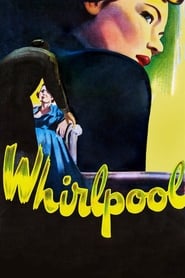
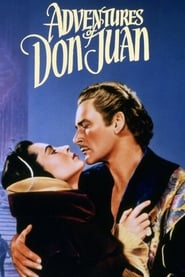
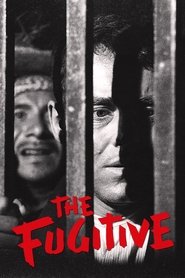
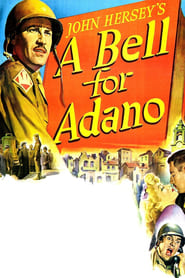



… and 1 more