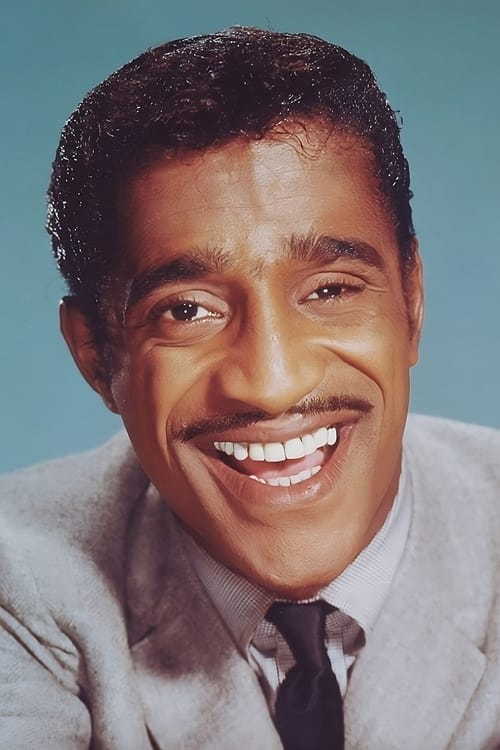
Sammy Davis Jr.
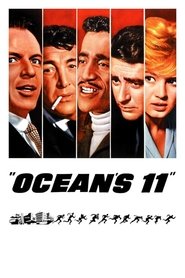
Samuel George "Sammy" Davis, Jr. (December 8, 1925 – May 16, 1990) was an American entertainer. Primarily a dancer and singer, Davis was a childhood vaudevillian who became known for his performances on Broadway and in Las Vegas, as a recording artist, television and film star, and as a member of Frank Sinatra's "Rat Pack". At the age of four Davis began his career in vaudeville with his father and "uncle" as the Will Mastin Trio, toured nationally, and after military service, returned to the trio. Davis became an overnight sensation following a nightclub performance at Ciro's after the 1951 Academy Awards, with the trio, became a recording artist, and made his first film performances as an adult later that decade. In 1954, he lost his left eye in an automobile accident. Later the same year, he converted to Judaism. In 1960, he appeared in the first Rat Pack movie, Ocean's 11. After a starring role on Broadway in 1956's Mr Wonderful, Davis returned to the stage in 1964's Golden Boy, and in 1966 had his own TV variety show, The Sammy Davis Jr. Show. Davis's career slowed in the late sixties, but he had a hit record with "The Candy Man", in 1972, and became a star in Las Vegas. As an African American, Davis was the victim of racism throughout his life, and was a large financial supporter of civil rights causes. Davis had a complex relationship with the African American community, and attracted criticism after physically embracing Richard Nixon in 1970. One day on a golf course with Jack Benny, he was asked what his handicap was. "Handicap?" he asked. "Talk about handicap — I'm a one-eyed Negro Jew." This was to become a signature comment, recounted in his autobiography, and in countless articles. After reuniting with Sinatra and Dean Martin in 1987, Davis toured with them and Liza Minnelli internationally, before dying of throat cancer in 1990. He died in debt to the Internal Revenue Service, and his estate was the subject of legal battles. Davis was awarded the Spingarn Medal by the NAACP, and was nominated for a Golden Globe and an Emmy Award for his television performances. He was the recipient of the Kennedy Center Honors in 1987, and in 2001, he was posthumously awarded the Grammy Lifetime Achievement Award.
Samuel George Davis Jr. (Harlem, 8 de desembre de 1925 – Beverly Hills, 16 de maig de 1990), més conegut com a Sammy Davis Jr., fou un cantant, músic multi-instrumentista (vibràfon, trompeta i bateria), ballarí, actor i comediant estatunidenc.
Samuel Davis Jr., dit Sammy Davis Jr., est un artiste américain, né le 8 décembre 1925 dans le quartier de Harlem (New York) et mort le 16 mai 1990 à Beverly Hills (comté de Los Angeles). Il est à la fois danseur, chanteur, acteur, imitateur, musicien (piano, vibraphone, trompette et batterie). Samuel George Davis, Jr. naît dans le quartier de Harlem, à Manhattan, à New York. Il est le fils d'Elvera Sanchez, une danseuse, et de Sammy Davis, Sr., un artiste touche-à-tout afro-américain. Le couple gagne sa vie en jouant dans des comédies populaires au théâtre. Nourrisson, il est élevé par sa grand-mère paternelle. Le petit Sammy n'est âgé que de trois ans lorsque ses parents divorcent. Pour éviter de perdre la garde de son fils, Sammy Sr. l'emmène avec lui en tournée. Au sujet de sa mère, Sammy Davis Jr. prétendra toute sa vie qu'elle était portoricaine, mais l'un de ses biographes affirme que celle-ci était en fait d'origine cubaine. Sammy aurait menti pour éviter d'être confronté aux sentiments anti-cubains des États-Unis dans les années 1960, à leur apogée après la crise des missiles en 1962. Enfant, il apprend la danse grâce à son père et à son «oncle», Will Mastin, le leader de la troupe où danse Sammy Sr. Bientôt, le tout jeune Sammy Jr. âgé de six ans rejoint son père et Will Mastin sur les planches dans un numéro de music-hall pour former le Will Mastin Trio. À huit ans, il est présenté en vedette avec smoking et souliers vernis dans les salles où la troupe se produit. À l'âge de treize ans, il danse sur scène à raison d'un à trois passages par soirée. Tout au long de sa carrière, Sammy Davis Jr. reversera une partie de ses cachets aux membres de son ancien groupe. Son père et Will Mastin font tout pour protéger l'enfant du racisme ambiant. Ils lui expliquent, par exemple, que les railleries et pis dont il est victime pendant la Seconde Guerre mondiale sont l'expression de la jalousie. Quand Sammy Jr. est enrôlé dans les forces américaines en 1942, il se voit confronté au racisme pour la première fois. Il racontera plus tard: «La nuit, le monde était différent. Ce n'était plus une question de couleur. C'est là que je me suis rendu compte que mon père et Will m'avaient protégé jusque-là. Ils avaient espéré que je puisse échapper aux moqueries et à la haine. Je leur en étais reconnaissant, mais ils avaient eu tort. C'était comme si j'étais passé par une porte battante pendant dix-huit ans, une porte qu'ils avaient secrètement toujours laissé ouverte.» Malgré les railleries et grâce au sergent Williams qui lui fait découvrir Oscar Wilde et Shakespeare, Sammy Jr. rejoint une unité de divertissement pendant son service militaire, et découvre qu'être sous les projecteurs constitue une sorte de bouclier contre le racisme. «Mon talent était une arme, une force, un moyen de me défendre. C'était le seul moyen dont je disposais pour tenter de faire réfléchir la personne en face de moi», a-t-il déclaré. ... Source: Article "Sammy Davis, Jr." de Wikipédia en français, soumis à la licence CC-BY-SA 3.0.
Дэвис родился в Гарлеме, штат Нью-Йорк. Свою карьеру он начал уже в трёхлетнем возрасте, выступая вместе со своими отцом и дядей в составе Трио Уилла Мастина. Отслужив два года в армии, он вернулся в трио и начал выступать в ночных клубах, где вскоре завоевал популярность. Помимо пения и танцев Дэвис учился играть на множестве музыкальных инструментов. В 1954 году он подписал контракт с Decca Records и выпустил свой первый альбом, озаглавленный как Starring Sammy Davis, Jr. В тот же год Дэвис попал в серьёзную автомобильную аварию, в результате чего лишился левого глаза. Когда Дэвис находился в лечебнице, его друг актёр Эдди Кантор рассказал ему о сходстве между еврейской и афроамериканской культурами. Вдохновлённый этим разговором, Дэвис, родившийся в семье матери-католички и отца-протестанта, начал изучать историю евреев. Через несколько лет он обратился в иудаизм. Одна прочтённая им фраза, описывающая выносливость еврейского народа, особенно заинтересовала его: «Еврейский народ не умрёт. Три тысячелетия пророческих наставлений дали им неколебимый дух покорности и создали в них волю к жизни, которую не может сокрушить никакое бедствие». Авария поставила карьеру актёра под угрозу, однако в 1955 году он вернулся на сцену. Новым шагом в его карьере стало появление в 1956 году на Бродвее в мюзикле «Мистер Вандерфул». С 1959 года Дэвис также выступал в составе коллектива «Крысиная стая» (англ. Rat Pack) Фрэнка Синатры, где был единственным темнокожим участником. Вместе с Rat Pack он снялся сразу в нескольких художественных фильмах, первым из которых стала криминальная комедия 1960 года «Одиннадцать друзей Оушена». В 1966 году Дэвис начал вести собственную телевизионную программу «Шоу Сэмми Дэвиса-младшего», а в 1970 году появился в камео-роли в фильме «Элвис: Всё, как есть». В 1972 году он записал кавер-версию песни The Candy Man из фильма «Вилли Вонка и шоколадная фабрика», которая тут же стала хитом в США и достигла первой строчки Billboard Hot 100. В 1988 году Дэвис воссоединился с Синатрой и отправился в международное турне, где выступал также с Дином Мартином (ещё одним бывшим участником Rat Pack) и Лайзой Миннелли. Дэвис неоднократно сталкивался с расизмом, в частности, он подвергался нападкам за свой второй из трёх браков со шведской актрисой Мэй Бритт. Также он участвовал в правозащитной деятельности, и в 1968 году Национальной ассоциацией содействия прогрессу цветного населения ему была вручена Медаль Спингарна, присуждаемая наиболее отличившимся афроамериканцам. Помимо этого Дэвис также номинировался на «Золотой глобус» и «Эмми» за свои телевизионные выступления. В 2001 году он был посмертно награждён премией Grammy Lifetime Achievement Award.
Acting (52)




Crew (3)