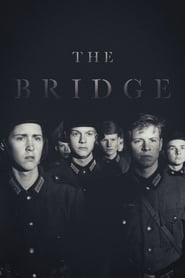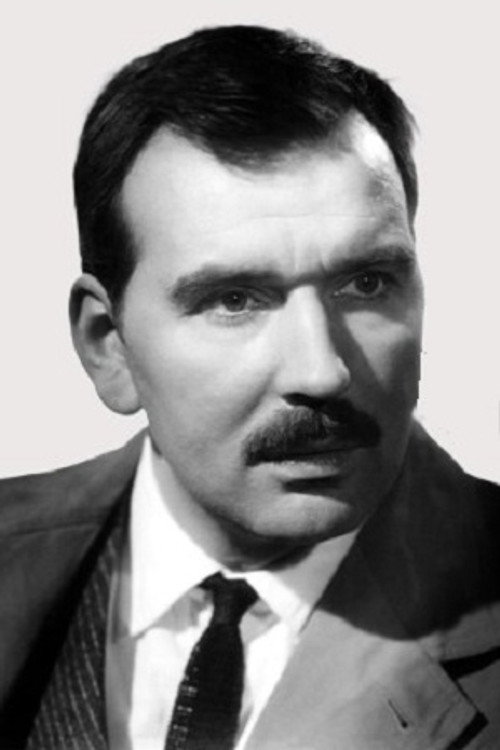
Bernhard Wicki
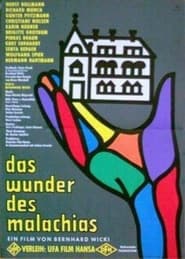
From Wikipedia, the free encyclopedia. Bernhard Wicki (28 October 1919 in St. Pölten, Austria - 5 January 2000 in Munich) was an Austrian actor and film director. Wicki studied in the city of Breslau such topics as Art History, History und German Literature. In 1938, he transferred to the Schauspielschule des Staatlichen Schauspielhauses (drama school) in Berlin. In 1939, because of his membership in the Bündischen Jugend he was imprisoned for many months in the Sachsenhausen concentration camp. After his release he moved to Vienna, and then in 1944 to Switzerland. After the end of World War II, he starred in many films, like Die letzte Brücke (1953) and Es geschah am 20. Juli (1955). He was also a photographer. His first attempt at directing came three years later with the documentary Warum sind sie gegen uns? (1958). He became internationally famous with his anti-war film of 1959 called Die Brücke. In 1961, he won the Silver Bear for Best Director at the 11th Berlin International Film Festival for his film The Miracle of Father Malachia. After his death in 2001, a fund was started and named after him in Munich, the Bernhard Wicki Memorial Fund. Since 2002, it has awarded a film prize, The Bridge, considered a peace prize. A further prize was endowed in 2006 with 15,000 euros, a prize given in the city of Emden since 2000. He was a patron of the International Film Festival in Emden-Norderney which first started in 1990. He first married Agnes Fink, a fellow acting colleague, and later married Elisabeth Endriss, also a colleague. In the documentary Verstörung - und eine Art von Poesie (June, 2007), Elisabeth Wicki-Endriss portrayed the life and work for Wicki. He is buried at the Nymphenburger cemetery in Munich (grave number 4-1-23). Description above from the Wikipedia article Bernhard Wicki, licensed under CC-BY-SA, full list of contributors on Wikipedia
Bernhard Wiki (Sankt Pölten, Àustria, 28 d’octubre de 1919 - Múnic, Alemanya, 5 de gener de 2000) va ser un actor i director de cinema austríac.
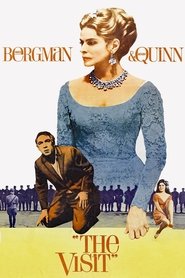
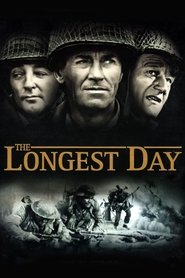
Bernhard Wicki war ein österreichisch-schweizerischer Schauspieler, Filmregisseur und Drehbuchautor. Er war eine Schlüsselfigur bei der Wiederbelebung des deutschsprachigen Nachkriegskinos, insbesondere in Westdeutschland, und führte auch bei mehreren Hollywood-Filmen Regie, insbesondere sein Debüt-Antikriegsfilm Die Brücke (1959), das religiöse Drama Das Wunder von Pater Malachia (1961), die Friedrich-Dürrenmatt-Adaption Der Besuch (1964) und die deutschen Teile des Weltkriegsepos Der längste Tag (1962). Er gewann vier Deutsche Filmpreise für die Beste Regie.
Sein Debüt als Filmschauspieler gab Wicki 1950 mit einer Rolle in "Der fallende Stern" von Harald Braun. In den 1950er Jahren avancierte er zu einem der großen Charakterdarsteller des deutschen Kinos
Бернхард Викки - швейцарский актёр, кинорежиссёр и фотограф. Родился в Санкт-Пёльтене, Нижняя Австрия в семье швейцарского инженера и совладельца машиностроительного завода и австрийки с венгерскими корнями. Окончив школу в Силезии, изучал искусствоведение, историю и германистику в Бреславском университете, в 1938 году перешёл в актёрскую школу при Берлинском государственном драматическом театре. В 1939 году был арестован и помещён на несколько месяцев в концентрационный лагерь Заксенхаузен за членство в молодёжной организации. После освобождения переехал в Вену и поступил на семинар Макса Рейнхардта. В 1939-1940 годах участвовал в качестве статиста в съёмках фильма «Почтмейстер» по повести Пушкина «Станционный смотритель». Работал в театрах Бремена, Мюнхена, Базеля и Цюриха. Участвовал в постановках Зальцбургского фестиваля. В начале 1945 года женился на актрисе Агнессе Финк, вместе с которой ещё до окончания Второй мировой войны перешёл на работу в Цюрихский драматический театр. В Цюрихе получил швейцарское гражданство. Познакомился и подружился с драматургом Фридрихом Дюрренматтом. В 1950 году состоялся кинодебют актёра в фильме «Падающая звезда», за которым последовали «Последний мост» (1953) и «Это произошло 20 июля» (1955). Под впечатлением от фотовыставки, организованной в Люцерне агентством Magnum, Викки решил заняться фотографией. Он попросил режиссёра Хельмута Койтнера взять его ассистентом оператора фильма «Монпти» (1957). В 1958 году он впервые выступил в качестве режиссёра, сняв документальный фильм «Почему они против нас?». Международная известность пришла к Викки в 1959 году благодаря фильму «Мост» - трагической истории бессмысленной обороны моста в конце Второй мировой войны.
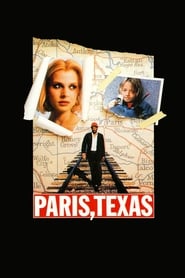
Acting (47)
Writing (6)
Directing (11)