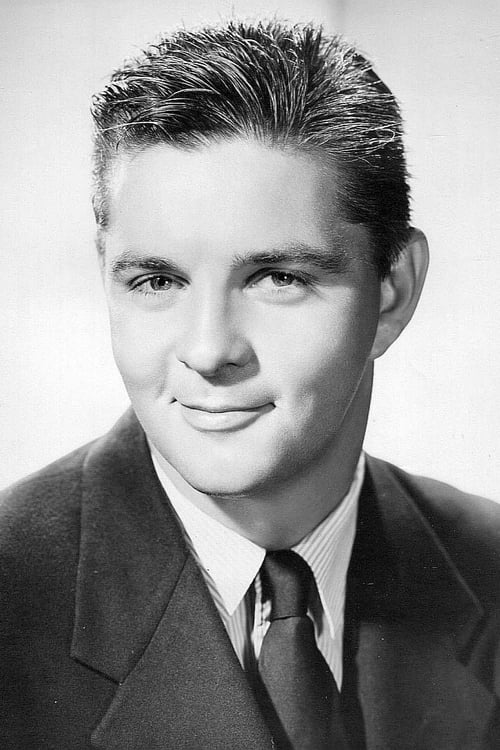
John Mitchum
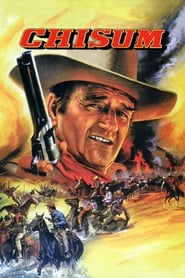
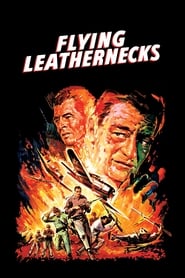
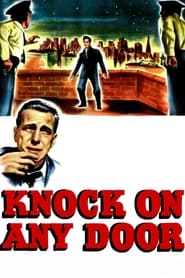
John Newman Mitchum was the September child of a Norwegian mother and an Irish/Blackfoot father whom he never knew, as he was killed in a tragic train yard accident in 1919. His two-years-older brother Robert filled the role as best as he could, while their older sister Annette studied the lively arts and eventually joined a traveling vaudeville team. Born in Bridgeport, Connecticut, the young family moved to Rising Sun, Delaware, where farm life didn't agree with the young boys. Scarce opportunities took them to New York City, where the streets of Hell's kitchen taught the brothers to fight, a skill they developed so well they earned the moniker 'them ornery Mitchum boys'. Eventually, when the Great Depression deepened, the family was forced to separate with the intention of meeting up with sister Annette, who had married a sailor and moved to California, changing her name to Julie. The teenage boys set out with little more than clean handkerchiefs to find their way across the country by the only means they could: hitchhiking and riding the rails. Their somewhat aimless journey took them to places they had never been; where their Eastern accents were not welcome, so they quickly learned that accurately mimicking the local dialect would keep them out of trouble--some of the time! While brother Robert fairly quickly discovered his place in Hollywood legend, John sought his destiny on the high seas, professionally boxing, or conducting a choir. When the opportunity for acting came along John found his perfect niche as a character actor, mostly playing heavies since he was an imposing figure of a man. John's roles had him playing alongside a wide range of celebrities, from Humphrey Bogart in "Knock On Any Door" (1949) to Gladys Knight in "Pipe Dreams" (1976), Clint Eastwood of "Dirty Harry" (1971) to John Wayne in "Chisum" (1970), appearing in 58 films overall. It was during production of "Chisum" that John Wayne offered his voice for an anthology of John's poetry that seeks to uplift US culture, "America, Why I Love Her", a recording for which Mitchum was nominated for a Grammy in 1973. John was a consummate storyteller (as was his brother Robert), and with his fascination with US history in particular he was ever-ready to regale anyone with a thoughtful, interesting, and insightful anecdote, especially if a guitar was available. It was the wedding of music and history that brought him to create the recording "Our Land, Our Heritage" with Dan Blocker; big "Hoss" from "Bonanza", in 1964. Mitchum had some recurring roles throughout his television career; such as "Pickalong" from "Riverboat", or "Hoffenmueller" from "F-Troop", over 150 appearances in all during the span of a half-century career. The brothers Mitchum legacy has been well-preserved in his often hilarious autobiography, "Them Ornery Mitchum Boys", published in 1989. The subjects range from brother Robert escaping a Georgia chain-gang to his "poontang" interview; from John surviving an attacking whale on a three-masted schooner to his adventures riding the rails, developing a great love and respect for the people of the United States.
John Mitchum (Bridgeport, Connecticut, 6 de setembre de 1919 - Los Angeles, Califòrnia, 29 de novembre de 2001) va ser un actor nord-americà des dels anys quaranta fins als setanta al cinema i la televisió. Era el germà petit de l'actor Robert Mitchum, va ser acreditat com a Jack Mitchum al començament de la seva carrera.
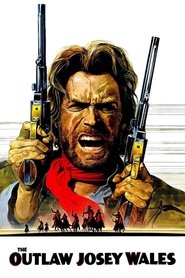
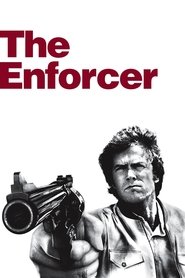
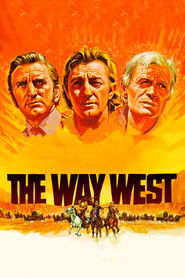
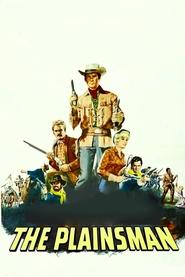
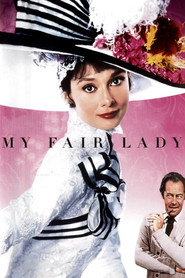
John Newman Mitchum (* 6. September 1919 in Bridgeport, Connecticut; † 29. November 2001 in Los Angeles, Kalifornien) war ein US-amerikanischer Schauspieler. John Mitchum wurde zwei Jahre nach seinem berühmteren Bruder Robert geboren. Als sein Bruder Robert die ältere Schwester von Gloria Grahame heiratete, zog er zusammen mit ihnen nach San Diego. Zwischen 1944 und 1946 leistete er seinen Wehrdienst bei der United States Army. Im Jahr darauf hatte er sein Spielfilmdebüt in einer Nebenrolle in Frank Wisbars Western The Prairie. Im Anschluss spielte er kleinere, im Abspann häufig nicht genannte Rollen in verschiedenen Filmen, darunter viele an der Seite seines Bruders oder unter Regie von Nicholas Ray. Ab Mitte der 1950er Jahre spielte er auch in Fernsehproduktionen, unter anderem Gastrollen in Dezernat M, Rauchende Colts und Twilight Zone. Im Verlaufe der 1960er-Jahre wurden John Mitchums Rollen langsam größer, allerdings blieb er vor allem Nebendarsteller. In My Fair Lady und Westwärts zieht der Wind trat er auch als Sänger in Erscheinung. 1964 nahm er zusammen mit Dan Blocker das Album Our Land, Our Heritage: Stories of America's Great Songs auf. In den 1970er Jahren spielte er wiederholt an der Seite von Clint Eastwood; neben den Western Ein Fremder ohne Namen und Der Texaner stellte er in den ersten drei Filmen der Dirty Harry-Reihe den Polizeiinspektor Frank DiGiorgio dar. In den 1980er Jahren trat er nur noch sporadisch auf, neben einer Gastrolle in der Serie Quincy spielte er noch in einigen Fernsehfilmen, darunter 1989 Aufs Kreuz gelegt neben seinem Bruder Robert und dessen Sohn James. Im selben Jahr veröffentlichte er die Biografie Them Ornery Mitchum Boys.
约翰·纽曼·米彻姆 (John Newman Mitchum) 是 9 月的孩子,母亲是挪威人,父亲是爱尔兰/黑脚人,他从不认识他,因为他在 1919 年的一次悲惨的火车场事故中丧生。他两岁的弟弟罗伯特(Robert)尽其所能地扮演了这个角色,而他们的姐姐安妮特(Annette)则学习了生动的艺术,并最终加入了一个旅行杂耍队。这个年轻的家庭出生于康涅狄格州的布里奇波特,后来搬到了特拉华州的旭日市,那里的农场生活与小男孩们不相符。由于机会稀少,他们来到了纽约市,在那里,地狱厨房的街道教会了兄弟俩打架,他们把这项技能发展得如此之好,以至于赢得了“他们这些顽强的米彻姆男孩”的绰号。最终,当大萧条加深时,这个家庭被迫分开,目的是与嫁给水手并搬到加利福尼亚的姐姐安妮特见面,她的名字改为朱莉。这些十几岁的男孩只带了一块干净的手帕,就出发了,他们只能通过唯一能走的路来穿越全国:搭便车和乘坐铁轨。他们有些漫无目的的旅程将他们带到了他们从未去过的地方;他们的东方口音不受欢迎,所以他们很快了解到,准确地模仿当地方言可以让他们摆脱麻烦——有时!虽然弟弟罗伯特很快就发现了自己在好莱坞传奇中的地位,但约翰在公海上寻求自己的命运,从事职业拳击或指挥合唱团。当表演的机会出现时,约翰找到了他作为角色演员的完美定位,主要是扮演重量级角色,因为他是一个气势磅礴的男人。约翰的角色让他与众多名人并肩作战,从《敲门》(1949 年)中的亨弗莱·鲍嘉到《白日梦》(1976 年)中的格拉迪斯·奈特,《肮脏的哈利》(1971 年)的克林特·伊斯特伍德到《Chisum》(1970 年)中的约翰·韦恩,总共出现在 58 部电影中。正是在制作“Chisum”期间,约翰·韦恩(John Wayne)为约翰的诗集“美国,我为什么爱她”(America, Why I Love Her)提供了他的声音,米彻姆(Mitchum)在1973年获得了格莱美奖提名。约翰是一个完美的讲故事者(和他的兄弟罗伯特一样),他对美国历史的迷恋尤其强烈,他随时准备用深思熟虑、有趣和有洞察力的轶事来吸引任何人,尤其是在有吉他的情况下。正是音乐与历史的结合,使他与丹·布洛克(Dan Blocker)一起创作了唱片“我们的土地,我们的遗产”;1964 年,来自“Bonanza”的大“Hoss”。米彻姆在他的电视生涯中有一些反复出现的角色;例如《Riverboat》中的“Pickalong”,或《F-Troop》中的“Hoffenmueller”,在半个世纪的职业生涯中总共出场150多次。米彻姆兄弟的遗产在他1989年出版的经常搞笑的自传《他们奥纳里·米彻姆男孩》中得到了很好的保存。主题范围从兄弟罗伯特逃离佐治亚州的一个连锁帮派到他的“poontang”采访;从约翰在三桅纵帆船上从一头攻击的鲸鱼中幸存下来,到他乘坐铁轨的冒险经历,对美国人民产生了极大的热爱和尊重。
約翰·紐曼·米徹姆 (John Newman Mitchum) 是 9 月的孩子,母親是挪威人,父親是愛爾蘭/黑腳人,他從不認識他,因為他在 1919 年的一次悲慘的火車場事故中喪生。他兩歲的弟弟羅伯特(Robert)盡其所能地扮演了這個角色,而他們的姐姐安妮特(Annette)則學習了生動的藝術,並最終加入了一個旅行雜耍隊。這個年輕的家庭出生於康涅狄格州的布里奇波特,後來搬到了特拉華州的旭日市,那裏的農場生活與小男孩們不相符。由於機會稀少,他們來到了紐約市,在那裏,地獄廚房的街道教會了兄弟倆打架,他們把這項技能發展得如此之好,以至於贏得了“他們這些頑強的米徹姆男孩”的綽號。最終,當大蕭條加深時,這個家庭被迫分開,目的是與嫁給水手並搬到加利福尼亞的姐姐安妮特見面,她的名字改為朱莉。這些十幾歲的男孩只帶了一塊乾淨的手帕,就出發了,他們只能透過 透過 透過 透過 通過唯一能走的路來穿越全國:搭便車和乘坐鐵軌。他們有些漫無目的的旅程將他們帶到了他們從未去過的地方; 他們的東方口音不受歡迎,所以他們很快瞭解到,準確地模仿當地方言可以讓他們擺脱麻煩——有時!雖然弟弟羅伯特很快就發現了自己在好萊塢傳奇中的地位,但約翰在公海上尋求自己的命運,從事職業拳擊或指揮合唱團。當表演的機會出現時,約翰找到了他作為角色演員的完美定位,主要是扮演重量級角色,因為他是一個氣勢磅礴的男人。約翰的角色讓他與眾多名人並肩作戰,從《敲門》(1949 年)中的亨弗萊·鮑嘉到《白日夢》(1976 年)中的格拉迪斯·奈特,《骯髒的哈利》(1971 年)的克林特·伊斯特伍德到《Chisum》(1970 年)中的約翰·韋恩,總共出現在 58 部電影中。正是在製作“Chisum”期間,約翰·韋恩(John Wayne)為約翰的詩集“美國,我為什麼愛她”(America, Why I Love Her)提供了他的聲音,米徹姆(Mitchum)在 1973 年獲得了格萊美獎提名。約翰是一個完美的講故事者(和他的兄弟羅伯特一樣),他對美國曆史的迷戀尤其強烈,他隨時準備用深思熟慮、有趣和有洞察力的軼事來吸引任何人,尤其是在有吉他的情況下。正是音樂與歷史的結合,使他與丹·布洛克(Dan Blocker)一起創作了唱片“我們的土地,我們的遺產”; 1964 年,來自“Bonanza”的大“Hoss”。米徹姆在他的電視生涯中有一些反覆出現的角色; 例如《Riverboat》中的“Pickalong”,或《F - Troop》中的“Hoffenmueller”,在半個世紀的職業生涯中總共出場 150 多次。米徹姆兄弟的遺產在他 1989 年出版的經常搞笑的自傳《他們奧納裏·米徹姆男孩》中得到了很好的保存。主題範圍從兄弟羅伯特逃離佐治亞州的一個聯鎖幫派到他的“poontang”採訪; 從約翰在三桅縱帆船上從一頭攻擊的鯨魚中倖存下來,到他乘坐鐵軌的冒險經歷,對美國人民產生了極大的熱愛和尊重。
Acting (35)