Inger Stevens
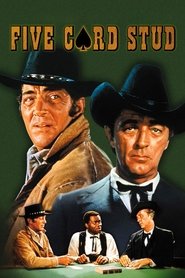
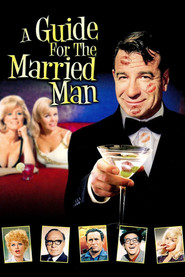
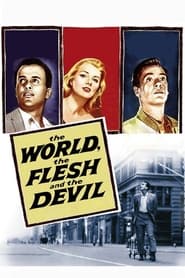
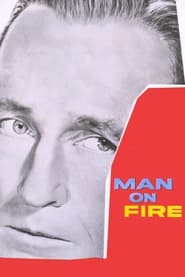
Inger Stevens (born Ingrid Stensland; October 18, 1934 – April 30, 1970)[1] was a Swedish–American film, television, and stage actress. Stevens was born in Stockholm, Sweden, the eldest child of Per Gustaf and Lisbet Stensland. When she was six years old, her mother abandoned the family (taking her youngest son Peter with her). Soon afterwards Stevens' father moved to the United States, leaving Stevens and her brother, Ola, in the custody of the family maid—and then later with an aunt in Lidingö, near Stockholm. In 1944, she and her brother moved to the United States and lived with their father and his new wife in New York City where he was teaching at Columbia University. At age 13, Stevens moved with her family to Manhattan, Kansas, where her father taught at Kansas State University. Stevens attended Manhattan High School. At 16, she ran away from home to Kansas City, and worked in burlesque shows. At 18, she left Kansas City to return to New York City, where she worked as a chorus girl and in the Garment District while taking classes at the Actors Studio. Stevens appeared on television series, in commercials, and in plays until she received her big break in the film Man on Fire, starring Bing Crosby. Roles in major films followed, including a starring role opposite Harry Belafonte in 1959's The World, the Flesh and the Devil, but she achieved her greatest success in the television series The Farmer's Daughter (1963–1966), with William Windom. Previously, Stevens had appeared in episodes of Bonanza, Route 66, The Alfred Hitchcock Hour, The Eleventh Hour, Sam Benedict The Aquanuts (1960 TV series) and The Twilight Zone. Following the cancellation of The Farmer's Daughter in 1966, Stevens appeared in several films: A Guide for the Married Man (1967), with Walter Matthau; Hang 'Em High, with Clint Eastwood; 5 Card Stud, with Dean Martin and Robert Mitchum; and Madigan with Henry Fonda and Richard Widmark. At the time of her death, Stevens was attempting to revive her television career with the detective drama series The Most Deadly Game. Her first husband was her agent Anthony Soglio, to whom she was married from 1955 to 1957. In January 1966, she was appointed to the Advisory Board of the UCLA Neuropsychiatric Institute by then-California governor Edmund G. "Pat" Brown. She also was named Chairman of the California Council for Retarded Children. Her aunt was Karin Stensland Junker, author of The Child in the Glass Ball. On the morning of April 30, 1970, Stevens's sometime roommate and companion, Lola McNally, found her on the kitchen floor of her Hollywood Hills home. According to McNally, when she called Stevens's name, she opened her eyes, lifted her head, and tried to speak, but was unable to make any sound. McNally told police that she had spoken to Stevens the previous night and had seen no sign of trouble. Stevens died in the ambulance on the way to the hospital. On arrival, medics removed a small bandage from her chin that revealed a small amount of fresh blood oozing from a cut that appeared to have been a few hours old. Los Angeles County Coroner Dr. Thomas Noguchi attributed Stevens's death to "acute barbiturate poisoning" that was eventually ruled a suicide.
Inger Stevens, nascuda Ingrid Stensland (Estocolm, Suècia, 18 d’octubre de 1934 - Los Angeles, Califòrnia, 30 d’abril de 1970), va ser una actriu de cinema i televisió sueca-nord-americana guanyadora d'un Globus d'Or.
Inger Stevens war eine schwedisch-amerikanische Schauspielerin. Sie arbeitete in der Bekleidungsbranche und nahm nebenbei Schauspielunterricht bei Lee Strasberg. Zum ersten Mal tauchte Inger Stevens in den frühen fünfziger Jahren auf dem Bildschirm auf. Ihren ersten Film mit dem Titel Man On Fire drehte sie 1957 mit Bing Crosby, mit dem sie auch eine Affäre hatte. In den Jahren 1961 bis 1966 trat sie in der sehr erfolgreichen Fernsehserie The Farmer’s Daughter der US-Fernsehgesellschaft ABC auf. Nach zahlreichen Auftritten in mehreren Shows und Werbespots war sie nun der Star in ihrer eigenen Show. Nachdem die TV-Serien abgedreht waren, wandte sie sich wieder ihrer Filmkarriere zu. Von 1966 bis 1969 trat sie zusammen mit vielen Hollywoodgrößen in zahlreichen erfolgreichen Filmen vor die Kamera. Ihr zweiter Anlauf zu einer großen Filmkarriere war geglückt und ihre Zukunft schien verheißungsvoller denn je. Sie hatte es geschafft, von einem der ersten Fernsehstars zu einem großen Filmstar aufzusteigen. Am Morgen des 30. April 1970 wurde Inger Stevens von ihrer Bekannten und ehemaligen Mitbewohnerin Lola McNally bewusstlos in ihrer Küche aufgefunden. Bei ihrer Ankunft in einem nahegelegenen Hospital wurde sie offiziell für tot erklärt. Gemäß der ersten Begutachtung, und spätere toxikologische Untersuchungen bestätigten dies, starb sie an einer Überdosis Barbiturate. Es soll aber auch Hinweise geben, dass Inger Stevens umgebracht worden ist.
Inger Stevens (18 de outubro de 1934 - 30 de abril de 1970) foi uma atriz de cinema e TV sueco-americana.
Acting (21)