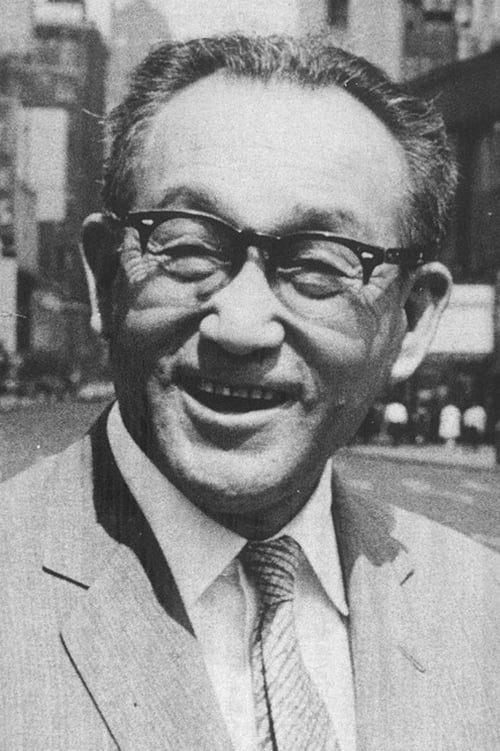
Eiji Tsuburaya
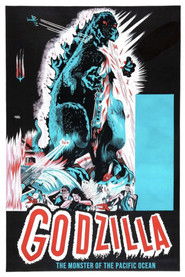
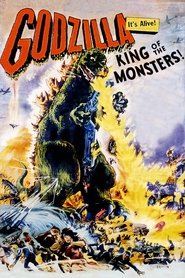
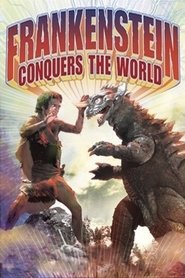
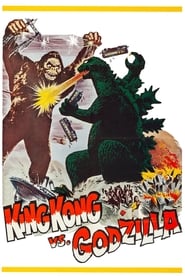
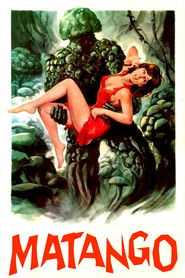
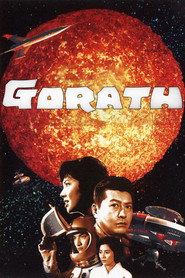
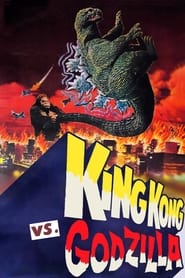
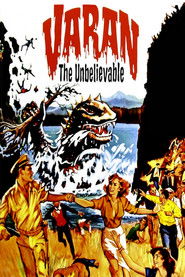
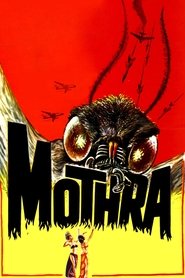
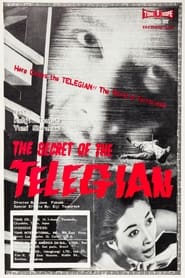
Eiji Tsuburaya ranks alongside Willis H. O'Brien and Ray Harryhausen as one of the great visionary SFX masters of twentieth-century fantasy cinema. Best remembered as the amazing special effects genius behind the "Godzilla" series of monster films commencing in 1954, he also contributed effects to a host of other Japanese monster / fantasy / science fiction / drama / propaganda films for over four decades. Eiji Tsuburaya had a keen interest in the cinema from a young age, and legend has it that he acquired a second-hand movie projector when he was only ten years old, and pulled it apart and put it back together with relative ease. He began work as a cinematographer in Kyoto around 1919 and then enhanced his skills to include camera work throughout the 1920s, at which time his eye for detail was in high demand from many studios. Around 1938, he became head of Special Visual Techniques at Toho Studios, and during the Second World War, he was involved in the production of several Japanese propaganda films. He went freelance after the war, and in 1954 he collaborated with director Ishirô Honda on the monster epic Gojira (1954) (aka "Godzilla"). The film was an enormous hit in Japan, and additional scenes were filmed with US actor Raymond Burr and then inserted strategically to give the movie western appeal. "Godzilla, King Of The Monsters" was then released in the USA to strong box office takings, and Godzilla has since appeared in over two dozen films spanning over fifty years, becoming a key cult icon of Japanese culture!! The incredibly talented Tsuburaya went on to be the SFX director behind dozens of Japanese monster & science fiction classics including Sora no daikiju Radon (1956) (aka "Rodan"), Bijo to ekitai ningen (1958) (aka "The H-Man"), Densô ningen (1960) (aka "The Telegian"), Mosura (1961) (aka "Mothra"), Kingu Kongu tai Gojira (1962) (aka "King Kong versus Godzilla"), Varan the Unbelievable (1962), Matango (1963), Furankenshutain tai chitei kaiju Baragon (1965) (aka "Frankenstein Conquers the World"), and Kaiju soshingeki (1968) (aka "Destroy All Monsters" ). Tsuburaya had also established his own production company in 1963 (Tsuburaya Productions), creators of the highly popular "Ultraman" character, and subsequent TV shows and films. On January 25, 1970, while vacationing in Shizuoka Prefecture, Tsuburaya suffered a sudden, fatal heart attack. His incredible film & SFX production company is still active today under the guidance of his grandson, Kazuo Tsuburaya.
1919年,作为电影《哀之曲》的摄影助理进入电影界。 1926年,担任恐怖片《疯狂的一页》的摄影助理。 1927年,成为独立摄影师,参与电影《稚儿的剑法》的拍摄。 1937年,担任东宝株式会社特殊技术科科长。 1942年,担任战争片《夏威夷·马来海海战》的特技导演,因此获得关注。 1948年,因在太平洋战争时期拍摄战争片,被勒令从东宝解职。 1952年,处分被解除,重返东宝。 1954年,担任科幻片《哥斯拉》的特摄指导,因此获得第8届日本电影技术奖最佳特技奖。 1963年,离开东宝,成立圆谷株式会社。 1966年,其制作的特摄剧《奥特Q》播出;同年,监制特摄剧《奥特曼》。 1967年,监制特摄剧《赛文·奥特曼》。 1970年1月25日,因心绞痛心脏停跳而去世,享年68岁。
1919 年,作為電影《哀之曲》的攝影助理進入電影界。 1926 年,擔任恐怖片《瘋狂的一頁》的攝影助理。 1927 年,成為獨立攝影師,參與電影《稚兒的劍法》的拍攝。 1937 年,擔任東寶株式會社特殊技術科科長。 1942 年,擔任戰爭片《夏威夷·馬來海海戰》的特技導演,因此獲得關注。 1948 年,因在太平洋戰爭時期拍攝戰爭片,被勒令從東寶解職。 1952 年,處分被解除,重返東寶。 1954 年,擔任科幻片《哥斯拉 1998》的特攝指導,因此獲得第 8 屆日本電影技術獎最佳特技獎。 1963 年,離開東寶,成立圓谷株式會社。 1966 年,其製作的特攝劇《奧特 Q》播出;同年,監製特攝劇《超人》。 1967 年,監製特攝劇《賽文·超人》。 1970 年 1 月 25 日,因心絞痛心臟停跳而去世,享年 68 歲。
Directing (2)
Crew (143)


… and 83 more