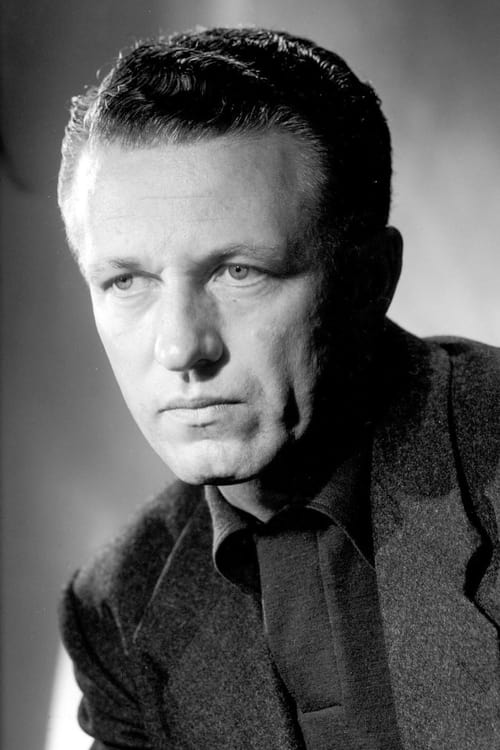
Nicholas Ray
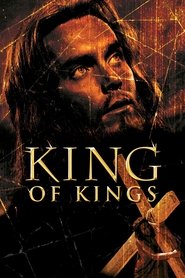
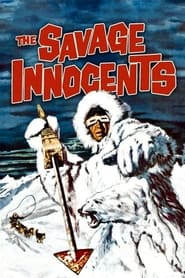
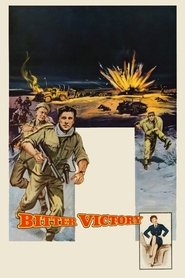
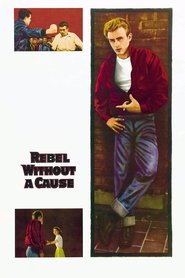
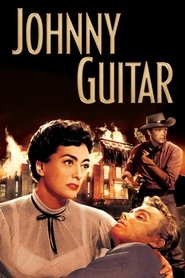
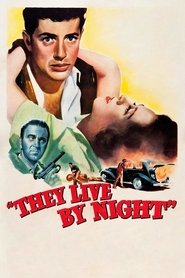
Nicholas Ray (born Raymond Nicholas Kienzle; 7 August 1911 – 16 June 1979) was an American film director best known for the films Rebel Without a Cause and Johnny Guitar. Described by the Harvard Film Archive as "Hollywood's last romantic" and "one of postwar American cinema’s supremely gifted and ultimately tragic filmmakers," Ray was considered an iconoclastic auteur director who often clashed with the Hollywood studio system of the time, but would prove highly influential to future generations of filmmakers. His best-known work is the 1955 film Rebel Without a Cause, starring James Dean. He is appreciated for many narrative features produced between 1947 and 1963, including They Live By Night (1948), In A Lonely Place (1950), Johnny Guitar (1954), Bigger Than Life (1956), and King of Kings (1961), as well as an experimental work produced throughout the 1970s titled We Can't Go Home Again, which was unfinished at the time of Ray's death. During his lifetime, Ray was nominated for an Academy Award for Best Adapted Screenplay for Rebel Without a Cause, twice for the Golden Lion, for Bigger Than Life (1956) and Bitter Victory (1957), and a Palme d'Or for The Savage Innocents (1960). Three of his films were ranked by Cahiers du Cinéma in their Annual Top 10 Lists. Ray's compositions within the CinemaScope frame and use of color are particularly well regarded and he was an important influence on the French New Wave, with Jean-Luc Godard famously writing in a review of Bitter Victory, "... there is cinema. And the cinema is Nicholas Ray."
Nicholas Ray (geb. Raymond Nicholas Kienzle) war ein US-amerikanischer Filmregisseur, der vor allem für die Filme „Denn sie wissen nicht, was sie tun“ und „Johnny Guitar“ bekannt wurde. Das Harvard Film Archive beschrieb Ray als „Hollywoods letzten Romantiker“ und „einen der begabtesten und letztlich tragischen Filmemacher des amerikanischen Nachkriegskinos“. Ray galt als ikonoklastischer Autorenfilmer, der oft mit dem damaligen Hollywood-Studiosystem aneinandergeriet, sich aber als äußerst einflussreich für zukünftige Generationen von Filmemachern erweisen sollte.
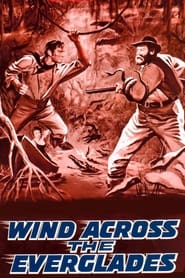
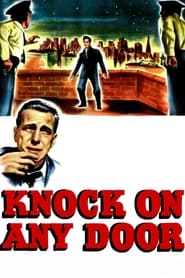
Nicholas Ray, nome artístico de Raymond Nicholas Kienzle (Galesville, Wisconsin, 7 de agosto de 1911 — Nova Iorque, 16 de junho de 1979) foi um cineasta norte-americano que dirigiu vários clássicos de Hollywood, como Rebel Without a Cause (Juventude Transviada), em 1955, e Wind Across The Everglades (Jornada Tétrica), em 1958, entre muitos outros. Seus primeiros filmes frequëntemente focalizavam tipos marginalizados como heróis. Em seu primeiro filme como diretor, o lírico Amarga Esperança, de 1948, Farley Granger fazia o papel de uma assaltante de bancos indeciso em sua fuga com a namorada. Em No Silêncio da Noite, de 1950, Humphrey Bogart era um roterista auto-destrutivo acusado de assassinato.
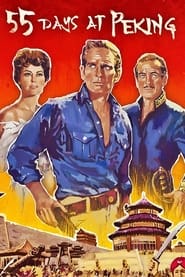
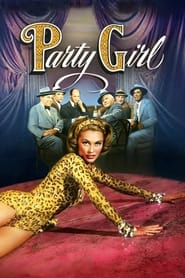
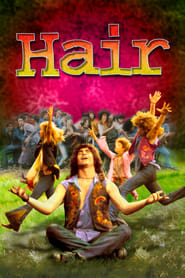
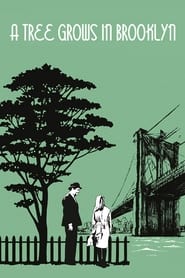
尼古拉斯·雷,美国著名编剧、导演和演员,芝加哥大学建筑系毕业后,在法兰克洛罗赖德建筑协会当研究员。从事研究建筑、雕刻、戏剧。第二次世界大战时期在情报局服务。退役后做过CBS电视台的编剧及导演,也做过约翰哈士曼的舞台导演助理。1945年从影。在伊力卡山导演的《长春树》担任副导演。1948年到雷电华公司,导演第一部剧情长片《They Live by Night》,其后导演詹姆斯狄恩主演的《养子不教谁之过》而成名,1954年导演《Johnny Guitar》曾被提名竞选最佳导演。他的作品十分有劲。 Ray为米高梅拍摄的黑色电影Party Girl是他最后一部好莱坞片。辗转于欧洲各地,Ray拍了讲述耶稣的一生的史诗片King of Kings。不幸的是,1963年在西班牙拍55 Days at Peking时,Ray突发心脏病,终止了电影生涯。此后的十多年,Ray更遭遇一只眼睛失明之苦,他回美国陆续拍了两三部短片、记录片,也在学校教课。1979年,Ray出现在Milos Forman的影片Hair中。同年,Ray和德国导演Wim Wenders一起拍摄了关于自己的记录片Lightning Over Water,影片杀青不久,Ray因肺癌晚期逝世。 戈达尔、特吕弗和里维特在《电影手册》文章中都极为推崇Ray,戈达尔甚至认为:“电影就是Nicholas Ray!”
尼古拉斯·雷(Nicholas Ray,1911 年 8 月 7 日 - 1979 年 6 月 16 日)是一位美國電影導演,以電影《無緣無故的叛逆》和《約翰尼吉他》而聞名。
Directing (22)



Acting (8)
Writing (8)