Joan Fontaine
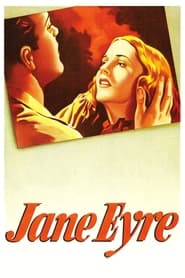
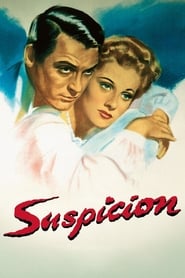
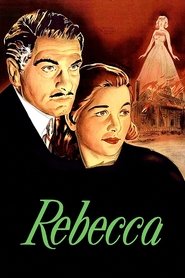
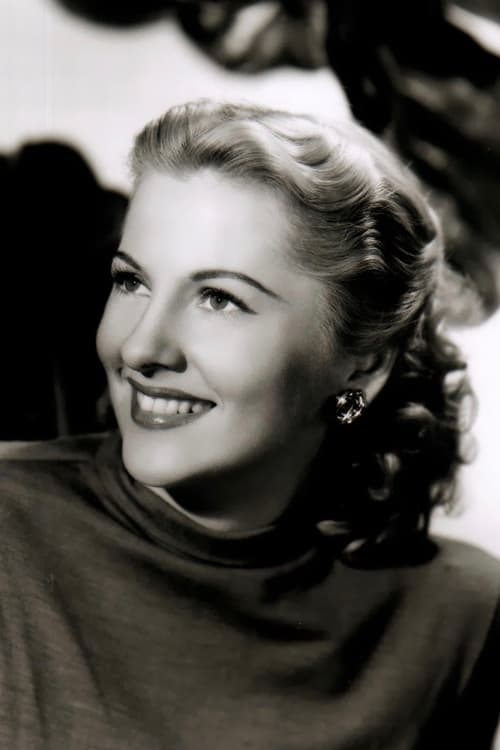
Joan de Beauvoir de Havilland (October 22, 1917 – December 15, 2013), known professionally as Joan Fontaine, was an English-American actress who is best known for her starring roles in Hollywood films during the "Golden Age". She was born in Tokyo, Japan, in what was known as the International Settlement. Her father was a British patent attorney with a lucrative practice in Japan, but due to Joan and older sister Olivia de Havilland's recurring ailments the family moved to California in the hopes of improving their health. Mrs. de Havilland and the two girls settled in Saratoga while their father went back to his practice in Japan. Joan's parents did not get along well and divorced soon afterward. Mrs. de Havilland had a desire to be an actress but her dreams were curtailed when she married, but now she hoped to pass on her dream to Olivia and Joan. While Olivia pursued a stage career, Joan went back to Tokyo, where she attended the American School. In 1934 she came back to California, where her sister was already making a name for herself on the stage. Joan likewise joined a theater group in San Jose and then Los Angeles to try her luck there. After moving to L.A., Joan adopted the name of Joan Burfield because she didn't want to infringe upon Olivia, who was using the family surname. She tested at MGM and gained a small role in No More Ladies (1935), but she was scarcely noticed and Joan was idle for a year and a half. During this time she roomed with Olivia, who was having much more success in films. In 1937, this time calling herself Joan Fontaine, she landed a better role as Trudy Olson in You Can't Beat Love (1937) and then an uncredited part in Quality Street (1937). Although the next two years saw her in better roles, she still yearned for something better. In 1940 she garnered her first Academy Award nomination for Rebecca (1940). Although she thought she should have won, (she lost out to Ginger Rogers in Kitty Foyle (1940)), she was now an established member of the Hollywood set. She would again be Oscar-nominated for her role as Lina McLaidlaw Aysgarth in Suspicion (1941), and this time she won. Joan was making one film a year but choosing her roles well. In 1942 she starred in the well-received This Above All (1942). The following year she appeared in The Constant Nymph (1943). Once again she was nominated for the Oscar, she lost out to Jennifer Jones in The Song of Bernadette (1943). By now it was safe to say she was more famous than her older sister and more fine films followed. In 1948, she accepted second billing to Bing Crosby in The Emperor Waltz (1948). Joan took the year of 1949 off before coming back in 1950 with September Affair (1950) and Born to Be Bad (1950). In 1951 she starred in Paramount's Darling, How Could You! (1951), which turned out badly for both her and the studio and more weak productions followed. Absent from the big screen for a while, she took parts in television and dinner theaters. She also starred in many well-produced Broadway plays such as Forty Carats and The Lion in Winter. Her last appearance on the big screen was The Witches (1966) and her final appearance before the cameras was Good King Wenceslas (1994). She is, without a doubt, a lasting movie icon.
Joan Fontaine, de nom Joan de Beauvoir de Havilland (Tòquio, Japó, 22 d'octubre de 1917 - Carmel-by-the-Sea, Califòrnia, Estats Units, 15 de desembre de 2013) va ser una actriu britànica, naturalitzada estatunidenca l'abril de 1943. Era la germana petita de la també actriu Olivia de Havilland, amb qui es duia quinze mesos i amb la qual va estar gran part de la seva vida en conflicte gairebé permanent. Joan comença als escenaris amb la producció a la costa oest de Call It A Day el 1935 i va signar aviat un contracte amb la RKO Pictures. Consagrada estrella gràcies a les dues pel·lícules de Hitchcock, la bonica rossa enllaça els èxits en els anys 1940, destacant en els melodrames romàntics.
Joan Fontaine (* 22. Oktober 1917 in Tokio; † 15. Dezember 2013 in Carmel-by-the-Sea, Kalifornien; eigentlich Joan de Beauvoir de Havilland) war eine britische Schauspielerin mit US-amerikanischer Staatsbürgerschaft. Ihre bekanntesten Rollen spielte die Schwester von Olivia de Havilland unter der Regie von Alfred Hitchcock in Rebecca und Verdacht. Für letztere wurde sie auf der Oscarverleihung 1942 mit dem Oscar als beste Hauptdarstellerin ausgezeichnet.
Joan de Beauvoir de Havilland (22 octobre 1917 – 15 décembre 2013), connue professionnellement sous le nom de Joan Fontaine, était une actrice anglo-américaine célèbre pour ses rôles principaux dans les films hollywoodiens de l'âge d'or du cinéma. Elle est née à Tokyo, au Japon, dans ce qui était alors la Concession internationale. Son père était un avocat britannique spécialisé dans les brevets, qui prospérait au Japon. Cependant, en raison des problèmes de santé récurrents de Joan et de sa sœur aînée, Olivia de Havilland, la famille déménagea en Californie dans l'espoir d'améliorer leur état de santé. Mme de Havilland et ses deux filles s'installèrent à Saratoga, tandis que leur père retourna au Japon pour exercer son métier. Les parents de Joan ne s'entendaient pas et divorcèrent peu après. Mme de Havilland rêvait d'être actrice, mais ses espoirs furent contrariés par son mariage. Elle espérait désormais transmettre son rêve à Olivia et Joan. Tandis qu'Olivia poursuivait une carrière au théâtre, Joan retourna à Tokyo, où elle fréquenta l'American School. En 1934, elle retourna en Californie, où sa sœur s'était déjà fait un nom sur les planches. Joan rejoignit elle aussi une troupe de théâtre à San José, puis à Los Angeles pour tenter sa chance. Après son installation à Los Angeles, elle adopta le nom de Joan Burfield afin de ne pas empiéter sur le nom de famille d'Olivia, qui l'utilisait déjà. Elle passa des essais à la MGM et obtint un petit rôle dans « No More Ladies » (1935), mais elle passa inaperçue et resta sans emploi pendant un an et demi. Durant cette période, elle partagea un appartement avec Olivia, qui connaissait un succès bien plus important au cinéma. En 1937, sous le nom de Joan Fontaine, elle décrocha un meilleur rôle, celui de Trudy Olson dans « You Can't Beat Love » (1937), puis un rôle non crédité dans « Quality Street » (1937). Bien que les deux années suivantes lui aient offert de meilleurs rôles, elle aspirait toujours à une plus grande reconnaissance. En 1940, elle obtint sa première nomination aux Oscars pour « Rebecca » (1940). Bien qu'elle pensât mériter la statuette (elle s'inclina face à Ginger Rogers pour son rôle dans Kitty Foyle (1940)), elle était désormais une figure incontournable d'Hollywood. Elle fut de nouveau nommée aux Oscars pour son interprétation de Lina McLaidlaw Aysgarth dans Suspicion (1941), et cette fois, elle remporta la statuette. Joan tournait un film par an, mais choisissait ses rôles avec soin. En 1942, elle tint le rôle principal dans le film This Above All (1942), qui reçut un accueil chaleureux. L'année suivante, elle apparut dans The Constant Nymph (1943). Une fois de plus nommée aux Oscars, elle s'inclina face à Jennifer Jones pour The Song of Bernadette (1943). À ce stade, on pouvait affirmer sans risque qu'elle était plus célèbre que sa sœur aînée, et d'autres films remarquables suivirent. En 1948, elle accepta le second rôle aux côtés de Bing Crosby dans The Emperor Waltz (1948). Joan s'accorda une année sabbatique en 1949 avant de revenir en 1950 avec « September Affair » et « Born to Be Bad ». En 1951, elle tint le rôle principal dans « Darling, How Could You!» de Paramount, un échec commercial et professionnel, suivi d'autres productions peu réussies.
Joan Fontaine, nome artístico de Joan de Beauvoir de Havilland (Tóquio, 22 de outubro de 1917 — Carmel Highlands, 15 de dezembro de 2013), foi uma atriz britânico-estadunidense, nascida no Japão. Foi a única intérprete que conseguiu levar um Oscar de atuação - melhor atriz principal - por um filme do diretor Alfred Hitchcock, o chamado mestre do suspense, que a dirigiu em Rebecca (1940) e Suspicion (1941), tendo sido este último o que lhe rendeu o prêmio. Filha mais nova da também atriz Lillian Fontaine, sua irmã mais velha, Olivia de Havilland, tornou-se, tal como a própria Joan se tornaria logo em seguida, uma das mais admiradas estrelas do cinema - ambas são, até os dias de hoje, as únicas irmãs a vencerem um Oscar da Academia de Artes e Ciências Cinematográficas nas categorias de atuação. Em 1999, foi nomeada umas das 500 mais importantes estrelas do cinema americano segundo o American Film Institute. Por sua contribuição à indústria do cinema, Fontaine possui uma estrela na Calçada da Fama de Hollywood, localizada no número 1645 da Vine Street. Em 26 de maio de 1942 ela deixou o seu autógrafo e a marca de suas mãos e de seus pés na Calçada da Fama, em frente ao Grauman's Chinese Theatre.
琼·德·波伏娃·德·哈维兰(1917 年 10 月 22 日 - 2013 年 12 月 15 日),专业名称为琼·方丹,是一位英裔美国女演员,以在“黄金时代”主演好莱坞电影而闻名。她出生在日本东京,也就是所谓的国际租界。她的父亲是一名英国专利律师,在日本从事有利可图的业务,但由于琼和姐姐奥利维亚·德·哈维兰(Olivia de Havilland)反复发作的疾病,全家搬到了加利福尼亚,希望能改善他们的健康状况。德·哈维兰夫人和两个女儿定居在萨拉托加,而她们的父亲则回到日本的诊所。琼的父母相处得并不融洽,不久后就离婚了。德·哈维兰夫人曾渴望成为一名演员,但当她结婚时,她的梦想被限制了,但现在她希望将她的梦想传递给奥利维亚和琼。 当奥利维亚追求舞台事业时,琼回到了东京,在那里她就读于美国学校。1934年,她回到加利福尼亚,在那里她的姐姐已经在舞台上声名鹊起。琼同样加入了圣何塞的一个戏剧团体,然后加入了洛杉矶,在那里碰碰运气。搬到洛杉矶后,琼采用了琼·伯菲尔德的名字,因为她不想侵犯使用家族姓氏的奥利维亚。她在米高梅进行了测试,并在《不再有女士》(1935 年)中获得了一个小角色,但她几乎没有被注意到,琼闲置了一年半。在这段时间里,她和奥利维亚住在一起,奥利维亚在电影中取得了更大的成功。 1937 年,这次她称自己为琼·方丹,她在《你不能打败爱》(1937 年)中扮演特鲁迪·奥尔森 (Trudy Olson) 一个更好的角色,然后在《质量街》(1937 年)中扮演了一个不知名的角色。尽管在接下来的两年里,她扮演了更好的角色,但她仍然渴望更好的角色。1940年,她凭借《丽贝卡》(1940)获得了她的第一个奥斯卡金像奖提名。尽管她认为自己应该赢(她在《基蒂·福伊尔》(1940)中输给了金杰·罗杰斯),但她现在是好莱坞片场的老牌成员。她因在《怀疑》(1941 年)中饰演莉娜·麦克莱德劳·艾斯加斯而再次获得奥斯卡提名,这次她赢了。 琼每年只拍一部电影,但她的角色选择得很好。1942 年,她出演了广受好评的《这高于一切》(1942 年)。次年,她出演了《永恒的仙女》(1943)。她再次获得奥斯卡提名,但在《伯纳黛特之歌》(1943)中输给了詹妮弗·琼斯。到现在为止,可以肯定地说她比她的姐姐更出名,更多的好电影接踵而至。1948年,她在《皇帝华尔兹》(1948)中接受了宾·克罗斯比的第二次开票。 琼在 1949 年休假,然后在 1950 年带着 September Affair (1950) 和 Born to Be Bad (1950) 回归。1951年,她出演了派拉蒙的《亲爱的,你怎么可能!(1951 年),这对她和工作室来说都很糟糕,随之而来的是更薄弱的作品。有一段时间没有出现在大银幕上,她参加了电视和晚宴剧院。她还出演了许多制作精良的百老汇戏剧,如《四十克拉》和《冬天的狮子》。她最后一次出现在大银幕上是《女巫》(1966 年),最后一次出现在镜头前是《好国王瓦茨拉夫》(1994 年)。毫无疑问,她是一个不朽的电影偶像。
瓊·德·波伏娃·德·哈維蘭(1917 年 10 月 22 日 - 2013 年 12 月 15 日),專業名稱為瓊·方丹,是一位英裔美國女演員,以在“黃金時代”主演好萊塢電影而聞名。她出生在日本東京,也就是所謂的國際租界。她的父親是一名英國專利律師,在日本從事有利可圖的業務,但由於瓊和姐姐奧利維亞·德·哈維蘭(Olivia de Havilland)反覆發作的疾病,全家搬到了加利福尼亞,希望能改善他們的健康狀況。德·哈維蘭夫人和兩個女兒定居在薩拉託加,而她們的父親則回到日本的診所。瓊的父母相處得並不融洽,不久後就離婚了。德·哈維蘭夫人曾渴望成為一名演員,但當她結婚時,她的夢想被限制了,但現在她希望將她的夢想傳遞給奧利維亞和瓊。 當奧利維亞追求舞台事業時,瓊回到了東京,在那裏她就讀於美國學校。1934 年,她回到加利福尼亞,在那裏她的姐姐已經在舞台上聲名鵲起。瓊同樣加入了聖何塞的一個戲劇團體,然後加入了洛杉磯,在那裏碰碰運氣。搬到洛杉磯後,瓊採用了瓊·伯菲爾德的名字,因為她不想侵犯使用家族姓氏的奧利維亞。她在米高梅進行了測試,並在《不再有女士》(1935 年)中獲得了一個小角色,但她幾乎沒有被注意到,瓊閒置了一年半。在這段時間裏,她和奧利維亞住在一起,奧利維亞在電影中取得了更大的成功。 1937 年,這次她稱自己為瓊·方丹,她在《你不能打敗愛》(1937 年)中扮演特魯迪·奧爾森 (Trudy Olson) 一個更好的角色,然後在《質量街》(1937 年)中扮演了一個不知名的角色。儘管在接下來的兩年裏,她扮演了更好的角色,但她仍然渴望更好的角色。1940 年,她憑藉《麗貝卡》(1940)獲得了她的第一個奧斯卡金像獎提名。儘管她認為自己應該贏(她在《基蒂·福伊爾》(1940)中輸給了金傑·羅傑斯),但她現在是好萊塢片場的老牌成員。她因在《懷疑》(1941 年)中飾演莉娜·麥克萊德勞·艾斯加斯而再次獲得奧斯卡提名,這次她贏了。 瓊每年只拍一部電影,但她的角色選擇得很好。1942 年,她出演了廣受好評的《這高於一切》(1942 年)。次年,她出演了《永恆的仙女》(1943)。她再次獲得奧斯卡提名,但在《伯納黛特之歌》(1943)中輸給了詹妮弗·瓊斯。到現在為止,可以肯定地説她比她的姐姐更出名,更多的好電影接踵而至。1948 年,她在《皇帝華爾茲》(1948)中接受了賓·克羅斯比的第二次開票。 瓊在 1949 年休假,然後在 1950 年帶著 September Affair (1950) 和 Born to Be Bad (1950) 迴歸。1951 年,她出演了派拉蒙的《親愛的,你怎麼可能!(1951 年),這對她和工作室來説都很糟糕,隨之而來的是更薄弱的作品。有一段時間沒有出現在大銀幕上,她參加了電視和晚宴劇院。她還出演了許多製作精良的百老匯戲劇,如《四十克拉》和《冬天的獅子》。她最後一次出現在大銀幕上是《怪誕黑巫後》(1966 年),最後一次出現在鏡頭前是《好國王瓦茨拉夫》(1994 年)。毫無疑問,她是一個不朽的電影偶像。
Acting (49)