Shūsaku Endō
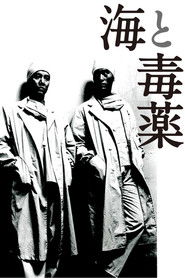
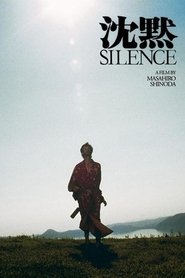
Endō Shūsaku, (born March 27, 1923, Tokyo, Japan—died Sept. 29, 1996, Tokyo), Japanese novelist noted for his examination of the relationship between East and West through a Christian perspective. Endō became a Roman Catholic at age 11 with the encouragement of his mother and an aunt. At Keio University he majored in French literature (B.A., 1949), a subject he studied from 1950 to 1953 at the University of Lyon in France. His first collections of fiction, Shiroi hito and Kiiroi hito (both 1955; “White Man” and “Yellow Man”), indicate the direction of most of his later fiction: they contrast Japanese and Western experience and perspectives. In Umi to dokuyaku (1957; The Sea and Poison), he examines the Japanese sense of morality in a war story about Japanese doctors performing a vivisection on a downed American pilot. One of Endō’s most powerful novels, Chimmoku (1966; Silence), is a fictionalized account of Portuguese priests who traveled to Japan and the subsequent slaughter of their Japanese converts. This novel and Samurai (1980; The Samurai)—a fascinating account of a samurai’s journey on behalf of his shogun to open trade with Mexico, Spain, and Rome—are considered his best writing, showing the complexities of the interactions between cultures as well as presenting a supple and well-told narrative. Endō’s other extended fiction includes Kazan (1959; Volcano), Kuchibue o fuku toki (1974; When I Whistle), Sukyandaru (1986; Scandal), and a number of comic novels. He also wrote short stories, drama, essays, and a biography.
Shūsaku Endō (遠藤 周作, Endō Shūsaku), né le 27 mars 1923 à Tokyo (Japon) et mort dans la même ville le 29 septembre 1996 d'une hépatite, est un écrivain japonais, connu pour avoir écrit sur sa foi catholique. Avec Junnosuke Yoshiyuki, Shōtarō Yasuoka, Junzō Shōno, Hiroyuki Agawa, Ayako Sono et Shumon Miura, Endō est catégorisé comme un « écrivain de la troisième génération », le troisième groupe d'écrivains majeurs apparus après la Seconde Guerre mondiale.
远藤周作(1923年3月27日生于日本东京,1996年9月29日卒于东京),日本小说家,以其通过基督教视角审视东西方关系而闻名。 在母亲和姨母的鼓励下,远藤11岁时皈依罗马天主教。他在庆应义塾大学主修法国文学(1949年获学士学位),并于1950年至1953年间在法国里昂大学深造该专业。他的早期小说集《白人》(1955年)与《黄人》(1955年)奠定了其创作基调:通过对比日本与西方的经历及视角展开叙事。在《海与毒药》(1957年)中,他以战争故事为背景,通过描写日本医生对美军飞行员进行活体解剖的事件,深刻剖析了日本人的道德观念。其代表作《沉默》(1966年)以葡萄牙传教士赴日传教及其日本信徒遭屠杀的历史为蓝本进行艺术重构;另一力作《武士》(1980年)则生动描绘了武士奉命远赴墨西哥、西班牙与罗马开拓贸易的传奇历程。这两部作品被公认为远藤文学巅峰,既展现了文化碰撞的复杂性,又以细腻流畅的叙事手法著称。 远藤的其他长篇小说包括《火山》(1959年)、《吹口哨的时刻》(1974年)、《丑闻》(1986年)及多部幽默小说。此外,他还创作了大量短篇小说、戏剧、散文及传记作品。
遠藤周作(1923 年 3 月 27 日生於日本東京,1996 年 9 月 29 日卒於東京),日本小説家,以其通過基督教視角審視東西方關係而聞名。 在母親和姨母的鼓勵下,遠藤 11 歲時皈依羅馬天主教。他在慶應義塾大學主修法國文學(1949 年獲學士學位),並於 1950 年至 1953 年間在法國里昂大學深造該專業。他的早期小説集《白人》(1955 年)與《黃人》(1955 年)奠定了其創作基調:通過對比日本與西方的經歷及視角展開敘事。在《海與毒藥》(1957 年)中,他以戰爭故事為背景,通過描寫日本醫生對美軍飛行員進行活體解剖的事件,深刻剖析了日本人的道德觀念。其代表作《沉默》(1966 年)以葡萄牙傳教士赴日傳教及其日本信徒遭屠殺的歷史為藍本進行藝術重構;另一力作《武士》(1980 年)則生動描繪了武士奉命遠赴墨西哥、西班牙與羅馬開拓貿易的傳奇歷程。這兩部作品被公認為遠藤文學巔峯,既展現了文化碰撞的復雜性,又以細膩流暢的敘事手法著稱。 遠藤的其他長篇小説包括《火山》(1959 年)、《吹口哨的時刻》(1974 年)、《挑情寶鑑》(1986 年)及多部幽默小説。此外,他還創作了大量短篇小説、戲劇、散文及傳記作品。
Crew (11)