Dwight Frye
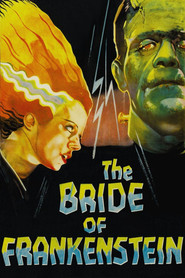
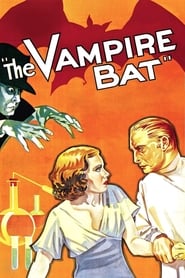
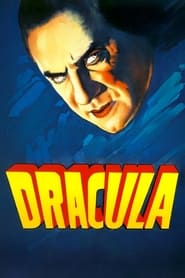
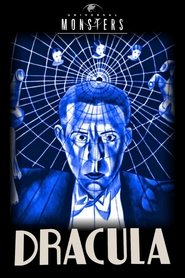
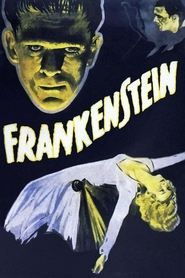
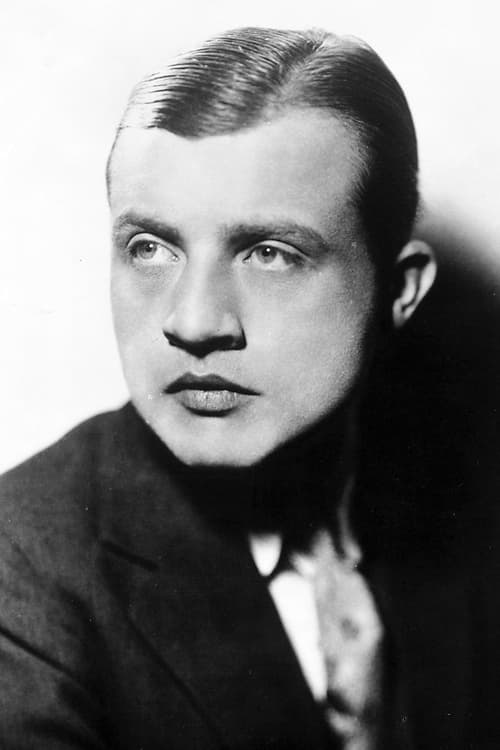
From Wikipedia, the free encyclopedia. Dwight Iliff Frye (February 22, 1899 – November 7, 1943) was an American stage and screen actor, noted for his appearances in the classic horror films Dracula, Frankenstein and Bride of Frankenstein. Frye was born in Salina, Kansas. Nicknamed "The Man with the Thousand-Watt Stare," and "The Man of a Thousand Deaths," he specialized in the portrayal of mentally unbalanced characters, including his signature role, the madman Renfield in Tod Browning's 1931 version of Dracula. Later that same year he also played the hunchbacked assistant in the film Frankenstein. (This character, named Fritz, is often mistakenly referred to as Ygor, a character originated by Béla Lugosi in the later film Son of Frankenstein.) Frye had a prominent role in the 1933 horror film The Vampire Bat, starring Lionel Atwill, Melvyn Douglas, and Fay Wray, in which he played Herman, a half-wit suspected of being a killer. He also had a memorable role in the classic Bride of Frankenstein, in which he played Karl. The part of Karl was originally much longer and many extra scenes of Frye were shot as a sub plot but were edited out of the final version to shorten the running time as well as to appease the censor boards. The most memorable of these "cut scenes" was that of Karl killing the Burgomaster portrayed by E. E. Clive. No known prints of these scenes survive today, but photographs of the scene were used to illustrate the scene's synopsis and are included in the recent Universal DVD release of the film. During the early 1940s, Frye alternated between film roles and appearing on stage in a variety of productions ranging from comedies to musicals, as well as appearing in a stage version of Dracula. In 1924 he played the Son in a translation of Luigi Pirandello's Six Characters in Search of an Author.[1] There was a Dwight Frye Fan Club at one time,[2] but it is currently dormant. He also made a contribution to the war effort by working nights as a tool designer for Lockheed Aircraft. Frye's strong resemblance to former Secretary of War Newton D. Baker helped land him what would have been a substantial role in the biographical film Wilson, based on the life of U.S. President Woodrow Wilson, but he died of a heart attack while riding on a bus in Hollywood a few days before filming was to have begun. Frye was interred in Glendale's Forest Lawn Memorial Park Cemetery. Description above from the Wikipedia article Dwight Frye, licensed under CC-BY-SA, full list of contributors on Wikipedia
Dwight Iliff Fry, conegut com Dwight Frye (Salina, Kansas, 22 de febrer de 1899 – Hollywood, Los Angeles, 7 de novembre de 1943), va ser un actor de personatges de teatre i cinema nord-americà. És conegut sobretot per les seves representacions de malvats neuròtics i assassins a diverses pel·lícules clàssiques de terror d'Universal, com Renfield a "Dràcula" (1931) i Fritz a "Frankenstein" (1931).
Dwight Iliff Frye war ein US-amerikanischer Bühnen- und Filmschauspieler, bekannt für seine Rollen in den Horrorfilmklassikern „Dracula“, „Frankenstein“ und „Frankensteins Braut“. Frye trug die Spitznamen „Der Mann mit dem tausend-Watt-Blick“ und „Der Mann der tausend Tode“ und spezialisierte sich auf die Darstellung psychisch labiler Charaktere. Seine Paraderolle war der Wahnsinnige Renfield in Tod Brownings „Dracula“-Verfilmung von 1931. Im selben Jahr spielte er auch den buckligen Gehilfen in „Frankenstein“. (Diese Figur namens Fritz wird oft fälschlicherweise als Ygor bezeichnet, eine Figur, die später von Béla Lugosi in dem Film „Frankensteins Sohn“ verkörpert wurde.) Frye spielte eine wichtige Rolle in dem Horrorfilm „Die Vampirfledermaus“ von 1933 mit Lionel Atwill, Melvyn Douglas und Fay Wray. Er verkörperte Herman, einen etwas einfältigen Mann, der des Mordes verdächtigt wird. Auch in dem Klassiker „Frankensteins Braut“ hatte er eine unvergessliche Rolle als Karl. Die Rolle des Karl war ursprünglich viel umfangreicher, und es wurden zahlreiche zusätzliche Szenen mit Frye als Nebenhandlung gedreht. Diese wurden jedoch aus der Endfassung herausgeschnitten, um die Laufzeit zu verkürzen und die Zensurbehörden zufriedenzustellen. Die einprägsamste dieser „geschnittenen Szenen“ war die, in der Karl den von E. E. Clive dargestellten Bürgermeister tötet. Von diesen Szenen sind keine Kopien mehr erhalten, aber Fotografien der Szene wurden zur Illustration der Inhaltsangabe verwendet und sind in der aktuellen Universal-DVD-Veröffentlichung des Films enthalten.
Acting (42)