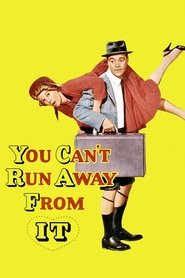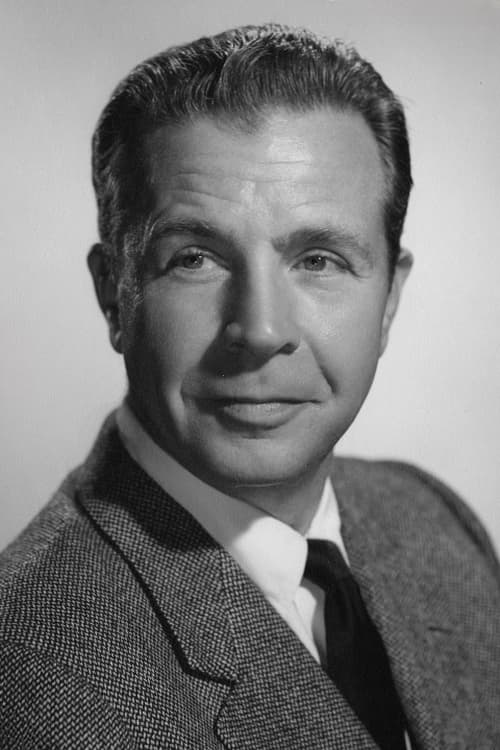
Dick Powell
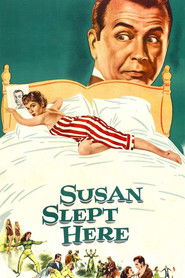
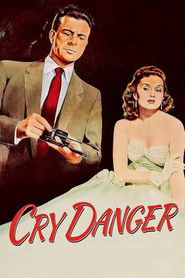
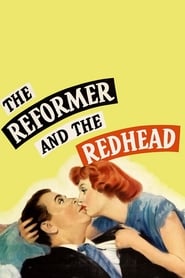
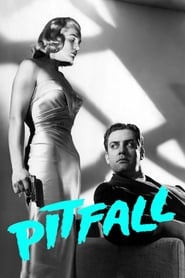
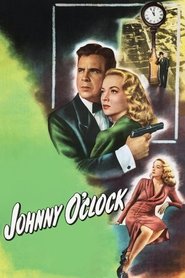
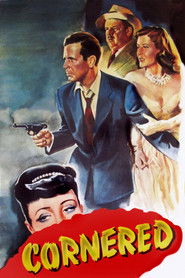
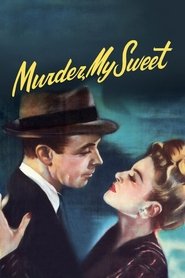
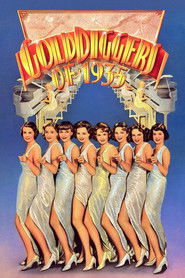
Richard Ewing "Dick" Powell (November 14, 1904 – January 2, 1963) was an American singer, actor, producer, director and studio boss. Born in Mountain View, the seat of Stone County in northern Arkansas, Powell attended the former Little Rock College in the state capital, before he started his entertainment career as a singer with the Charlie Davis Orchestra, based in the midwest. He recorded a number of records with Davis and on his own, for the Vocalion label in the late 1920s. Powell moved to Pittsburgh, where he found great local success as the Master of Ceremonies at the Enright Theater and the Stanley Theater. In April 1930, Warner Bros. bought up Brunswick Records which at that time owned Vocalion. Warner Bros. was sufficiently impressed by Powell's singing and stage presence to offer him a film contract in 1932. He made his film debut as a singing bandleader in Blessed Event. He went on to star as a boyish crooner in movie musicals such as 42nd Street, Footlight Parade, Gold Diggers of 1933, Dames, Flirtation Walk, and On the Avenue, often appearing opposite Ruby Keeler and Joan Blondell. Powell desperately wanted to expand his range but Warner Bros. wouldn't allow him to do so, although they did (mis)cast him in A Midsummer Night's Dream (1935) as Lysander. This was to be Powell's only Shakespearean role and one he did not want to play, feeling that he was completely wrong for the part. Finally, reaching his forties and knowing that his young romantic leading man days were behind him he lobbied to play the lead in Double Indemnity. He lost out to Fred MacMurray, another Hollywood nice guy. MacMurray’s success, however, fueled Powell’s resolve to pursue projects with greater range and in 1944, he was cast in the first of a series of films noir, as private detective Philip Marlowe in Murder, My Sweet, directed by Edward Dmytryk. The film was a big hit and Powell had successfully reinvented himself as a dramatic actor. The following year Dmytryk and Powell re-teamed to make Cornered, a gripping, post-WWII thriller that helped define the film noir style. He became a popular "tough guy" lead appearing in movies such as Johnny O'Clock and Cry Danger. But 1948 saw him step out of the brutish type when he starred in Pitfall, a film noir that sees a bored insurance company worker fall for an innocent but dangerous femme fatale, played by Lizabeth Scott. Even when he appeared in lighter fare such as The Reformer and the Redhead and Susan Slept Here (1954) he never sang in his later roles. The latter, his final onscreen appearance in a feature film, did include a dance number with costar Debbie Reynolds. From 1949-1953, Powell played the lead role in the National Broadcasting Company radio theater production Richard Diamond, Private Detective. His character in the 30-minute weekly was a likable private detective with a quick wit. When Richard Diamond came to television in 1957, the lead role was portrayed by David Janssen.
Richard Ewing "Dick" Powell (Mountain View, Arkansas, 14 de novembre de 1904 – Los Angeles, Califòrnia, 2 de gener de 1963) va ser un cantant, actor, productor, i director cinematogràfic nord-americà.
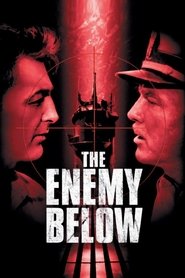
Richard Ewing "Dick" Powell (14 de noviembre de 1904 – 2 de enero de 1963) fue un cantante, actor, productor, y director cinematográfico estadounidense. Nacido en Mountain View, Arkansas, Powell estudió en el Little Rock College (Hoy Universidad de Arkansas en Little Rock), antes de iniciar su carrera como cantante con la Orquesta de Charlie Davis, con sede en el Medio Oeste. Grabó varios discos con Davis y, también por su propia cuenta, con el sello Vocalion Records a finales de los años veinte. Powell emigró a Pittsburg, donde tuvo un gran éxito local como Maestro de Ceremonias en los teatros Enright y Stanley. En abril de 1930, Warner Bros. adquirió Brunswick Records, en ese momento propiedad de Vocalion. En Warner Bros. quedaron impresionados por el canto de Powell y por su aplomo en escena, por lo que le ofrecieron un contrato cinematográfico en 1932. Debutó en el cine como cantante líder de banda en Blessed Event (Grata compañía). Siguió interpretando el papel de joven crooner en musicales tales como 42nd Street (Calle 42), Footlight Parade (Desfile de candilejas), Gold Diggers of 1933 (Vampiresas 1933), Dames (Música y mujeres), Flirtation Walk (La generalita), y On the Avenue, a menudo trabajando junto a Ruby Keeler y Joan Blondell. Powell deseaba a toda costa ampliar su repertorio, pero Warner Bros. se lo impedía. Finalmente, llegados los años cuarenta, y aceptando que sus días de joven romántico quedaban atrás, presionó para interpretar el primer papel en Double Indemnity. Perdió frente a Fred MacMurray, otro apuesto actor de Hollywood. El éxito de MacMurray, sin embargo, alentó la resolución de Powell de conseguir proyectos de mayor envergadura, y en 1944 fue elegido para trabajar en la primera de una serie de películas de cine negro protagonizadas por el detective privado Philip Marlowe. Esta película fue Murder, My Sweet (Historia de un detective), dirigida por Edward Dmytryk. Fue un gran éxito, y Dick Powell consiguió asentarse como actor dramático. Al año siguiente, Dmytryk y Powell se volvieron a reunir para rodar Cornered (Venganza), un apasionante thriller que ayudó a definir el estilo del cine negro. Se hizo popular representando a "tipos duros" en películas tales como Johnny O'Clock y Cry Danger. Aun cuando trabajó con papeles más ligeros en filmes como The Reformer and the Redhead y Susan Slept Here (Las tres noches de Susana), ya nunca volvió a cantar en el cine. Desde 1949 a 1953, Powell tuvo el papel principal del programa radiofónico de la NBC Richard Diamond, Private Detective. Se trataba de un programa semanal de 30 minutos de duración, en el que interpretaba a un simpático detective privado dotado con un gran ingenio. En los años cincuenta, Powell produjo y dirigió varias películas de serie B y fue uno de los fundadores de Four Star Television, actuando y supervisando diversos programas para esa compañía. Su película The Enemy Below (Duelo en el Atlántico) (1957), basada en la novela de Denys Rayner, ganó un Oscar a los mejores efectos visuales.
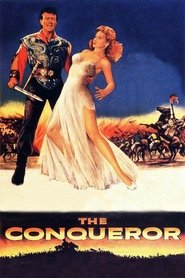
Dick Powell, né le 14 novembre 1904 à Mountain View, Arkansas et mort le 2 janvier 1963 (à 58 ans) à West Los Angeles, Californie est un acteur et un réalisateur américain. Doué pour le chant dès son plus jeune âge, Dick Powell débute dans la chorale de l'église protestante de Mountain View avant de devenir ténor dans plusieurs formations musicales. Repéré par les studios hollywoodiens, Dick Powell débute au cinéma en 1932 dans Blessed event de Roy del Ruth. S'appuyant sur ses qualités de chanteur, l'acteur s'illustre essentiellement dans des comédies musicales dont certaines, comme 42e rue (Lloyd Bacon, 1933), Les Chercheuses d'or (Mervyn LeRoy, 1933), Mademoiselle Général (Frank Borzage, 1934), lui assurent la notoriété. Lassé du genre, il s'essaie avec succès au milieu des années 1940 au film noir avec Murder my sweet (Edward Dmytryk, 1944) où il incarne un détective privé. Fini les rôles de jeunes premiers chantants, l'acteur s'impose dès lors dans des films de gangsters tels Johnny o'clock (Robert Rossen, 1947) et Cry danger (Robert Parrish, 1951). Attiré par la réalisation, il signe en 1953 son premier long métrage, Split second. En dépit de son interprétation remarquée dans Les Ensorcelés (1952), de Vincente Minnelli, Dick Powell abandonne définitivement le métier d'acteur au profit de celui de cinéaste. Il réalise notamment une biographie de Genghis Khan, avec John Wayne, et plusieurs films de guerre, dont Torpilles sous l'Atlantique (1957).
理查德·尤因·"迪克"·鲍威尔(1904年11月14日—1963年1月2日)是美国歌手、演员、制片人、导演兼电影公司负责人。 出生于阿肯色州北部斯通县县城山景城的鲍威尔,在州首府小石城的前小石城学院就读后,以中西部地区的查理·戴维斯乐团歌手身份开启演艺生涯。1920年代末,他与戴维斯合作并为Vocalion厂牌录制了多张唱片,也发行了个人作品。 移居匹兹堡后,他在恩莱特剧院和斯坦利剧院担任司仪大获成功。1930年4月,华纳兄弟收购了当时拥有Vocalion的布伦瑞克唱片公司。华纳兄弟对鲍威尔的歌艺与舞台表现极为赏识,于1932年与他签订电影合约。他在《福星高照》中以歌唱乐队领队身份初登银幕,随后在《第四十二街》《华清春暖》《1933年淘金女郎》《美女》《情歌妙舞》《红楼春怨》等音乐片中塑造了一系列少年感的柔情歌手形象,常与鲁比·基勒、琼·布朗德尔搭档演出。 鲍威尔极力渴望拓宽戏路,但华纳兄弟始终不予支持——尽管1935年曾(失策地)让他在《仲夏夜之梦》中饰演莱桑德。这成为鲍威尔唯一且抗拒的莎士比亚角色,他自觉完全不适合此角。年届不惑之际,意识到青春偶像路线难以为继的他,曾积极争取《双重赔偿》主演之位,却惜败于另一位好莱坞"好好先生"弗雷德·麦克默里。麦克默里的成功反而坚定了鲍威尔转型的决心。1944年,他在爱德华·迪麦特雷克执导的黑色电影《爱人谋杀》中首度出演侦探菲利普·马洛,该片大获成功,标志着他已成功转型为实力派演员。 次年,迪麦特雷克与鲍威尔再度合作《追击》,这部扣人心弦的二战后惊悚片进一步奠定了黑色电影风格。此后他在《漩涡》《危险尖叫》等片中塑造的"硬汉"形象广受欢迎。但1948年《陷阱》展现了他突破粗犷戏路的能力,片中他饰演的保险公司职员被丽萨贝丝·斯科特诠释的纯真又危险的蛇蝎美人所吸引。即便在《改革家与红发女》《苏珊艳史》(1954年)等轻松题材作品中,他后期角色也再未开腔献唱。后者作为他最后一部故事片,仍与搭档黛比·雷诺斯呈现了一段精彩舞曲。 1949至1953年间,鲍威尔在美国国家广播公司广播剧场制作的《私家侦探理查德·戴蒙德》中担纲主演。这个每周播出30分钟的角色是位机智风趣、讨人喜爱的私家侦探。1957年该剧改编为电视剧时,主角已由大卫·詹森接棒出演。
理查德·尤因·"迪克"·鮑威爾(1904 年 11 月 14 日 — 1963 年 1 月 2 日)是美國歌手、演員、制片人、導演兼電影公司負責人。 出生於阿肯色州北部斯通縣縣城山景城的鮑威爾,在州首府小石城的前小石城學院就讀後,以中西部地區的查理·戴維斯樂團歌手身份開啓演藝生涯。1920 年代末,他與戴維斯合作並為 Vocalion 廠牌錄制了多張唱片,也發行了個人作品。 移居匹茲堡後,他在恩萊特劇院和斯坦利劇院擔任司儀大獲成功。1930 年 4 月,華納兄弟收購了當時擁有 Vocalion 的布倫瑞克唱片公司。華納兄弟對鮑威爾的歌藝與舞台表現極為賞識,於 1932 年與他簽訂電影合約。他在《福星高照》中以歌唱樂隊領隊身份初登銀幕,隨後在《第四十二街》《華清春暖》《1933 年淘金女郎》《美女》《情歌妙舞》《紅樓春怨》等音樂片中塑造了一系列少年感的柔情歌手形象,常與魯比·基勒、瓊·布朗德爾搭檔演出。 鮑威爾極力渴望拓寬戲路,但華納兄弟始終不予支持——盡管 1935 年曾(失策地)讓他在《仲夏夜之夢》中飾演萊桑德。這成為鮑威爾唯一且抗拒的莎士比亞角色,他自覺完全不適合此角。年屆不惑之際,意識到青春偶像路線難以為繼的他,曾積極爭取《雙重賠償》主演之位,卻惜敗於另一位好萊塢"好好先生"弗雷德·麥克默裏。麥克默裏的成功反而堅定了鮑威爾轉型的決心。1944 年,他在愛德華·迪麥特雷克執導的黑色電影《愛人謀殺》中首度出演偵探菲利普·馬洛,該片大獲成功,標志着他已成功轉型為實力派演員。 次年,迪麥特雷克與鮑威爾再度合作《追擊》,這部扣人心絃的二戰後驚悚片進一步奠定了黑色電影風格。此後他在《漩渦》《危險尖叫》等片中塑造的"硬漢"形象廣受歡迎。但 1948 年《陷阱》展現了他突破粗獷戲路的能力,片中他飾演的保險公司職員被麗薩貝絲·斯科特詮釋的純真又危險的蛇蠍美人所吸引。即便在《改革家與紅發女》《蘇珊艷史》(1954 年)等輕松題材作品中,他後期角色也再未開腔獻唱。後者作為他最後一部故事片,仍與搭檔黛比·雷諾斯呈現了一段精彩舞曲。 1949 至 1953 年間,鮑威爾在美國國家廣播公司廣播劇場制作的《私家偵探理查德·戴蒙德》中擔綱主演。這個每週播出 30 分鐘的角色是位機智風趣、討人喜愛的私家偵探。1957 年該劇改編為電視劇時,主角已由大衞·詹森接棒出演。
Acting (84)






… and 24 more