Fatoumata Diawara
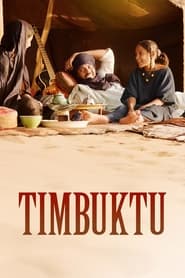
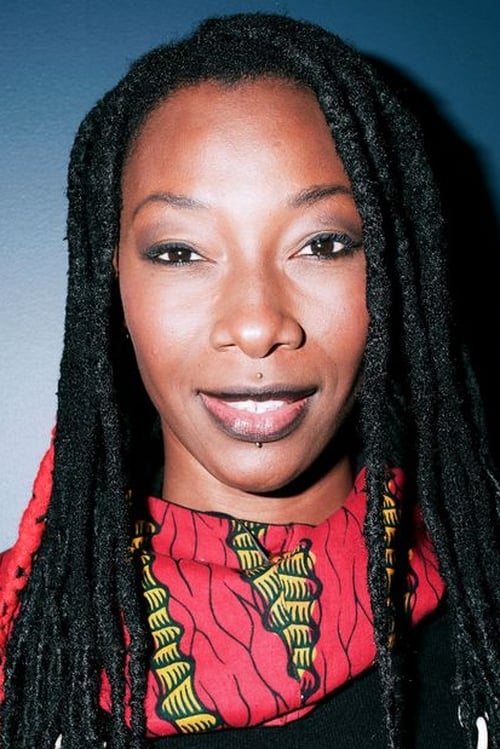
Born in 19822, Fatoumata Diawara spent her early years in Abidjan in a large family. Her mother is a dancer. His father runs an association of traditional shows. He introduced her to dance and the guitar. At the age of 9, after the sudden death of an older sister, she was adopted by her actress aunt who lives in Mali. In 1997, Fatoumata Diawara was spotted by the filmmaker Cheick Oumar Sissoko who hired her in the film La Genèse (prize "Un certain regard" at the Cannes Film Festival in 1999) in order to interpret the leading female role. In 1998, she left for France to work at the Théâtre des Bouffes du Nord on Jean-Louis Sagot-Duvauroux's adaptation of the play Antigone. She appeared in several feature films including Sìa: Le Rêve du python2 (Special Jury Prize at Fespaco in 2001). In 2002, she fled a forced marriage with her cousin to join the Royal luxury company and spent six years in the troupe1. According to Jean-Luc Courcoult, "She could sing a little, she could not play well, but I was looking for a temperament, something else". In November 2006, she was chosen to play the leading female role of the Opéra du Sahel, in Bamako. It was then that she was noticed by Cheick Tidiane Seck. She participated in the recording of Dee Dee Bridgewater's album. During this same period, she met Oumou Sangaré who asked her to record her album Seya. Fatoumata Diawara then decides to embark on the adventure of music and begins to work on her own repertoire. She also continues her experiences in the cinema, playing in particular in the film It's going to rain on Conakry by the Guinean director Cheick Fantamady Camara, where she plays the role of a young singer. In 2007, she played the role of Karaba in the musical Kirikou and Karaba, taken from the cartoon Kirikou and the witch by Michel Ocelot. At the same time, she is working on the disc of the musical. Cheick Tidiane Seck then offers him to record on his own Sabaly album. She has the opportunity to sing with Herbie Hancock (The Imagine project, Grammy Award in 20114) or Hank Jones. At the same time, she recorded on various discs. She is committed against excision in her region of origin in Mali. In 2012, she managed the production of a music video against the occupation of the north of the country by jihadists, which led her to play in Timbuktu, a multi-Caesarized film in 2015. In 2017, Fatoumata Diawara contributed to Matthieu Chedid's Malian project "Lamomali". In 2018, she released her second solo album Fenfo, produced by Matthieu Chedid. Damon Albarn and Jamie Hewlett invite the Malian singer on a new excerpt from their collaborative series Song Machine in 2020 and feature her in the music video and song Sorry by the group Gorillaz. In 2022, she plays in an opera by Damon Albarn and Abderrahmane Sissako, entitled Le Vol de Boli and dedicated to the theft of a Malian animist fetish by a French ethnologist and art critic, Michel Leiris, for the Musée de l'Homme . In one of his texts, The Phantom Africa, Michel Leiris expresses his shame at having stolen this fetish. But it remained in France and is now on display at the Musée du Quai Branly.
Née en 1982, Fatoumata Diawara passe ses premières années à Abidjan dans une famille nombreuse. Sa mère est danseuse. Son père dirige une association de spectacles traditionnels. Il l'initie à la danse et à la guitare. À l'âge de 9 ans, après la mort brutale d'une sœur plus âgée, elle est adoptée par sa tante comédienne qui vit au Mali1. En 1997, Fatoumata Diawara est repérée par le cinéaste Cheick Oumar Sissoko qui l’engage dans le film La Genèse (prix « Un certain regard » au festival de Cannes en 1999) afin d’interpréter le premier rôle féminin. En 1998, elle part en France afin de travailler au Théâtre des Bouffes du Nord sur l’adaptation de Jean-Louis Sagot-Duvauroux de la pièce Antigone. Elle tourne dans plusieurs longs-métrages dont Sìa : Le Rêve du python (Prix spécial du Jury au Fespaco en 2001). En 2002, elle fuit un mariage forcé avec son cousin pour rejoindre la compagnie Royal de luxe et tourne six ans au sein de la troupe1. Selon Jean-Luc Courcoult, « Elle savait un peu chanter, elle ne savait pas bien jouer, mais je cherchais un tempérament, autre chose ». En novembre 2006, elle est choisie pour interpréter le premier rôle féminin de l’Opéra du Sahel, à Bamako. C’est à ce moment qu’elle est remarquée par Cheick Tidiane Seck. Elle participe à l'enregistrement de l’album de Dee Dee Bridgewater. Dans cette même période, elle rencontre Oumou Sangaré qui la sollicite pour l’enregistrement de son album Seya. Fatoumata Diawara décide alors de se lancer dans l’aventure de la musique et commence à travailler à son propre répertoire. Elle poursuit également ses expériences au cinéma, en jouant notamment dans le film Il va pleuvoir sur Conakry du réalisateur guinéen Cheick Fantamady Camara, où elle interprète le rôle d'une jeune chanteuse. En 2007, elle tient le rôle de Karaba dans la comédie musicale Kirikou et Karaba, tirée du dessin animé Kirikou et la sorcière de Michel Ocelot1. En parallèle, elle travaille sur le disque de la comédie musicale. Cheick Tidiane Seck lui propose alors d’enregistrer sur son propre album Sabaly. Elle a l’opportunité de chanter avec Herbie Hancock (The Imagine project, Grammy Award en 2011) ou Hank Jones. Parallèlement, elle enregistre sur divers albums (Afrocubism, Cheick Lo, etc.). Elle s'engage contre l'excision dans sa région d'origine au Mali. En 2012, elle gère la réalisation d'une vidéo musicale contre l'occupation du nord du pays par des djihadistes, ce qui l'amène à jouer dans Timbuktu, film multi-césarisé en 2015. En 2017, Fatoumata Diawara contribue au projet malien de Matthieu Chedid "Lamomali". En 2018, elle sort son second album solo Fenfo, produit par Matthieu Chedid. Damon Albarn et Jamie Hewlett invitent la chanteuse malienne sur un nouvel extrait de leur série collaborative Song Machine en 2020 et la mettent en vedette dans le clip et la chanson Désolé du groupe Gorillaz. En 2022, elle joue dans un opéra de Damon Albarn et Abderrahmane Sissako, intitulé Le Vol de Boli et consacré au vol d'un fétiche animiste malien par un ethnologue et critique d'art français, Michel Leiris, pour le Musée de l'Homme. Dans un de ses textes, L’Afrique fantôme, Michel Leiris exprime sa honte d’avoir volé ce fétiche. Mais celui-ci est resté en France et est désormais exposé au Musée du Quai Branly.
Nata nel 19822, Fatoumata Diawara ha trascorso i suoi primi anni ad Abidjan in una famiglia numerosa. Sua madre è una ballerina. Suo padre gestisce un'associazione di spettacoli tradizionali. L'ha introdotta alla danza e alla chitarra. All'età di 9 anni, dopo la morte improvvisa di una sorella maggiore, è stata adottata dalla zia attrice che vive in Mali. Nel 1997, Fatoumata Diawara viene notata dal regista Cheick Oumar Sissoko che la ingaggia nel film La Genèse (premio "Un certain regard" al Festival di Cannes nel 1999) per interpretare il ruolo femminile principale. Nel 1998 è partita per la Francia per lavorare al Théâtre des Bouffes du Nord nell'adattamento di Jean-Louis Sagot-Duvauroux dell'opera teatrale Antigone. È apparsa in diversi lungometraggi tra cui Sìa: Le Rêve du python2 (Premio Speciale della Giuria al Fespaco nel 2001). Nel 2002 è fuggita da un matrimonio forzato con suo cugino per entrare a far parte della Royal Luxury Company e ha trascorso sei anni nella troupe1. Secondo Jean-Luc Courcoult, "Lei cantava un po', non sapeva suonare bene, ma io cercavo un temperamento, qualcos'altro". Nel novembre 2006 è stata scelta per interpretare il ruolo femminile principale dell'Opéra du Sahel, a Bamako. Fu allora che fu notata da Cheick Tidiane Seck. Ha partecipato alla registrazione dell'album di Dee Dee Bridgewater. In questo stesso periodo incontra Oumou Sangaré che le chiede di registrare il suo album Seya. Fatoumata Diawara decide quindi di intraprendere l'avventura della musica e inizia a lavorare sul proprio repertorio. Continua anche le sue esperienze nel cinema, recitando in particolare nel film It's Gonna Rain on Conakry del regista guineano Cheick Fantamady Camara, dove interpreta il ruolo di una giovane cantante. Nel 2007 ha interpretato il ruolo di Karaba nel musical Kirikou e Karaba, tratto dal cartone animato Kirikou e la strega di Michel Ocelot. Allo stesso tempo, sta lavorando al disco del musical. Cheick Tidiane Seck gli offre quindi di registrare il suo album Sabaly. Ha l'opportunità di cantare con Herbie Hancock (The Imagine project, Grammy Award nel 20114) o Hank Jones. Allo stesso tempo, ha registrato su vari dischi. È impegnata contro l'escissione nella sua regione di origine, il Mali. Nel 2012 ha gestito la produzione di un video musicale contro l'occupazione del nord del paese da parte dei jihadisti, che l'ha portata a suonare in Timbuktu, un film multi-cesarizzato nel 2015. Nel 2017, Fatoumata Diawara ha contribuito al progetto maliano "Lamomali" di Matthieu Chedid. Nel 2018 ha pubblicato il suo secondo album da solista Fenfo, prodotto da Matthieu Chedid. Damon Albarn e Jamie Hewlett invitano la cantante maliana in un nuovo estratto della loro serie collaborativa Song Machine nel 2020 e la presentano nel video musicale e nella canzone Sorry del gruppo Gorillaz. Nel 2022 recita in un'opera di Damon Albarn e Abderrahmane Sissako, intitolata Le Vol de Boli e dedicata al furto di un feticcio animista maliano da parte di un etnologo e critico d'arte francese, Michel Leiris, per il Musée de l'Homme. In uno dei suoi testi, L'Africa fantasma, Michel Leiris esprime la sua vergogna per aver rubato questo feticcio. Ma è rimasto in Francia ed è ora esposto al Musée du Quai Branly.
Acting (13)