Krzysztof Piesiewicz
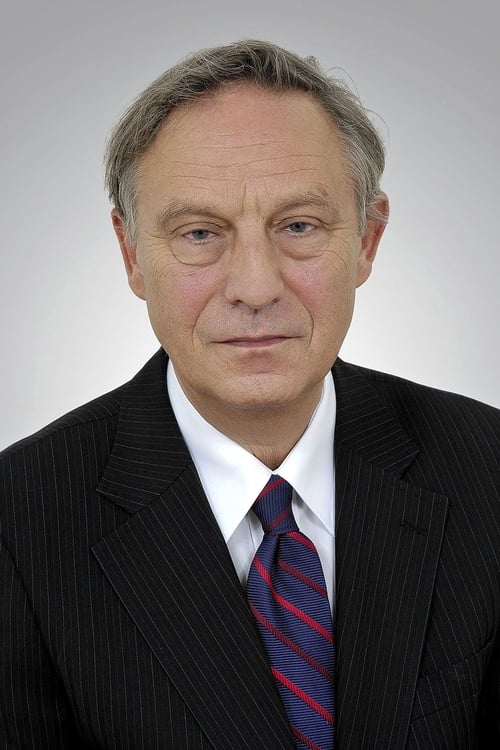
From Wikipedia, the free encyclopedia Krzysztof Piesiewicz (October 25, 1945 - May 14, 2026) was a Polish lawyer, screenwriter, and politician, who was a member of the Polish Parliament and head of the Ruch Społeczny (RS) or Social Movement Party. Piesiewicz studied law at Warsaw University and began practicing in 1973. Through the late 1970s he became increasingly involved in political cases, defending opponents of the Communist regime, serving as a legal advisor for Solidarity, and assisting in the successful prosecution of the murderers of Jerzy Popiełuszko. In 1982 he met the film director Krzysztof Kieślowski, who was planning to direct a documentary on political show trials in Poland under martial law. Piesiewicz agreed to help, though he doubted whether an accurate film could be made within the constraints of the judicial system; indeed, the filmmakers found that their presence in court seemed to be affecting the outcomes of cases, often improving the prospects of the accused, but making it hard to capture judicial abuses. Kieślowski decided to explore the issue through fiction instead, and the two collaborated for the first time as writers on the feature film No End, released in 1984. Piesewicz returned to his law career, but remained in touch with Kieślowski and three years later persuaded him to create a series of films based on the Ten Commandments. This series, The Decalogue, explored the filmmakers' mutual interest in moral and ethical dilemmas in contemporary social and political life, and achieved (belated) critical acclaim around the world. Their later collaborations, The Double Life of Véronique and Three Colors (Blue, White, Red), focused on metaphysical questions of personal choice and appeared relatively apolitical, though the latter series was based on Piesiewicz's idea of dramatizing the French political ideals of liberty, equality, and fraternity in the same way they had previously dramatized the Ten Commandments. Piesiewicz was credited as co-writer on all of Kieślowski's projects after No End, the last of which was Nadzieja, directed by Stanislaw Mucha after Kieślowski's death. He has begun writing a new series of films, The Stigmatised; the first of these, Silence, was directed by Michał Rosa and released in 2002. Piesiewicz's career in electoral politics began in 1989, when he began working in the Social Movement for Solidarity Electoral Action (RS AWS) party, originally the political wing of the Solidarity union and the leading party in the center-right AWS coalition. In 1991 he was elected to the Polish Senate, served for two years, then returned in 1997. In 2002, RS AWS changed its name to RS and elected Piesiewicz as its leader. He was a Roman Catholic.
克日什托夫·皮耶谢维奇(波兰语发音:[ˈkʂɨʂtɔf pjɛˈɕɛvit͡ʂ];1945年10月25日出生于波兰华沙)是波兰律师、编剧和政治家,目前是波兰议会议员和社会运动党(RS)的负责人。 Piesiewicz在华沙大学学习法律,并于1973年开始执业。在1970年代后期,他越来越多地参与政治案件,为共产党政权的反对者辩护,担任团结工会的法律顾问,并协助成功起诉杀害耶日·波皮耶乌什科的凶手。 1982年,他遇到了电影导演克日什托夫·基耶斯洛夫斯基(Krzysztof Kieślowski),后者正计划执导一部关于波兰戒严令下政治审判的纪录片。皮耶谢维奇同意提供帮助,尽管他怀疑在司法系统的限制下是否能拍出一部准确的电影;事实上,电影制片人发现,他们出庭似乎影响了案件的结果,往往改善了被告的前景,但很难捕捉到司法滥用行为。 基耶斯洛夫斯基决定通过小说来探索这个问题,两人首次合作担任 1984 年上映的故事片《没有尽头》的编剧。 皮耶塞维奇回到了他的法律生涯,但仍然与基耶斯洛夫斯基保持联系,三年后说服他根据十诫创作了一系列电影。这部名为《十诫》的剧集探讨了电影制作人对当代社会和政治生活中道德和伦理困境的共同兴趣,并在世界范围内获得了(迟来的)评论界赞誉。 他们后来的合作作品《韦罗妮克的双重生活》和《三种颜色(蓝、白、红)》侧重于个人选择的形而上学问题,看起来相对非政治化,尽管后者是基于皮耶谢维奇的想法,即戏剧化法国自由、平等和博爱的政治理想,就像他们之前戏剧化十诫一样。 在《无尽》之后,皮耶谢维奇被认为是基耶斯洛夫斯基所有项目的联合编剧,其中最后一个项目是基耶斯洛夫斯基去世后由斯坦尼斯瓦夫·穆夏执导的《纳齐耶》。他已经开始编写一系列新的电影,《污名化》;其中第一部《沉默》由米哈乌·罗莎执导,于 2002 年上映。 Piesiewicz 的选举政治生涯始于 1989 年,当时他开始在团结选举行动社会运动 (RS AWS) 党工作,该党最初是团结工会的政治派别,也是中右翼 AWS 联盟的主要政党。1991年,他当选为波兰参议院议员,任职两年,1997年返回。2002 年,RS AWS 更名为 RS,并选举 Piesiewicz 为其领导人。 他是罗马天主教徒。
剋日什託夫·皮耶謝維奇(波蘭語發音:[ˈkʂɨʂtɔf pjɛˈɕɛvit͡ʂ]; 1945 年 10 月 25 日出生於波蘭華沙)是波蘭律師、編劇和政治家,目前是波蘭議會議員和社會運動黨(RS)的負責人。 Piesiewicz 在華沙大學學習法律,並於 1973 年開始執業。在 1970 年代後期,他越來越多地參與政治案件,為共產黨政權的反對者辯護,擔任團結工會的法律顧問,並協助成功起訴殺害耶日·波皮耶烏什科的兇手。 1982 年,他遇到了電影導演剋日什託夫·基耶斯洛夫斯基(Krzysztof Kieślowski),後者正計劃執導一部關於波蘭戒嚴令下政治審判的紀錄片。皮耶謝維奇同意提供幫助,盡管他懷疑在司法系統的限制下是否能拍出一部準確的電影; 事實上,電影製片人發現,他們出庭似乎影響了案件的結果,往往改善了被告的前景,但很難捕捉到司法濫用行為。 基耶斯洛夫斯基決定透過 透過 通過小説來探索這個問題,兩人首次合作擔任 1984 年上映的故事片《沒有盡頭》的編劇。 皮耶塞維奇回到了他的法律生涯,但仍然與基耶斯洛夫斯基保持聯繫,三年後説服他根據十誡創作了一系列電影。這部名為《十誡》的劇集探討了電影製作人對當代社會和政治生活中道德和倫理困境的共同興趣,並在世界範圍內獲得了(遲來的)評論界贊譽。 他們後來的合作作品《韋羅妮克的雙重生活》和《三種顏色(藍、白、紅)》側重於個人選擇的形而上學問題,看起來相對非政治化,盡管後者是基於皮耶謝維奇的想法,即戲劇化法國自由、平等和博愛的政治理想,就像他們之前戲劇化十誡一樣。 在《無盡》之後,皮耶謝維奇被認為是基耶斯洛夫斯基所有項目的聯合編劇,其中最後一個項目是基耶斯洛夫斯基去世後由斯坦尼斯瓦夫·穆夏執導的《納齊耶》。他已經開始編寫一系列新的電影,《汙名化》; 其中第一部《沉默》由米哈烏·羅莎執導,於 2002 年上映。 Piesiewicz 的選舉政治生涯始於 1989 年,當時他開始在團結選舉行動社會運動 (RS AWS) 黨工作,該黨最初是團結工會的政治派別,也是中右翼 AWS 聯盟的主要政黨。1991 年,他當選為波蘭參議院議員,任職兩年,1997 年返回。2002 年,RS AWS 更名為 RS,並選舉 Piesiewicz 為其領導人。 他是羅馬天主教徒。
Crew (5)



Writing (16)