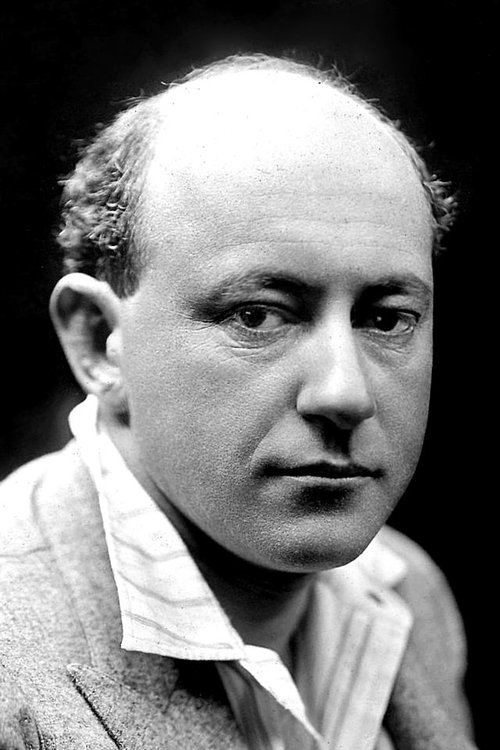
Cecil B. DeMille
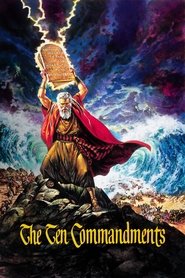
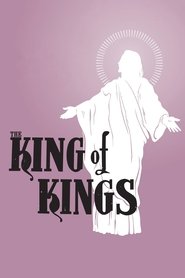
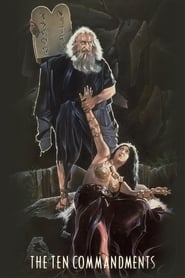
Cecil Blount DeMille (August 12, 1881 – January 21, 1959) was an American filmmaker, known as a founder of the Hollywood motion-picture industry, one of the most commercially successful producer-directors of his time, and one of the most influential filmmakers in history. Between 1914 and 1956, he made seventy feature films; all but seven were profitable. Cecil B. DeMille is synonymous with religious epics: The King of Kings, Samson and Delilah, and The Ten Commandments (1956). He blended spectacle, sex, and spellbinding narrative to convey a message of faith. It was DeMille who created the image of the omnipotent director, megaphone in hand, wearing boots and a visored cap. DeMille gave Hollywood numerous stars: Wallace Reid, Gloria Swanson, William (“Hopalong Cassidy”) Boyd, Claudette Colbert, Robert Preston, Jean Arthur, and Charlton Heston. DeMille created the posts of studio story editor, art director, and concept artist. He was one of the first to use theatrical lighting on a movie set. In the late 1920s, when Hollywood converted to sound films, DeMille defied the sound experts, liberating the camera from a confining booth, and implementing the microphone boom. DeMille’s authority extended beyond the confines of his studio. He was a power in aviation, banking, politics, and real estate. In the 1930s, his fame as a filmmaker was surpassed by his fame as a radio star. He was a founder of the Academy of Motion Picture Arts and Sciences, an institution from which he eventually won two awards. In 1953 his film The Greatest Show on Earth won the Award for Best Picture of 1952; and he was presented with the Irving G. Thalberg Memorial Award. DeMille’s influence on world culture is incalculable, but there are estimates and milestones. His biography of Jesus Christ, The King of Kings, was a silent film, but because of a unique distribution arrangement, it was eventually seen by 800 million viewers. Samson and Delilah (1949) and The Ten Commandments (1956) are still listed with the top ten all-time box-office champions. They continue to generate revenue and provoke thought.
Cecil B. DeMille (Ashfield, Massachusetts, 12 d'agost de 1881 - Hollywood, Califòrnia, 21 de gener de 1959), de nom complet Cecil Blount DeMille, fou un dels directors de cinema de més èxit durant la primera meitat del segle XX. Va ser durant 20 anys actor i manager de la companyia de la seva mare. El 1913, cansat del teatre, al costat de Jesse L. Lasky i Sam Goldwyn, van fundar la Jesse L. Lasky Feature Play Company (que anys més tard esdevindria la Paramount). Va produir i va dirigir 70 pel·lícules i va estar molt lligat a moltes més. Els premis Globus d'Or reconeixen cada any una trajectòria cinematogràfica amb el premi honorífic Cecil B. DeMille. Va estar casat amb l'actriu Julia Faye. Era germà de William C. deMille.
Cecil Blount DeMille war ein US-amerikanischer Filmemacher und Schauspieler. Zwischen 1914 und 1958 drehte er 70 Stumm- und Tonfilme. Er gilt als einer der Gründerväter des amerikanischen Kinos und als der kommerziell erfolgreichste Produzent und Regisseur der Filmgeschichte. Viele seiner Filme dominierten die Kinokassen mit jeweils drei oder vier Filmen gleichzeitig. Seine Filme zeichneten sich durch ihren epischen Umfang und seine filmische Bühnenpräsenz aus.
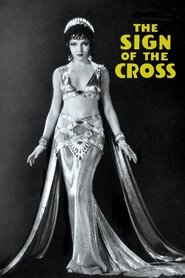
Cecil Blount DeMille, plus couramment appelé Cecil B. DeMille, est un réalisateur et producteur américain, né le 12 août 1881 à Ashfield dans le Massachusetts et mort le 21 janvier 1959 à Los Angeles en Californie. D'abord acteur dans les années 1900, il fonde avec Jesse L. Lasky et Samuel Goldwyn une société de production cinématographique, l'ancêtre de la Paramount, et réalise en 1914 le premier long-métrage tourné à Hollywood, *Le Mari de l'Indienne*. Grâce à ses nombreuses comédies vaudevillesques avec la star d'alors Gloria Swanson, il devint l'un des réalisateurs les plus importants du cinéma muet dans les années 1920. Il se spécialise ensuite dans les films d'aventures et historiques, tels que *Le Signe de la Croix*, *Les Croisades*, *Les Tuniques écarlates*, son premier film en Technicolor, *Les Naufrageurs des mers du sud*, *Les Conquérants d'un nouveau monde*, *Sous le plus grand chapiteau du monde* ou *Les Dix Commandements*. Pionnier de son art et producteur indépendant, Cecil B. DeMille est l'un des rares metteurs en scène à bénéficier d'une totale liberté artistique tout au long de sa carrière et l'un des premiers à envisager le cinéma comme un divertissement pour le grand public. Grand directeur de foules, il sait imposer un style propre et reconnaissable. Républicain, fervent garant des valeurs morales de l'Amérique puritaine, il transgresse pourtant les règles de moralité imposées au cinéma par le code Hays dans plusieurs de ses films, contenant des scènes de sensualité exacerbée comme *Le Signe de la croix* ou de métaphores à caractère érotique telles qu'on peut les voir dans *Cléopâtre*. Si son nom reste aujourd'hui associé excessivement à l'idée de démesure et de gigantisme au cinéma, apparaissant comme le représentant archétypal du film biblique, alors qu'il n'en tourne pourtant que quatre dans sa carrière, Cecil B. DeMille n'en est pas moins l'un des réalisateurs les plus importants de l'âge d'or du cinéma américain. À l'instar de David W. Griffith ou Charles Chaplin, sa carrière a été décisive et son influence importante sur ses contemporains et les générations de cinéastes suivantes.
Cecil Blount DeMille, mais conhecido como Cecil B. DeMille (Ashfield, 12 de agosto de 1881 - Los Angeles, 21 de janeiro de 1959) foi um cineasta americano, um dos 36 fundadores da Academia de Artes e Ciências Cinematográficas. Nascido em uma família ligada à arte, seu pai foi um professor, ator e dramaturgo, enquanto sua mãe, também uma professora, ensinava inglês na Brooklyn Academy Lockwood. Cecil decidiu estudar Artes Dramáticas em Nova York, onde a família se mudou depois de Cecil passar pela Escola Militar da Pensilvânia e ser rejeitado como um soldado para lutar na guerra contra a Espanha. Em 1900, ele conseguiu fazer alguns shows da Broadway atuando pela companhia teatral de Mary Pickford, com a ajuda de diretor de teatro David Belasco, amigo seu pai. Neste período ele se casou com a atriz Constance Adams, e dedicou-se a produzir e dirigir algumas obras teatrais, além de trabalhar com seu irmão William, o que o ajudou a conseguir suficiente experiência no teatro (encenação, direção de atores e show business em geral).
塞西尔·布朗特·德米尔(1881年8月12日—1959年1月21日)是美国电影制片人,被誉为好莱坞电影工业的奠基人之一。他是商业上最成功的制片人兼导演之一,也是电影史上最具影响力的电影人之一。1914年至1956年间,他制作了70部故事片,其中63部都实现了盈利。塞西尔·B·德米尔的名字几乎成了宗教史诗的代名词,如《万王之王》、《参孙与达丽拉》和《十诫》(1956年)。他将宏大场面、情色元素和引人入胜的叙事手法巧妙结合,传递出信仰的主题。 德米尔塑造了全能导演的形象:手执扩音器,脚蹬皮靴,头戴遮阳帽。他为好莱坞培养了许多明星:华莱士·里德、格洛丽亚·斯旺森、威廉·博伊德、克劳黛·考尔白、罗伯特·普雷斯顿、琪恩·亚瑟和查尔顿·赫斯顿。 德米尔首创了电影公司的故事编辑、艺术指导和概念艺术师等职位。他是最早在电影拍摄中使用舞台灯光的人之一。20世纪20年代末,当好莱坞开始向有声电影转型时,德米尔大胆挑战音响专家的权威,将摄像机从隔音棚中解放出来,并率先使用了麦克风吊杆。 德米尔的影响力远远超出了他的电影制片厂。他在航空、银行、政治和房地产领域都拥有举足轻重的地位。20世纪30年代,他作为广播明星的名声甚至超过了他作为电影制片人的声誉。 他是美国电影艺术与科学学院的创始人之一,并最终从该学院获得了两项大奖。1953年,他的电影《戏王之王》获得了1952年奥斯卡最佳影片奖;他还被授予了欧文·G·托尔伯格纪念奖。 德米尔对世界文化的影响无法估量,但我们可以通过一些数据和里程碑来窥见一斑。他拍摄的关于耶稣基督生平的无声电影《万王之王》,由于独特的发行安排,最终有8亿观众观看过。《参孙与达丽拉》(1949年)和《十诫》(1956年)至今仍位列史上票房前十名。这些电影不仅持续创造着收益,也引发着人们的思考。
施素·德美(Cecil B.DeMille,1881 年 8 月 12 號 — 1959 年 1 月 21 號)是美國電影制片人,被譽為荷里活電影工業的奠基人之一。他是商業上最成功的製片人兼導演之一,也是電影史上最具影響力的電影人之一。1914 年至 1956 年間,他製作了七十部故事片,其中六十三部都實現了盈利。施素·德美的名字幾乎成了宗教史詩的代名詞,如《萬王之王》(The King of Kings)(1927 年)、《霸王妖姬》(Samson and Delilah)(1949 年)和《十誡》(The Ten Commandments)(1956 年)。他將宏大場面、情色元素和引人入勝的敘事手法巧妙結合,傳遞出信仰的主題。 德美塑造了全能導演的形象:手執擴音器,腳蹬皮靴,頭戴遮陽帽。他為荷里活培養了許多明星:歌利亞史允臣(Gloria Swanson)、威林·杯(William Boyd)、歌洛迪文·高露拔(Claudette Colbert)、羅拔·披士頓(Robert Preston)和查爾登·希士頓(Charlton Heston)。 德美首創了電影公司的故事編輯、藝術指導和概念藝術師等職位。他是最早在電影拍攝中使用舞台燈光的人之一。20 世紀 20 年代末,當荷里活開始向有聲電影轉型時,德美大膽挑戰音響專家的權威,將攝像機從隔音棚中解放出來,並率先使用了麥克風吊桿。 德美的影響力遠遠超出了他的電影製片廠。他在航空、銀行、政治和房地產領域都擁有舉足輕重的地位。20 世紀 30 年代,他作為廣播明星的名聲甚至超過了他作為電影制片人的聲譽。 他是美國電影藝術與科學學院的創始人之一,並最終從該學院獲得了兩項大獎。1953 年,他的電影《戲王之王》(The Greatest Show on Earth)獲得了 1952 年奧斯卡最佳影片獎;他還被授予了 Irving G.Thalberg 紀念獎。 德美對世界文化的影響無法估量,但我們可以通過一些數據和里程碑來窺見一斑。他拍攝的關於耶穌基督生平的無聲電影《萬王之王》(The King of Kings)(1927 年),由於獨特的發行安排,最終有八億觀眾觀看過。《霸王妖姬》(Samson and Delilah)(1949 年)和《十誡》(The Ten Commandments)(1956 年)至今仍位列史上票房前十名。這些電影不僅持續創造着收益,也引發着人們的思考。
Directing (20)








Acting (20)





Crew (22)