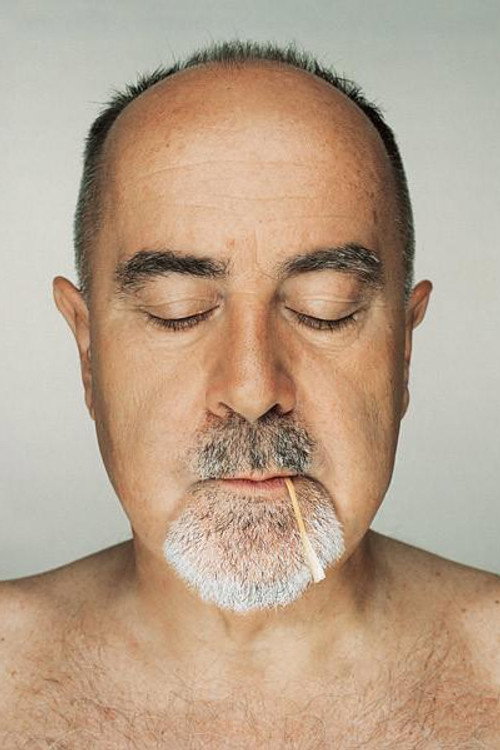
Bigas Luna
Bigas Luna was a Spanish film director. He began his professional career in the design world, creating the 'Estudio Gris' with Carlos Riart in 1969. In his earlier exhibitions, at the beginning of the sixties, he showed a great interest in conceptual art and the emerging visual technologies. Esteemed as an atypical director in the Spanish cinema, in 1986 he retired to Tarragona in order to devote his time to painting. In 1990 the producer Andrés Vicente Gómez persuaded him to return to cinema and entrusted to him the direction of 'Las edades de Lulú', a film which reached the general public. Without abandoning his dedication to painting and photography, reflected in numerous exhibitions, he began the well-known 'Trilogía Ibérica' with 'Jamón Jamón', 'Huevos de Oro' and 'La teta y la luna'. Subsequently, with the short film for internet 'Collar de Moscas' (2001), he revived his interest in avant-garde experimentation and audiovisual formats and at the same time he discovered a vocation for the investigation of digital cinema after the creation of the 'Taller Bigas Luna' project with Catalina Pons in 1999. The experience in the Taller introduced them to the world of new technologies and in 2002 they promoted PLATAFORM BL, dedicated to the creation and promotion of innovative projects and new talents. Despite being catalan, he is a lover of the aragonese culture. He re-designed an old folkloric cabaret café 'El Plata' in Zaragoza.
José Juan Bigas Luna war ein spanischer Filmregisseur, Designer und Künstler. 1976 drehte er seinen ersten Spielfilm „Tattoo“ und erlangte 1978 mit dem sexuell expliziten Film „Bilbao“, der für die Filmfestspiele von Cannes ausgewählt wurde, Bekanntheit. Seine Filme zeichnen sich typischerweise durch eine starke Betonung des Erotischen aus, oft in Verbindung mit Essen – ein Thema, für das er eine große Leidenschaft hegte. Sein Werk erforscht und parodiert häufig Klischees der spanischen Identität. Er hatte eine internationale Karriere und drehte Filme in Spanisch, Katalanisch, Italienisch, Französisch und Englisch.
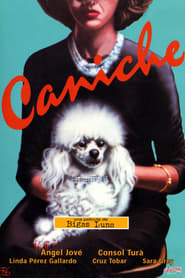
Director de cine y diseñador español natural de Barcelona, ciudad en la que trabajó en el mundo del diseño y la publicidad hasta realizar Tatuaje (1976). Promocionado internacionalmente como continuador de Almodóvar, por su costumbrismo cuasi surrealista y su deliberado interés por la convivencia de “ordenadores y jamones en un país maravilloso del Sur”, su mundo fílmico es más brutal y más morboso, como puede apreciarse en Las edades de Lulú (1990), Jamón, jamón (1992) y Huevos de oro (1993), sus producciones más comerciales. Aún se hace más patente en Bilbao (1978) o Caniche (1979), previas a su lanzamiento. Otras realizaciones como La teta y la luna (1994) o Bámbola (1996) resultan más abiertamente eróticas y esperpénticas. En 1999 rodó Volaverunt, sobre la vida del pintor aragonés Francisco de Goya, interpretada en su papel principal por el actor cubano Jorge Perugorría. Su última película fue Di Di Hollywood (2010).
比格斯·卢纳是西班牙电影导演。他最初在设计领域开启职业生涯,于1969年与卡洛斯·里亚特共同创立了"灰色工作室"。早在六十年代初的早期展览中,他就展现出对概念艺术与新兴视觉技术的浓厚兴趣。作为西班牙电影界特立独行的导演,他于1986年隐退至塔拉戈纳潜心绘画。1990年,制片人安德烈斯·文森特·戈麦斯说服他重返影坛,并委以其执导电影《璐璐的岁月》,该作品最终赢得了大众市场的认可。 在持续投身绘画与摄影创作(其作品见于众多展览)的同时,他开启了著名的"伊比利亚三部曲"系列,相继推出《火腿火腿》《金蛋》《月亮乳房》三部电影。此后,凭借2001年为互联网创作的短片《蝇之链》,他重燃对先锋实验与视听形式的探索热情,同时在与卡塔利娜·庞斯于1999年共同创立"比格斯·卢纳工坊"后,发掘出对数字电影研究的志趣。工坊经历引领他们踏入新技术领域,2002年两人推动成立了PLATAFORM BL平台,专注于创新项目与新锐人才的培育推广。 尽管身为加泰罗尼亚人,他始终深爱阿拉贡文化,曾亲自重新设计萨拉戈萨具有民俗特色的老式卡巴莱咖啡馆"埃尔普拉塔"。
比格斯·盧納是西班牙電影導演。他最初在設計領域開啓職業生涯,於 1969 年與卡洛斯·里亞特共同創立了"灰色工作室"。早在六十年代初的早期展覽中,他就展現出對概念藝術與新興視覺技術的濃厚興趣。作為西班牙電影界特立獨行的導演,他於 1986 年隱退至塔拉戈納潛心繪畫。1990 年,制片人安德烈斯·文森特·戈麥斯説服他重返影壇,並委以其執導電影《璐璐的歲月》,該作品最終贏得了大眾市場的認可。 在持續投身繪畫與攝影創作(其作品見於眾多展覽)的同時,他開啓了著名的"伊比利亞三部曲"系列,相繼推出《火腿火腿》《金蛋》《月亮乳房》三部電影。此後,憑借 2001 年為互聯網創作的短片《蠅之鏈》,他重燃對先鋒實驗與視聽形式的探索熱情,同時在與卡塔利娜·龐斯於 1999 年共同創立"比格斯·盧納工坊"後,發掘出對數字電影研究的志趣。工坊經歷引領他們踏入新技術領域,2002 年兩人推動成立了 PLATAFORM BL 平台,專注於創新項目與新鋭人才的培育推廣。 盡管身為加泰羅尼亞人,他始終深愛阿拉貢文化,曾親自重新設計薩拉戈薩具有民俗特色的老式卡巴萊咖啡館"埃爾普拉塔"。
Directing (18)








Crew (2)

Acting (3)

Writing (18)
