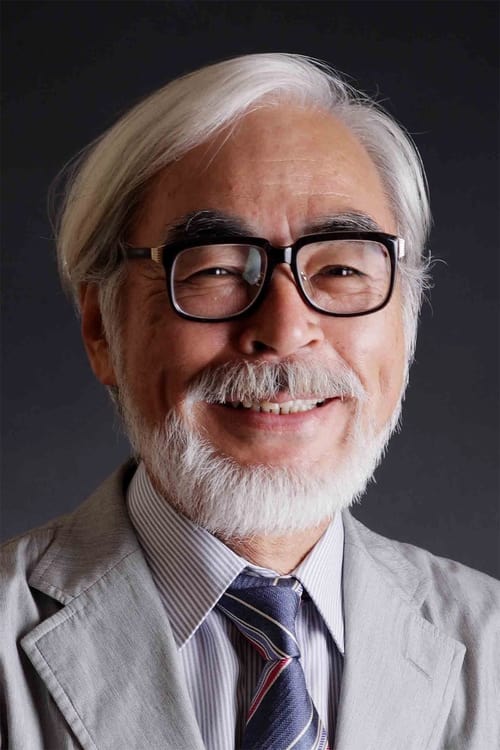
Hayao Miyazaki
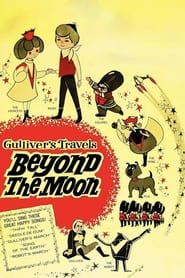
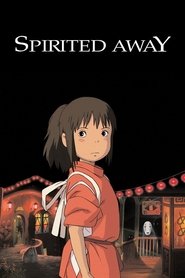
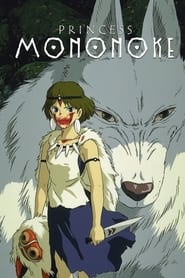
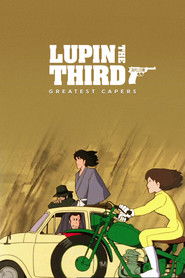
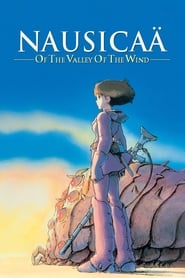
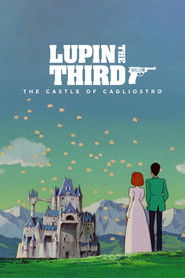
Hayao Miyazaki (Miyazaki Hayao, born January 5, 1941) is a Japanese manga artist and prominent film director and animator of many popular anime feature films. Through a career that has spanned nearly five decades, Miyazaki has attained international acclaim as a maker of animated feature films and, along with Isao Takahata, co-founded Studio Ghibli, an animation studio and production company. The success of Miyazaki's films has invited comparisons with American animator Walt Disney, British animator Nick Park as well as Robert Zemeckis, who pioneered Motion Capture animation, and he has been named one of the most influential people by Time Magazine. Miyazaki began his career at Toei Animation as an in-between artist for Gulliver's Travels Beyond the Moon where he pitched his own ideas that eventually became the movie's ending. He continued to work in various roles in the animation industry over the decade until he was able to direct his first feature film Lupin III: The Castle of Cagliostro which was published in 1979. After the success of his next film, Nausicaä of the Valley of the Wind, he co-founded Studio Ghibli where he continued to produce many feature films until Princess Mononoke whereafter he temporarily retired. While Miyazaki's films have long enjoyed both commercial and critical success in Japan, he remained largely unknown to the West until Miramax released his 1997 film, Princess Mononoke. Princess Mononoke was the highest-grossing film in Japan—until it was eclipsed by another 1997 film, Titanic—and the first animated film to win Picture of the Year at the Japanese Academy Awards. Miyazaki returned to animation with Spirited Away. The film topped Titanic's sales at the Japanese box office, also won Picture of the Year at the Japanese Academy Awards and was the first anime film to win an American Academy Award. Miyazaki's films often incorporate recurrent themes, such as humanity's relationship to nature and technology, and the difficulty of maintaining a pacifist ethic. Reflecting Miyazaki's feminism, the protagonists of his films are often strong, independent girls or young women. Miyazaki is a vocal critic of capitalism and globalization. While two of his films, The Castle of Cagliostro and Castle in the Sky, involve traditional villains, his other films such as Nausicaa or Princess Mononoke present morally ambiguous antagonists with redeeming qualities.
مخرج ورسام الرسوم المتحركة اليابانية, لاقت أعماله أصدءاً عالمية أكثر من أي مخرج انمي آخر خاصة بعد تعاونه مع شركة والت ديزني في أعماله الأخيرة.بدأ العمل عام 1961 في إستوديو توي دوقا (Toei Douga), ثم انتقل إلى عدة استوديوهات أخرى إلى أن بدأ مزاولة الإخراج في أول مسلسل كرتوني له عدنان ولينا عام 1978.عمل شركة خاصة به اسمها إستديو جيبلي. من أعماله (فيلم Ponyo[2008] فيلم Spirited Away[2001]).
Hayao Miyazaki (Miyazaki Hayao, nacido el 5 de enero de 1941) es un dibujante de manga japonés y un destacado director de cine y animador de muchos largometrajes de anime populares. A lo largo de una carrera de casi cinco décadas, Miyazaki ha alcanzado la fama internacional como realizador de largometrajes de animación y, junto con Isao Takahata, cofundó Studio Ghibli, un estudio de animación y una productora. El éxito de las películas de Miyazaki ha hecho que se le compare con el animador estadounidense Walt Disney, el británico Nick Park y Robert Zemeckis, pionero de la animación por captura de movimiento, y ha sido nombrado una de las personas más influyentes por la revista Time. Miyazaki comenzó su carrera en Toei Animation como artista intermedio en El viaje espacial de Gulliver (1965), en la cual propuso ideas que quedaron plasmadas en el final de la película. Siguió trabajando en varios puestos en la industria de la animación durante la década hasta que pudo dirigir su primer largometraje Lupin III: El castillo de Cagliostro, que se publicó en 1979. Tras el éxito de su siguiente película, Nausicaä del Valle del Viento (1984), cofundó el Studio Ghibli, donde continuó produciendo muchos largometrajes hasta La princesa Mononoke, cuando se retiró temporalmente. Aunque las películas de Miyazaki fueron durante mucho tiempo un éxito comercial y de crítica en Japón, en Occidente seguía siendo un gran desconocido hasta que Miramax estrenó su película La princesa Mononoke en 1997. La princesa Mononoke fue la película más taquillera en Japón (hasta que fue eclipsada por Titanic, de ese mismo año) y la primera película de animación que ganó el premio a la película del año en los premios de la Academia japonesa. Miyazaki volvió a la animación con El viaje de Chihiro (2001). Esta película superó las ventas de Titanic en la taquilla japonesa, ganó el premio a la mejor película del año en los premios de la Academia japonesa y fue la primera película de anime en ganar un premio de la Academia estadounidense. Las películas de Miyazaki suelen plantear temas recurrentes, como la relación de la humanidad con la naturaleza y la tecnología, o la dificultad de mantener una ética pacifista. Como reflejo del feminismo de Miyazaki, las protagonistas de sus películas suelen ser chicas fuertes e independientes o mujeres jóvenes. Miyazaki es un crítico declarado del capitalismo y la globalización. Mientras que dos de sus películas, El castillo de Cagliostro y El castillo en el cielo, incluyen villanos tradicionales, sus otras películas, como Nausicaa o La princesa Mononoke, presentan antagonistas moralmente ambiguos con cualidades redentoras.
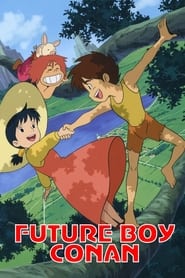
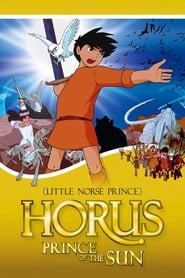
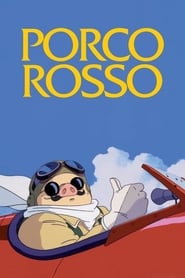
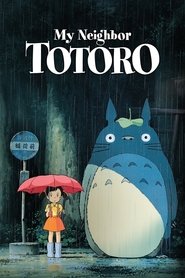
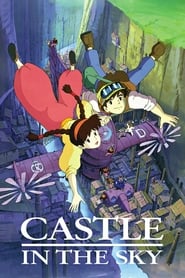
Inconditionnel de bandes dessinées, il trouve très tôt sa vocation. A l'université de Tokyo, il suit des cours d'économie mais ne renonce pas pour autant à son rêve. Il profite du temps libre que lui laisse ses études pour parfaire son coup de crayon et perfectionner une technique qui ne tarde pas le faire remarquer du studio d'animation Tôei, la référence nippone en la matière à l'époque. Il y entre en tant qu'intervalliste en 1963. Il y fait la connaissance de Yasuo Otsuka et Isao Takahata, deux personnalités importantes de l'animation. Les trois hommes travaillent ensemble au premier long métrage de Takahata, Les Aventures de Hols, prince du soleil (1968). Mais la politique du studio entre rapidement en contradiction avec les ambitions de Takahata, qui invite Miyazaki à le rejoindre dès 1969 chez A Production, le concurrent direct de Tôei. Au sein de cette structure, ils signent quelques courts métrages. Pour le compte d'un autre studio, la Société Nippon Animation, ils développent un projet d'envergure, Heidi (1974), l'un des premiers feuilletons animés. En 1978, Miyazaki s'attelle, avec l'aide d'Otsuka, à sa première réalisation, la série télévisée d'animation Conan, le fils du futur, unanimement salué comme une réussite du genre. A la faveur d'un nouveau changement de studio, Miyazaki réalise son premier long métrage, Le Chateau de Cagliostro (1979). Après quelques projets inaboutis, Miyazaki décide de se consacrer à la bande dessinée et élabore l'épopée à épisodes Nausicaä de la vallée du vent. C'est par ce biais que le cinéaste revient en force dans le monde de l'animation. Il porte à l'écran sa propre bande dessinée et fait l'unanimité avec Nausicaä de la vallée du vent en 1984. Le succès du film est tel qu'il permet à Takahata et Miyazaki de fonder leurs propres studios. Ghibli est né. Entièrement dévolus à l'animation de qualité, les studios Ghibli conjuguent exigence et succès public. Les deux associés enchaînent alors les projets, notamment Laputa, le château dans le ciel (d'après Les Voyages de Gulliver) en 1986, le réaliste et nostalgique Mon voisin Totoro (Miyazaki y évoque ses souvenirs et décrit le Japon de l'après-guerre) en 1988, ou encore la fable porcine Porco Rosso (1992). En 1997, le réalisateur s'attaque à Princesse Mononoké, une fable épique où il reconnaît les influences conjuguées de Akira Kurosawa (La Forteresse cachée) et de Kenji Mizoguchi (Les Contes de la lune vague après la pluie). Alors qu'il avait menacé de mettre un terme à sa carrière, il poursuit finalement sur sa lancée et réalise Le Voyage de Chihiro. Le film lui vaut cette fois une véritable reconnaissance internationale puisqu'il remporte l'Oscar du meilleur film d'animation ainsi que l'Ours d'Or au Festival de Berlin en 2002. Parallèlement Miyazaki inaugure un musée à la gloire de l'animation : le musée Ghibli à Mitaka, au Japon. Il ne délaisse pas les planches à dessin pour autant et s'attelle à la réalisation du Le Château ambulant, inspiré d'un roman de Diana Wynne Jones. Il opère ensuite un virage dans sa carrière avec son Ponyo sur la falaise. Avant tout destiné aux enfants, le film se distingue grâce à une animation plus simple et des dessins aux couleurs pastelles. Des partis pris qui ne l'empêchent pas de réunir une nouvelle fois plus de dix millions de spectateurs au Japon.
Hayao Miyazaki (Miyazaki Hayao, nato il 5 gennaio 1941) è un artista manga giapponese e un importante regista e animatore di molti famosi film di anime. Attraverso una carriera che dura da quasi cinque decenni, Miyazaki ha ottenuto riconoscimenti internazionali come produttore di lungometraggi animati e, insieme a Isao Takahata, ha co-fondato Studio Ghibli, uno studio di animazione e una società di produzione. Il successo dei film di Miyazaki ha invitato a confrontarsi con l'animatore americano Walt Disney, l'animatore britannico Nick Park e Robert Zemeckis, che ha aperto la strada all'animazione Motion Capture, ed è stato nominato una delle persone più influenti da Time Magazine.
宮崎 駿(みやざき はやお、1941年〈昭和16年〉1月5日 - )は、日本の映画監督・アニメーター・漫画家。別名として秋津 三朗(あきつ さぶろう)、照樹 務(てれこむ)がある。宮﨑 駿と表記されることもある。株式会社スタジオジブリ取締役、公益財団法人徳間記念アニメーション文化財団理事長、三鷹市立アニメーション美術館(三鷹の森ジブリ美術館)名誉館主(初代館主)。 東京府東京市出身。学習院大学政経学部卒業。1963年に東映動画にアニメーターとして入社。その後いくつかの会社を経てフリーとなり、その間にテレビアニメ『未来少年コナン』、初の劇場用アニメ『ルパン三世 カリオストロの城』で頭角を現した。1984年に個人事務所の二馬力を設立し、翌年に高畑勲らとアニメーション制作会社スタジオジブリの設立に参加(2005年に同社取締役に就任)。以後『となりのトトロ』『魔女の宅急便』『もののけ姫』などの劇場用アニメーションを監督し、『千と千尋の神隠し』でベルリン国際映画祭金熊賞とアカデミー長編アニメ映画賞を受賞した。2014年には日本人で2人目のアカデミー名誉賞を受賞した。埼玉県所沢市在住。
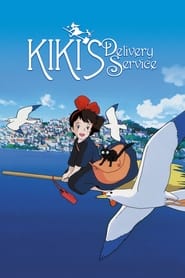
미야자키 하야오(일본어: 宮﨑 駿, みやざき はやお, 영어: Hayao Miyazaki, 1941년 1월 5일~)는 일본의 애니메이션 감독이자 애니메이터이다. 제2차 세계 대전 중인 1941년 1월 5일 도쿄도 분쿄 구에서 태어나 가쿠슈인 대학에 진학하여 경제학을 전공하였다. 대학 재학 중에 청소년 신문에 만화를 기고하였으며, 1963년 졸업 후 도에이 애니메이션(東映動画)에 입사하여 후일 동업자가 되는 타카하타 이사오(高畑 勲)와 함께 본격적인 애니메이션 제작에 들어갔다. 《미래소년 코난》(1978년)·《빨강머리 앤》(1979년)에 이어 세계 멸망과 부흥이라는 극적인 소재와 환경이란 주제를 다뤘던《바람 계곡의 나우시카》(1984년)로 크게 성공하였다. 또한, 《마녀 배달부 키키》와 《붉은 돼지》는 상영된 그해 일본 최고의 흥행성적을 기록하였고, 컴퓨터그래픽을 이용하여 만든 《모노노케 히메(もののけ姬)》(1997년)는 제작비 20억 엔을 투자하여 1400만 명 이상의 관객을 동원하였다. 1984년에 타카하타 이사오와 함께 스튜디오 지브리(Studio Ghibli)를 창단하고 이후 《천공의 성 라퓨타》(1986년)·《마녀 배달부 키키》(1986년)·《이웃집 토토로》(1988년)·《추억은 방울방울》(1991년)·《붉은 돼지》(1992년)·《귀를 기울이면》(1995년)·《모노노케 히메》(1997년) 등을 성공적으로 발표한다. 애니메이션으로서는 최초로 베를린 영화제의 금곰상을 수상한 《센과 치히로의 행방불명》(2001년)은 일본에서도 2천4백만 관객을 동원하는 일본영화 사상 최고의 흥행기록을 세웠다.[1] 이후 《하울의 움직이는 성》(2004)을 만들었고, 2006년에는 그의 아들 미야자키 고로가 《게드 전기》를 감독, 제작하였는데 이전의 지브리 작품들보다 미흡한 점이 있었으나 그림과 음악은 훌륭하다는 평가를 받았다.
Nascido em Tóquio, começou sua carreira em 1963 como animador no Studio Toei Douga, demonstrando grande habilidade como desenhista e criativo nas idéias que propunha aos autores. Em 1971, mudou junto com o amigo Isao Takahata para o Studio A Pro, e então juntos novamente para a Nippon Animation, em 1973. Mas só em 1978 teve a oportunidade de dirigir pela primeira vez, quando comandou The Boy in Future, um anime para a televisão. Logo depois mudou-se para a Tôkyô Movie Shinsha, em 1979, para dirigir o seu primeiro longa, O Castelo Cagliostro (1979).
Японский режиссёр-аниматор, продюсер, сценарист, писатель и мангака. Он родился в семье владельца авиационной фабрики, с детства увлёкся рисованием манги и анимацией. В 1964 году он познакомился с Исао Такахатой, совместно с которым впоследствии основал анимационную студию Studio Ghibli. На протяжении длительного времени они вместе работали над множеством художественных произведений. Хаяо Миядзаки — обладатель внеконкурсного почётного «Оскара» 2014 года со следующей формулировкой заслуг — «за оказание глубокого влияния на мировую анимацию, вдохновляя целое поколение художников работать в этой области и освещая её безграничный потенциал». Правильное написание его фамилии иероглифами 宮﨑, но из-за технических ограничений иероглиф 﨑 часто заменяется аналогичным 崎. Некоторые свои произведения Миядзаки выпускал под псевдонимами Сабуро Акицу (Акицу Сабуро) или Тэрэкому.
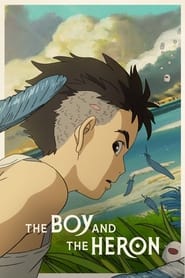
Hayao Miyazaki (född 5 januari 1941 i Tokyo) är en japansk animatör, regissör och serieskapare. Hans karriär spänner över sex årtionden och han anses vara den mest framgångsrike japanske filmregissören och den internationellt mest kände av de idag verksamma japanska filmskaparna. Sedan 1985 har hans filmer animerats av Studio Ghibli, och alla Miyazaki-filmer från och med Kikis expressbud (1989) har blivit årets största bioframgång på japanska biografer. Miyazakis största internationella filmframgång blev Spirited Away (2001), som bland annat 2003 vann Oscar som bästa animerade långfilm. Efter premiären på Det blåser upp en vind (2013) meddelande han i september 2013 sin pensionering som regissör och filmskapare, men han återkom tio år senare med Pojken och hägern (2023). I november 2014 fick han motta en heders-Oscar.
Si Hayao Miyazaki (ipinanganak noong Enero 5, 1941) ay isang Japanese manga artist at kilalang direktor ng pelikula at animator ng maraming sikat na tampok na pelikulang anime. Sa pamamagitan ng isang karera na umabot ng halos limang dekada, nakamit ni Miyazaki ang internasyonal na pagkilala bilang isang gumagawa ng mga animated na tampok na pelikula at, kasama si Isao Takahata, co-founder ng Studio Ghibli, isang kilalang animation studio.
Hayao Miyazaki (Miyazaki Hayao, 5 Ocak 1941 doğumlu), birçok popüler anime filminin önde gelen yönetmeni ve animatörü olan Japon manga sanatçısıdır. Yaklaşık beş on yıla yayılan kariyeri boyunca Miyazaki, animasyon filmlerinin yapımcısı olarak uluslararası alanda büyük beğeni toplamış ve Isao Takahata ile birlikte bir animasyon stüdyosu ve yapım şirketi olan Studio Ghibli'yi kurmuştur. Miyazaki'nin filmlerinin başarısı, onu Amerikalı animatör Walt Disney, İngiliz animatör Nick Park ve Hareket Yakalama animasyonunun öncüsü Robert Zemeckis ile karşılaştırmalara yol açmış ve Time Dergisi tarafından en etkili insanlardan biri olarak gösterilmiştir. Miyazaki kariyerine Toei Animation'da, Gulliver'in Ayın Ötesine Yolculukları filmi için ara çizim sanatçısı olarak başlamış ve sonunda filmin sonu haline gelen kendi fikirlerini ortaya atmıştır. On yıl boyunca animasyon sektöründe çeşitli rollerde çalışmaya devam etti ve 1979'da yayınlanan ilk uzun metrajlı filmi Lupin III: Cagliostro Şatosu'nu yönetmeyi başardı. Bir sonraki filmi Rüzgar Vadisi'nin Nausicaä'sının başarısının ardından, Ghibli Stüdyosu'nu kurdu ve Prenses Mononoke'ye kadar birçok uzun metrajlı film üretti, ardından geçici olarak emekli oldu. Miyazaki'nin filmleri Japonya'da uzun zamandır hem ticari hem de eleştirel başarı elde ederken, Miramax 1997 yapımı Prenses Mononoke filmini yayınlayana kadar Batı'da büyük ölçüde bilinmiyordu. Prenses Mononoke, Japonya'da en yüksek hasılat elde eden film oldu (ta ki 1997 yapımı bir başka film olan Titanic tarafından geçilene kadar) ve Japon Akademi Ödülleri'nde Yılın Filmi ödülünü kazanan ilk animasyon filmi oldu. Miyazaki, Ruhların Kaçışı ile animasyona geri döndü. Film, Japon gişesinde Titanic'in satışlarını geride bıraktı, Japon Akademi Ödülleri'nde Yılın Filmi ödülünü kazandı ve Amerikan Akademi Ödülü kazanan ilk anime filmi oldu. Miyazaki'nin filmleri genellikle insanlığın doğa ve teknolojiyle ilişkisi ve pasifist bir ahlakı sürdürmenin zorluğu gibi tekrar eden temaları içerir. Miyazaki'nin feminizmini yansıtan filmlerinin kahramanları genellikle güçlü, bağımsız kızlar veya genç kadınlardır. Miyazaki, kapitalizmin ve küreselleşmenin açık sözlü bir eleştirmenidir. Cagliostro Şatosu ve Gökteki Kale gibi iki filminde geleneksel kötü karakterler yer alırken, Nausicaa veya Prenses Mononoke gibi diğer filmlerinde kurtarıcı niteliklere sahip ahlaki açıdan belirsiz düşman karakterler sunar.
1922年,法国影评家埃利·福尔满含感情的预言:“终有一天动画片会具有纵深感,造型高超,色彩有层次……会有德拉克洛瓦的心灵、鲁本斯的魅力、戈雅的激情、米开朗基罗的活力。一种视觉交响乐,较之最伟大的音乐家创作的有声交响乐更为令人激动。”八十年后,世界动画界最接近埃利·福尔梦想的,首推宫崎骏。 宫崎骏可以说是日本动画界的一个传奇,可以说没有他的话日本的动画事业会大大的逊色。他是第一位将动画上升到人文高度的思想者,同时也是日本三代动画家中,承前启后的精神支柱人物。宫崎骏在打破手冢治虫巨人阴影的同时,用自己坚毅的性格和永不妥协的奋斗又为后代动画家做出了榜样。 宫崎骏的动画片是能够和迪斯尼、梦工厂共分天下的一支重要的东方力量。宫崎骏的每部作品,题材虽然不同,但却将梦想、环保、人生、生存这些令人反思的讯息,融合其中。他这份执著,不单令全球人产生共鸣,更受到全世界所重视,连美国动画王国迪斯尼,都要斟介宫崎骏的动画电影发行版权(亚洲地区除外)。
Directing (30)
Acting (32)













Writing (43)






Crew (53)